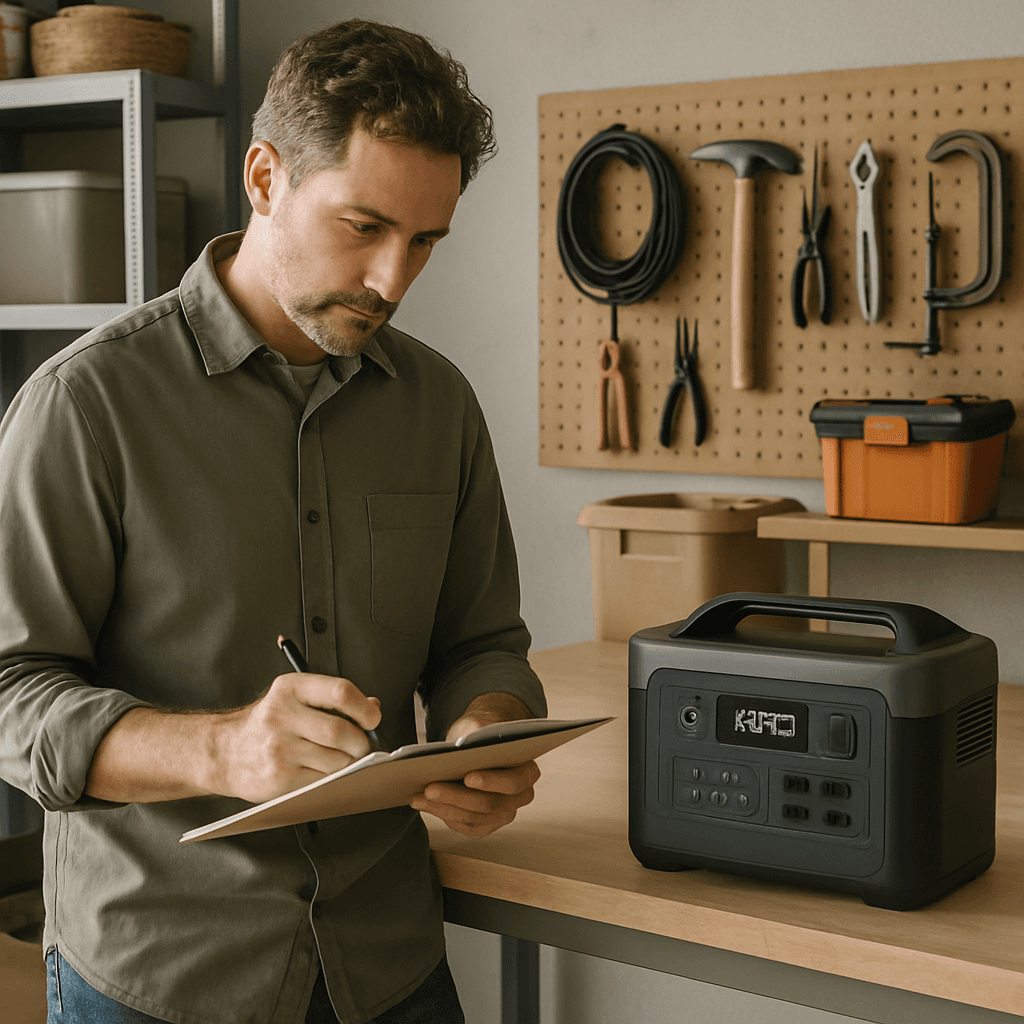
If you're a new homeowner and this is your first time thinking seriously about backup power, it's easy to either overspend on more system than you need or underprepare entirely. Here's a straightforward checklist to get it right the first time.
Step 1: Learn Your Home's Specific Outage Risk
Your region determines your priority — check whether your area is prone to hurricanes (see our hurricane preparedness checklist), winter storms (see our winter storm guide), wildfire-related PSPS shutoffs (see our California wildfire guide), or general grid reliability concerns for your utility specifically (see our power outage statistics by state).
Step 2: Identify Your Must-Have Devices
Make a simple list: what absolutely needs power during an outage? Common answers include a fridge, any medical equipment, Wi-Fi/router, and phone charging. Resist the urge to plan for everything — a focused essentials list keeps your first power station purchase reasonably sized and priced.
Step 3: Calculate Your Capacity Need
Use our wattage sizing guide to turn your essentials list into an actual watt-hour number. Most new-homeowner essentials-only setups land in the 1,000-2,000Wh range.
Step 4: Check Your Home's Specific Risks
- Sump pump? See our sump pump backup guide if you have a basement prone to water issues.
- Well water instead of municipal? See our well pump backup guide — this is an easy-to-forget essential for well-water homes.
- New to an area with a known utility reliability issue? Check local news or your utility's own reporting for typical outage frequency and duration in your specific neighborhood.
Step 5: Buy Once, Buy Right
For a first home purchase, a mid-capacity, well-reviewed unit like the Jackery Explorer 1000 v2 or EcoFlow Delta 2 Max covers most new-homeowner essentials without over- or under-buying. You can always expand later if your needs grow — see our expandable capacity guide.
Step 6: Build the Full Kit, Not Just the Power Station
A power station is the centerpiece, not the whole plan — see our 72-hour emergency power kit guide for what else belongs in a complete household emergency plan.
Step 7: Know What to Do the Moment Power Actually Drops
All this planning pays off in the first few minutes of a real outage — bookmark our what to do when the power goes out guide so you're not figuring out the immediate steps from scratch when it actually happens.
Frequently Asked Questions
How much should a new homeowner budget for emergency backup power?
A solid essentials-focused setup (power station plus basic kit items) typically runs $500-1,500 depending on capacity needs — see our best power stations under $1,000 for well-reviewed options in that range.
Do I need a whole-home generator, or is a power station enough for a new homeowner?
For most new homeowners covering fridge, medical equipment, and essentials, a well-sized power station is sufficient and far simpler to install and maintain than a whole-home generator system, which requires professional installation and ongoing fuel/maintenance planning.
Related Articles
 Emergency Preparedness
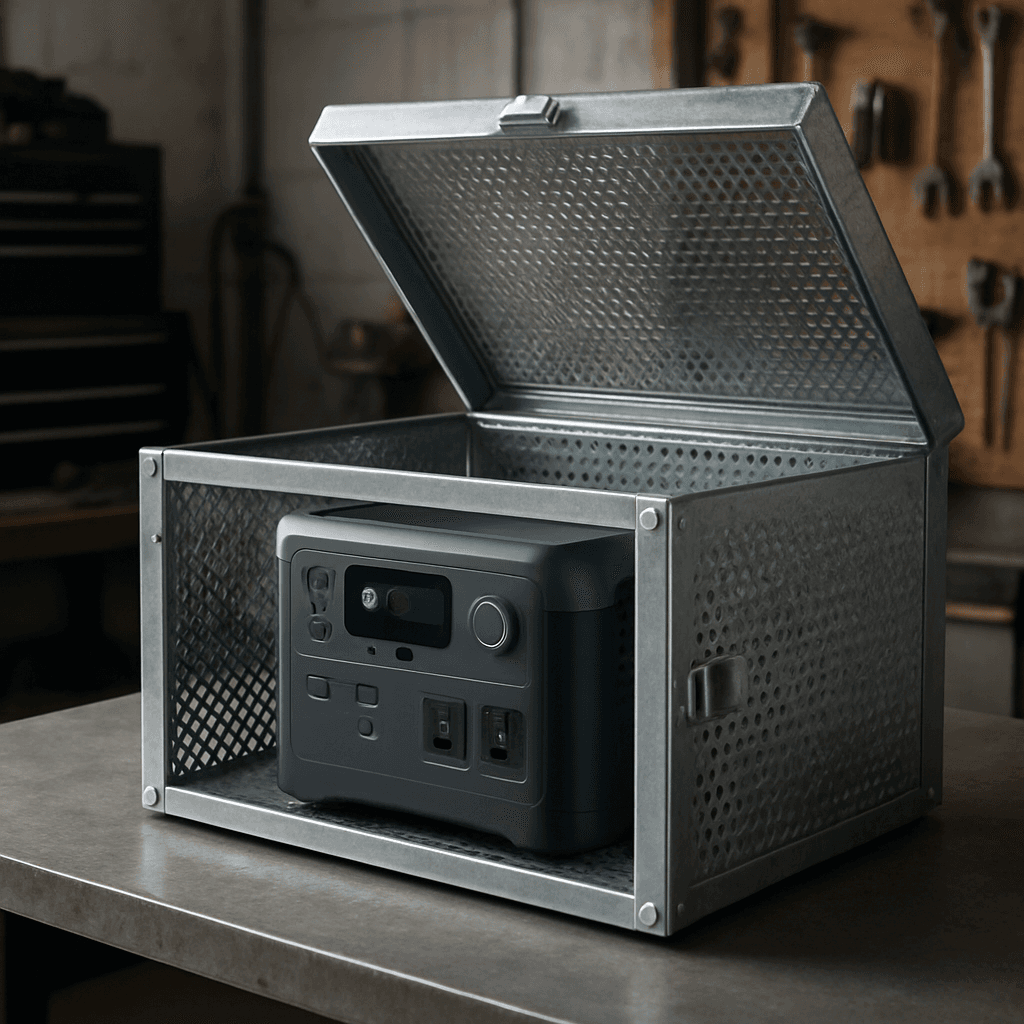
Can an EMP Destroy Your Power Station? What the Science Actually Says
Batteries are more EMP-resistant than most people assume, but the electronics inside a power station aren't. Here's the real science of EMP risk and Faraday cage protection.
 Emergency Preparedness
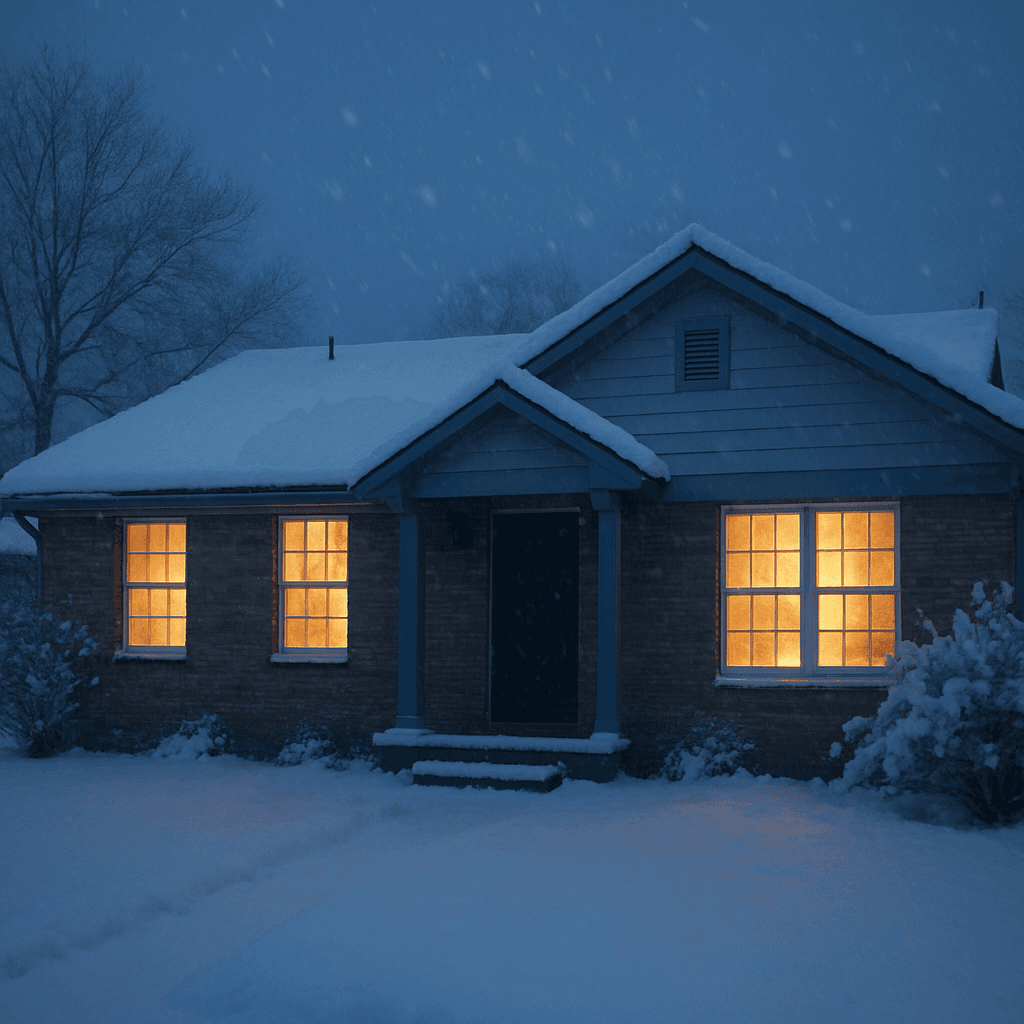
Winter Storm Power Outage Preparedness Guide (Texas Edition)
The 2021 Texas winter storm exposed how unprepared the grid can be for extreme cold. Here's how to plan backup power for Texas winter weather specifically.
 Emergency Preparedness
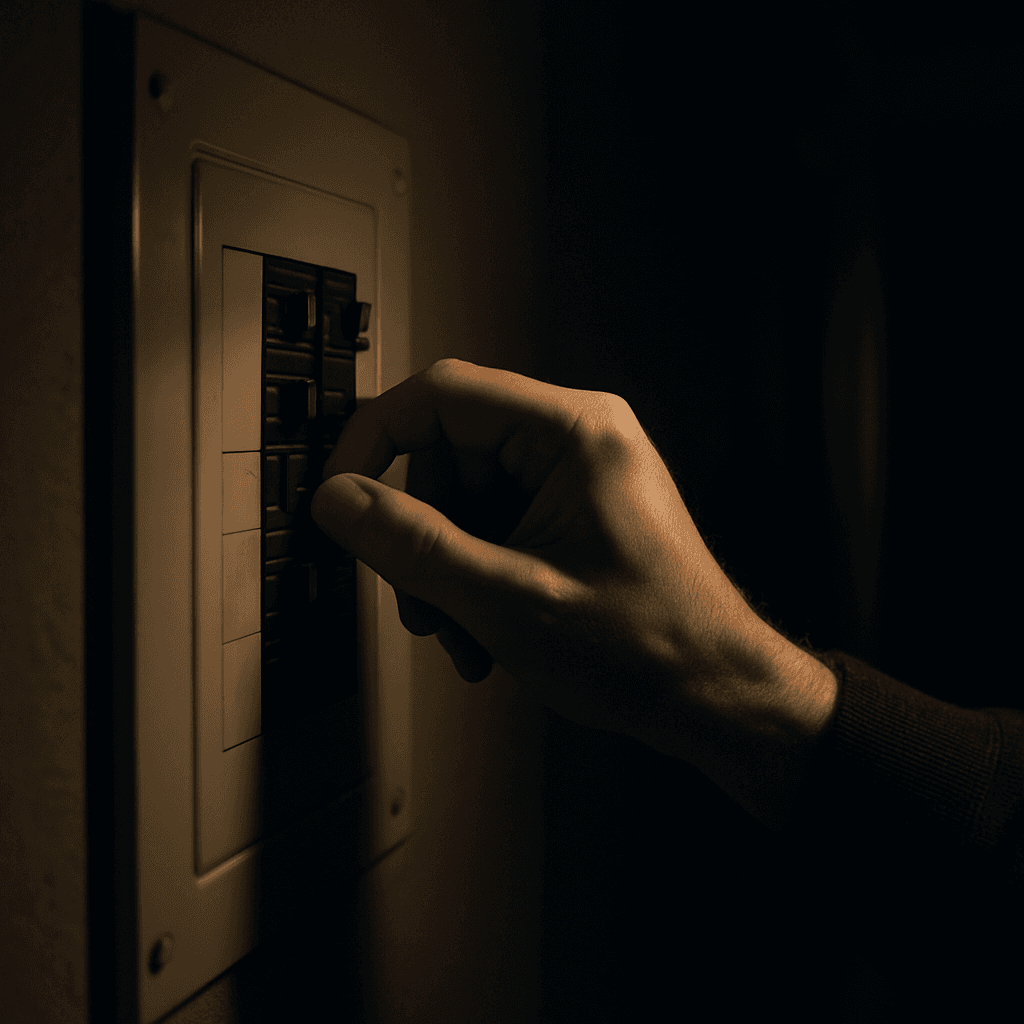
What to Do When the Power Goes Out: Step-by-Step Guide
The first 15 minutes after a power outage matter. Here's a clear, step-by-step guide for what to do the moment your power goes out.