What to Do When the Power Goes Out: Step-by-Step Guide
The short version: confirm whether it's just your home or a wider outage, unplug sensitive electronics to protect against a power surge, then switch to backup power in priority order — medical equipment first, then the fridge, then communication devices, then lighting. Whether it's a planned outage or a sudden surprise, having a clear mental checklist for the first moments after the power goes out helps you respond calmly instead of scrambling. Here's the step-by-step process.
Step 1: Confirm the Scope
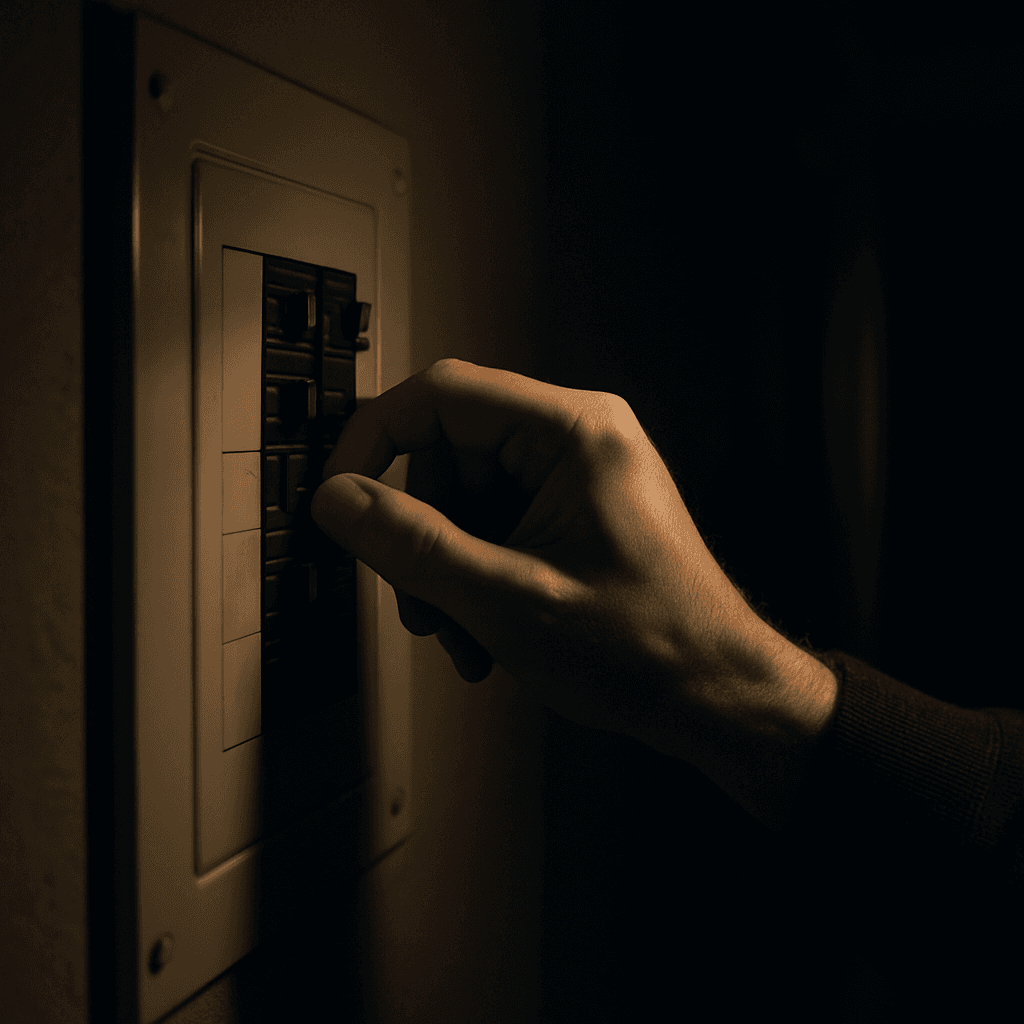
Check if it's just your home (a tripped breaker or blown fuse) or a wider outage — look at neighbors' houses or check your utility's outage map on your phone. This determines whether you need an electrician or you're in for a longer wait.
Step 2: Report It (If Widespread)
If it's a utility-wide outage, report it through your utility's app or hotline if it's not already reflected on their outage map — this helps them prioritize restoration and gives you an estimated restoration time when available.
Step 3: Protect Your Electronics
Unplug sensitive electronics (computers, TVs, game consoles) to protect against a power surge when electricity is restored — this is a genuinely important step people often forget in the moment.
Step 4: Switch to Backup Power for Priorities
Turn on your power station and connect priority devices in this general order: medical equipment first, then refrigeration, then communication devices (phone charging, Wi-Fi router if maintaining internet matters), then general lighting.
Step 5: Manage Your Fridge and Freezer
Keep the fridge and freezer doors closed as much as possible — see our how long can a power station run your fridge guide for how to plan runtime and food safety together.
Step 6: Check In on Communication
Text rather than call if cell networks are congested (texts use less bandwidth and often go through even when calls fail), and let key family members or neighbors know you're okay, especially if the outage is storm-related.
Step 7: Settle In for the Duration
Once priorities are handled, conserve your power station's capacity for what matters — avoid running non-essential devices just because you have some backup power available, especially if the outage duration is uncertain.
Step 8: Watch for Restoration Signs
When power returns, wait a few minutes before plugging sensitive electronics back in, in case of a brief restoration flicker before power stabilizes.
Quick Reference Checklist
Save or screenshot this for the actual moment the power drops:
- Check if it's just your home or the whole area
- Report it if widespread and unreported
- Unplug sensitive electronics
- Power on backup: medical → fridge → communication → lighting
- Keep the fridge/freezer closed
- Text, don't call, if networks are congested
- Conserve capacity if duration is uncertain
- Wait a few minutes after restoration before reconnecting electronics
If the Power Stays Out Longer Than Expected
The steps above cover the critical first 15 minutes. If restoration estimates keep slipping and you're looking at a multi-hour or multi-day outage, shift into longer-term planning — see our preparing for a multi-day outage guide for food, water, and capacity-conservation strategies beyond the immediate response.
A Note on Surge Protection
Unplugging sensitive electronics (Step 3) protects against a power surge specifically during restoration, which is when voltage can spike briefly above normal before stabilizing. A quality surge protector strip reduces this risk for anything you can't easily unplug (like a refrigerator you're actively trying to keep cold) — it's a cheap, one-time investment worth having in place before an outage happens, not something to shop for during one.
Frequently Asked Questions
Should I call my utility every time the power goes out?
Only if it's not already reflected on their outage map or app — repeatedly calling for an already-reported outage doesn't speed up restoration and can tie up support lines for people with genuinely unreported issues.
How do I know if an outage is just my house or the whole neighborhood?
Check if neighboring homes have lights on, or check your utility's outage map app, which usually shows real-time reported outages by area.
What's the very first thing I should do when the power goes out?
Confirm the scope (just your home vs. a wider outage) before anything else — it determines whether you need an electrician or you're settling in for a longer wait, and it shapes every decision that follows.
Related Articles
 Emergency Preparedness
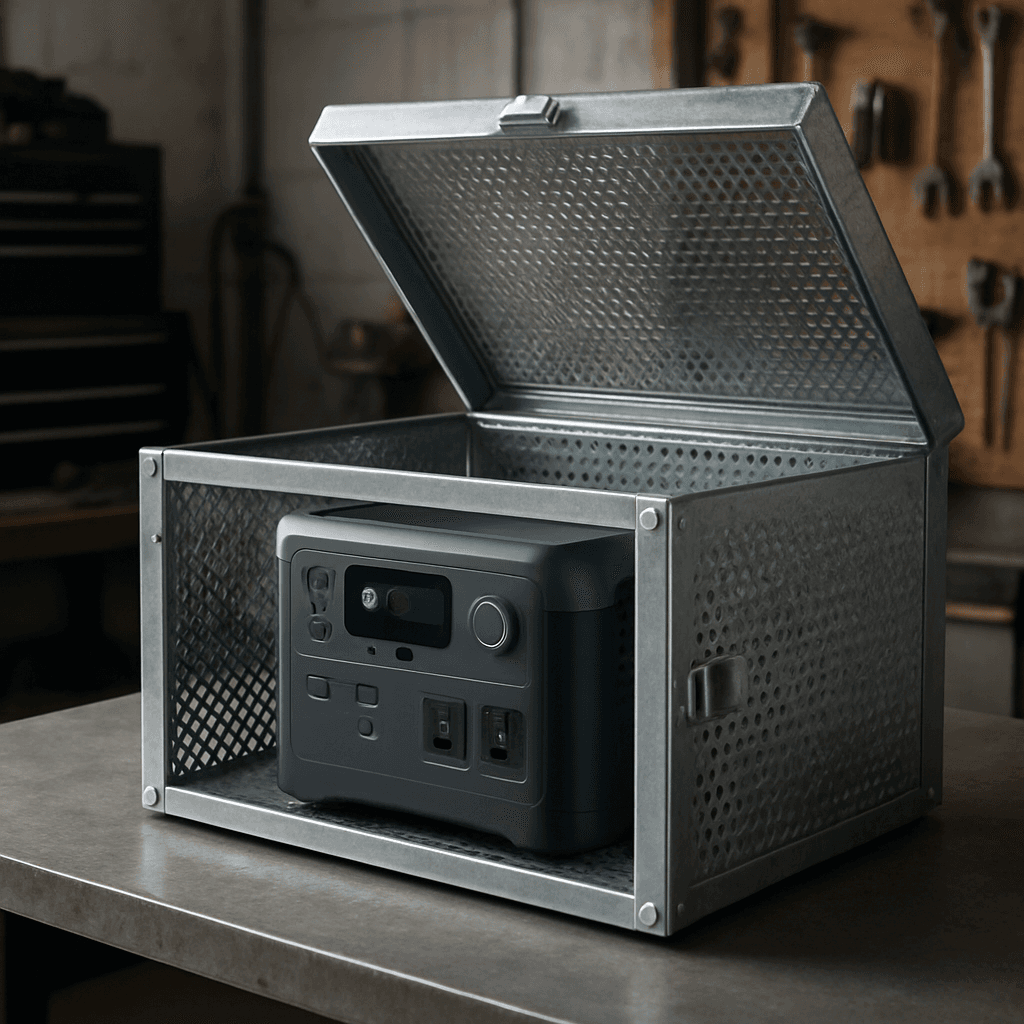
Can an EMP Destroy Your Power Station? What the Science Actually Says
Batteries are more EMP-resistant than most people assume, but the electronics inside a power station aren't. Here's the real science of EMP risk and Faraday cage protection.
 Emergency Preparedness
Winter Storm Power Outage Preparedness Guide (Texas Edition)
The 2021 Texas winter storm exposed how unprepared the grid can be for extreme cold. Here's how to plan backup power for Texas winter weather specifically.
 Emergency Preparedness
Preparing Your Home for a Multi-Day Power Outage
Multi-day outages require different planning than a brief interruption. Here's a complete household preparation checklist beyond just the power station.