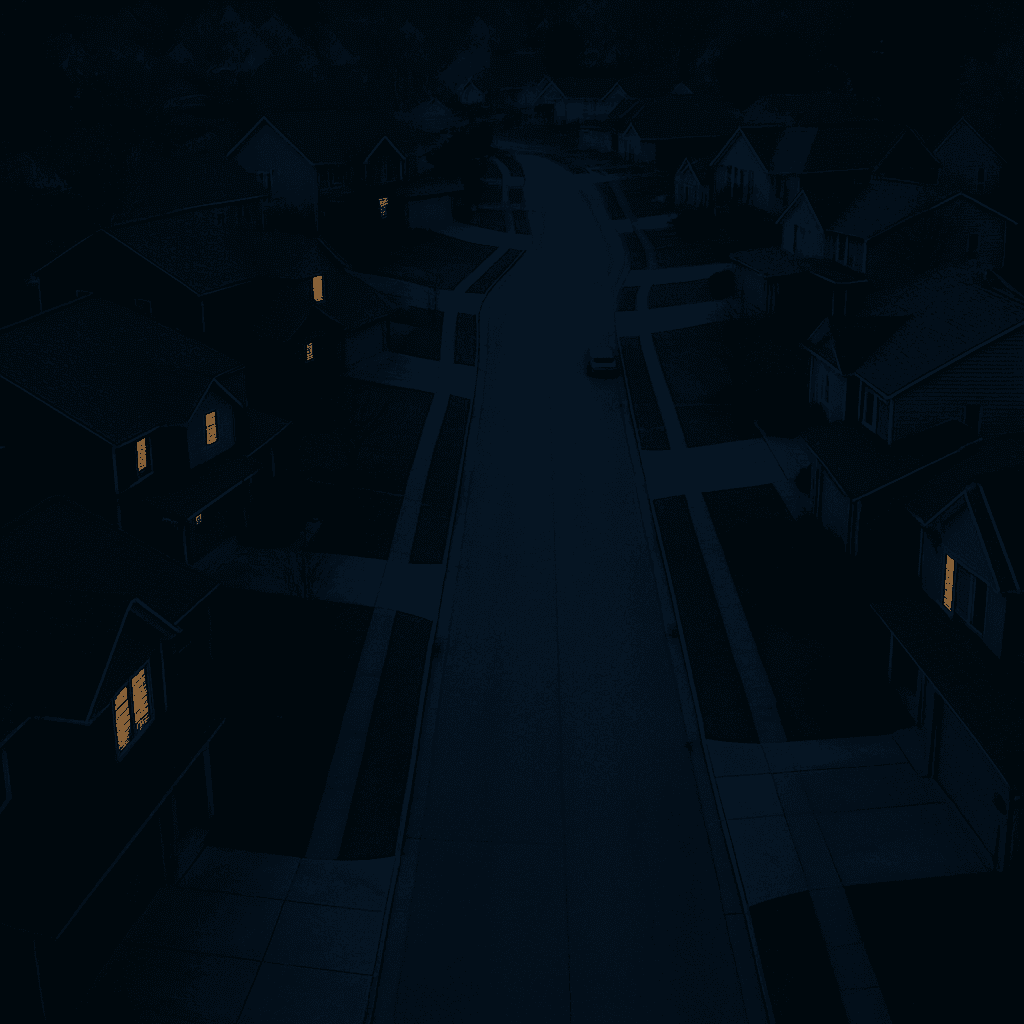
Power Outage Statistics by State: Which States Need Backup Power Most
Not every state faces the same outage risk — climate, grid infrastructure age, and geography all drive significant differences in how often and how long outages last. Here's how to think about your own region's risk level. If your power just went out right now, see our what to do when the power goes out guide for immediate next steps instead.
What Drives State-Level Outage Risk
- Hurricane exposure — Gulf Coast and Atlantic Coast states (Florida, Texas, Louisiana, the Carolinas) face the highest hurricane-driven outage risk, typically June-November. See our Florida hurricane season guide.
- Winter storm severity and grid readiness — states with infrastructure not built for extreme cold (notably Texas, per the 2021 storm) can face disproportionate outage risk relative to their typical climate. See our Texas winter storm guide.
- Wildfire risk and PSPS policy — California in particular sees planned outages during high fire-risk weather. See our California wildfire guide.
- Tornado frequency — Midwest and Southern "Tornado Alley" states see more frequent, less predictable severe weather outages. See our tornado season guide.
- Grid infrastructure age — older grid infrastructure in some regions correlates with more frequent routine outages independent of severe weather.
What SAIDI and SAIFI Actually Measure
These are the two standard reliability metrics utilities report to regulators, and understanding them helps you read any outage data you find:
- SAIDI (System Average Interruption Duration Index) — the average total minutes a customer is without power per year, across the whole utility service area.
- SAIFI (System Average Interruption Frequency Index) — the average number of separate outage events a customer experiences per year.
A utility can have a low SAIFI (outages are rare) but a high SAIDI (when they happen, they last a long time) or vice versa — both numbers matter, and they tell you different things about what to plan for. A region with frequent-but-short outages favors a smaller, quick-recharge unit; a region with rare-but-long outages favors a larger-capacity or expandable system.
How to Check Your Specific Area's Risk
Your utility company typically publishes reliability statistics (SAIDI/SAIFI metrics measuring average outage frequency and duration) on request or in regulatory filings — checking these for your specific utility gives a more precise picture than state-level generalizations alone. Local news coverage of past major outage events is also a practical indicator.
Sizing Your Backup Power to Your Actual Risk
If you're in a high-risk category (coastal hurricane zone, wildfire PSPS area, older grid infrastructure), lean toward the higher end of capacity recommendations and consider an expandable system — see our expandable capacity power stations guide. If your area has genuinely low outage frequency and short typical duration, a more modest essentials-focused unit is a reasonable, cost-effective choice.
Grid Modernization Is an Ongoing, Uneven Process
Utilities across the country are investing in grid hardening and modernization, but progress varies significantly by region and utility — don't assume your area's historical outage pattern will necessarily improve quickly, and plan based on current, not projected, reliability.
Frequently Asked Questions
Where can I find official outage statistics for my specific utility?
Many state public utility commissions publish reliability metrics (SAIDI/SAIFI) for utilities they regulate — check your state's public utility commission website, or request this data directly from your utility.
Does living in a "low-risk" state mean I don't need backup power at all?
Not necessarily — even low-average-outage-frequency areas can experience unexpected severe weather or infrastructure failures. A modest, appropriately-sized power station remains a reasonable investment for most households regardless of regional statistics.
Related Articles
 Emergency Preparedness
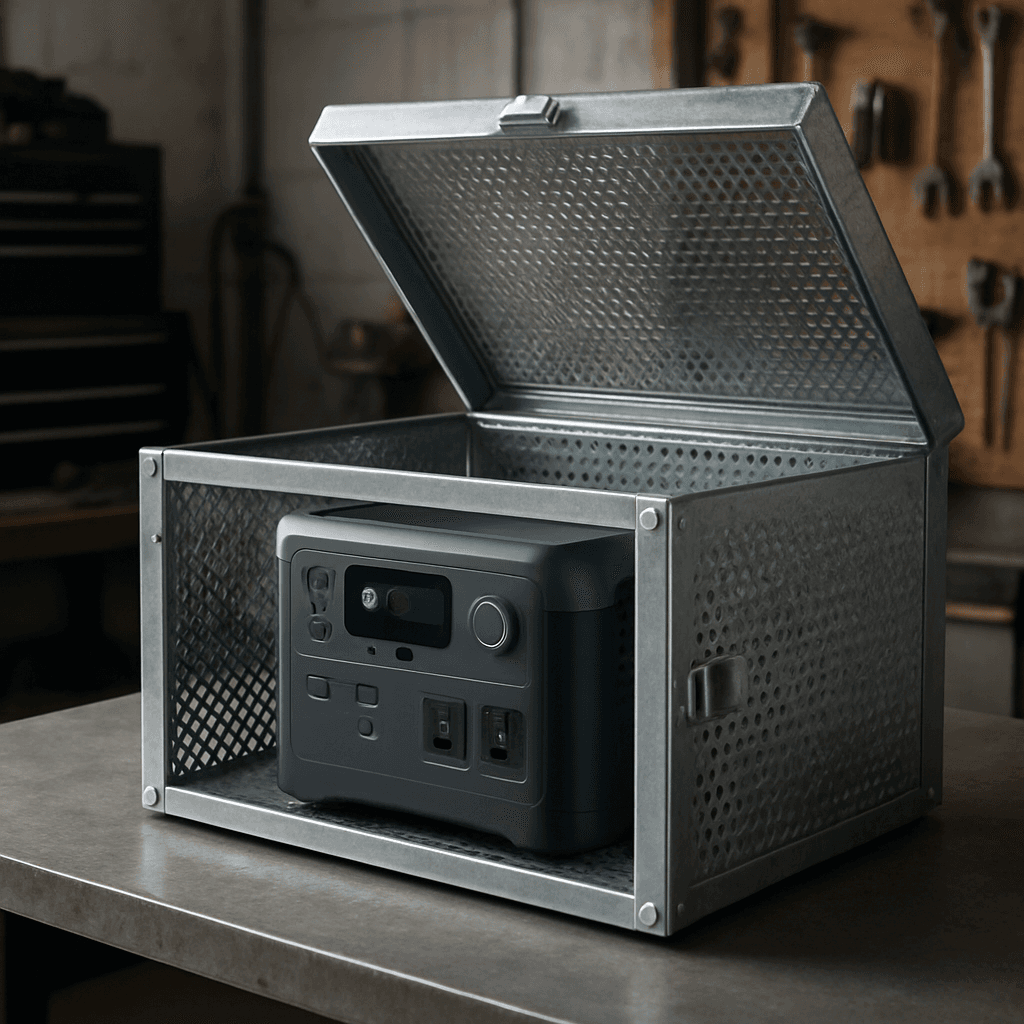
Can an EMP Destroy Your Power Station? What the Science Actually Says
Batteries are more EMP-resistant than most people assume, but the electronics inside a power station aren't. Here's the real science of EMP risk and Faraday cage protection.
 Emergency Preparedness
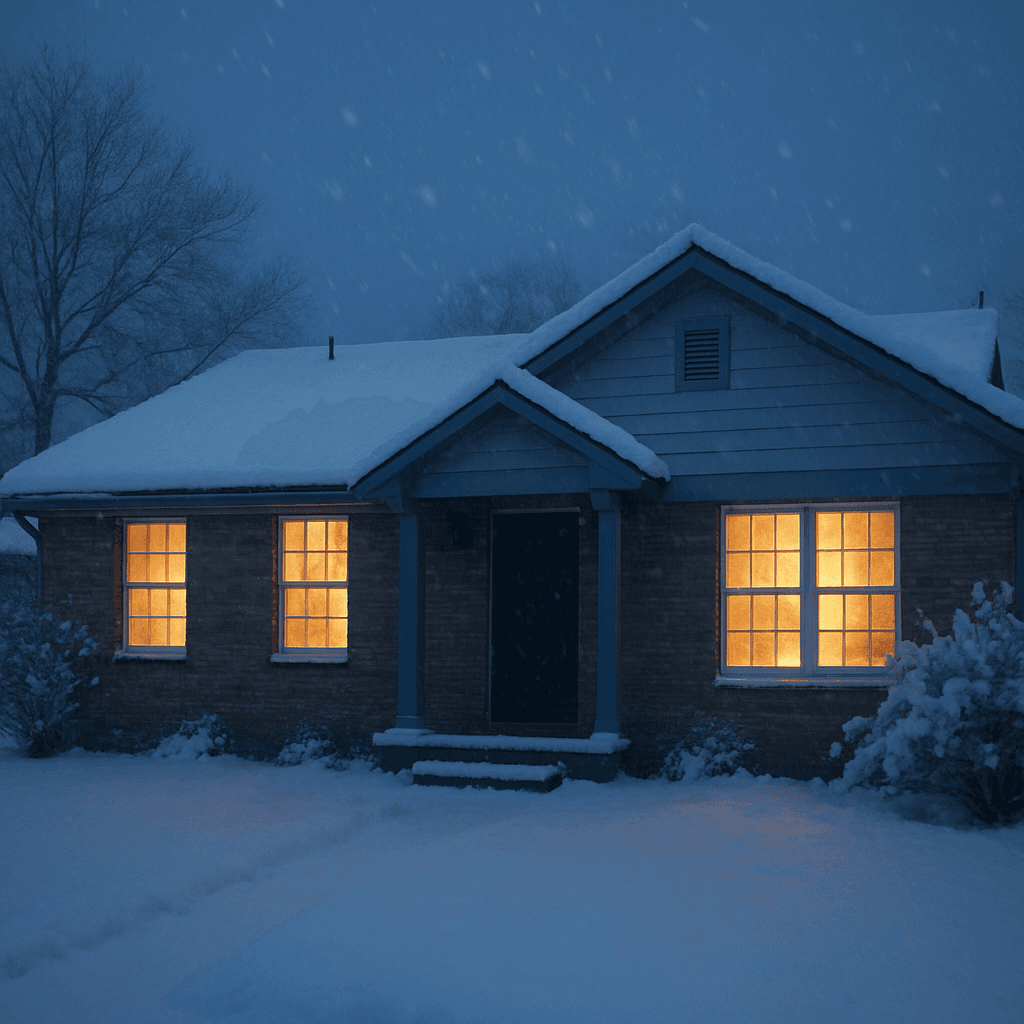
Winter Storm Power Outage Preparedness Guide (Texas Edition)
The 2021 Texas winter storm exposed how unprepared the grid can be for extreme cold. Here's how to plan backup power for Texas winter weather specifically.
 Emergency Preparedness
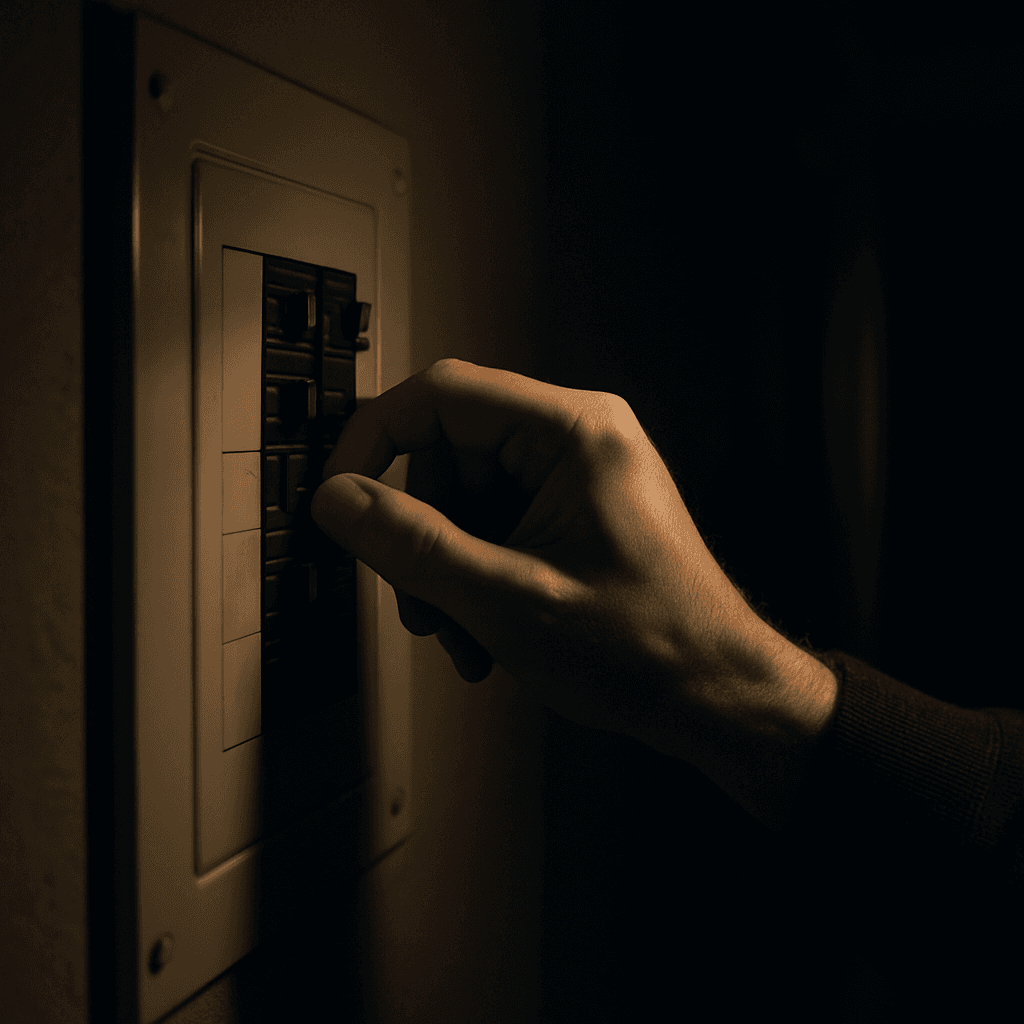
What to Do When the Power Goes Out: Step-by-Step Guide
The first 15 minutes after a power outage matter. Here's a clear, step-by-step guide for what to do the moment your power goes out.