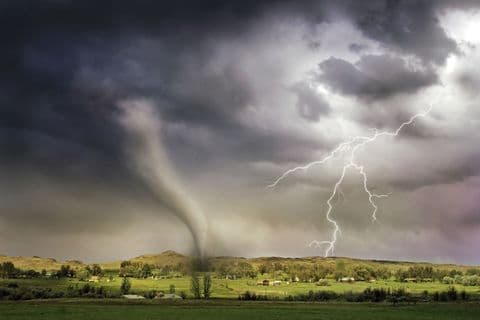
Best Power Station for Tornado Season in the Midwest
Midwest tornado season (roughly spring through early summer, though timing varies by state) creates a different preparedness pattern than hurricanes — far less advance warning, but often shorter individual outage durations unless infrastructure is directly damaged.
What Makes Tornado Prep Different
Unlike hurricanes with days of advance notice, tornado warnings often give just minutes — meaning your backup power plan needs to be ready at all times during the season, not something you set up reactively once a specific storm is announced. Keep your power station charged and accessible throughout tornado season rather than only charging it when a specific warning is issued.
Storm Shelter Power Considerations
If you have a storm shelter or safe room, consider keeping a smaller, portable power station option there specifically for lighting and phone charging during the actual sheltering period — a compact unit like the EcoFlow River 3 is easy to store in a shelter space without taking up much room.
Post-Storm Outage Planning
After a tornado passes, outage duration depends heavily on whether infrastructure was directly damaged — a near-miss might mean power returns within hours, while a direct hit on local infrastructure can mean days. Size your main household power station for a realistic multi-day scenario, similar to hurricane planning: a Jackery Explorer 2000 Plus or EcoFlow Delta 2 Max gives solid multi-day coverage.
Damage Risk to Your Power Station Itself
Unlike a hurricane where you can often protect equipment in advance, a tornado's sudden nature means your main power station may be at your home during the storm itself. Store it in an interior, lower-level location (not near windows) when severe weather is forecast during tornado season, similar to how you'd protect other valuables.
Building a Complete Plan
A power station is only part of tornado preparedness — see our 72-hour emergency power kit guide for the complete essentials list, and make sure your family has a clear shelter plan independent of the power situation.
Why Midwest Grid Infrastructure Faces Unique Strain
Tornado damage tends to be highly localized but severe — a direct hit can snap poles and destroy transformers along a narrow path, while areas just outside that path stay untouched. This localized-but-total damage pattern means restoration crews often have to travel from further away than they would for a widespread regional storm, since utilities can't always pre-stage repair crews across the entire potential tornado track the way they can for a hurricane's known landfall zone. It's part of why an individual household's direct-hit outage can run longer than the region's overall storm severity might suggest.
What to Do the Moment You Lose Power Mid-Storm
If power drops while a tornado warning is still active, prioritize shelter first — don't go looking for candles, flashlights, or a power station while a tornado may still be nearby. Once the immediate threat has passed and you've confirmed your household's safety, then move to your power plan: check for storm damage before assuming it's just a routine outage, and follow the same priority order (medical equipment, then refrigeration, then communication) as any other outage once it's safe to do so.
Frequently Asked Questions
How much advance warning does a tornado typically give?
Often just minutes to tens of minutes once a warning is issued, though watches (indicating favorable conditions) can be issued hours ahead. This is why keeping backup power ready throughout the season, not reactively, matters for tornado prep specifically.
Should I keep my power station in my storm shelter or main living area?
Consider a smaller unit in your shelter for the sheltering period itself (lighting, phone charging), with your main larger unit in your main living area for post-storm outage needs — see our guide above for specific recommendations on each.
Related Articles
 Emergency Preparedness
Can an EMP Destroy Your Power Station? What the Science Actually Says
Batteries are more EMP-resistant than most people assume, but the electronics inside a power station aren't. Here's the real science of EMP risk and Faraday cage protection.
 Emergency Preparedness
Winter Storm Power Outage Preparedness Guide (Texas Edition)
The 2021 Texas winter storm exposed how unprepared the grid can be for extreme cold. Here's how to plan backup power for Texas winter weather specifically.
 Emergency Preparedness
What to Do When the Power Goes Out: Step-by-Step Guide
The first 15 minutes after a power outage matter. Here's a clear, step-by-step guide for what to do the moment your power goes out.