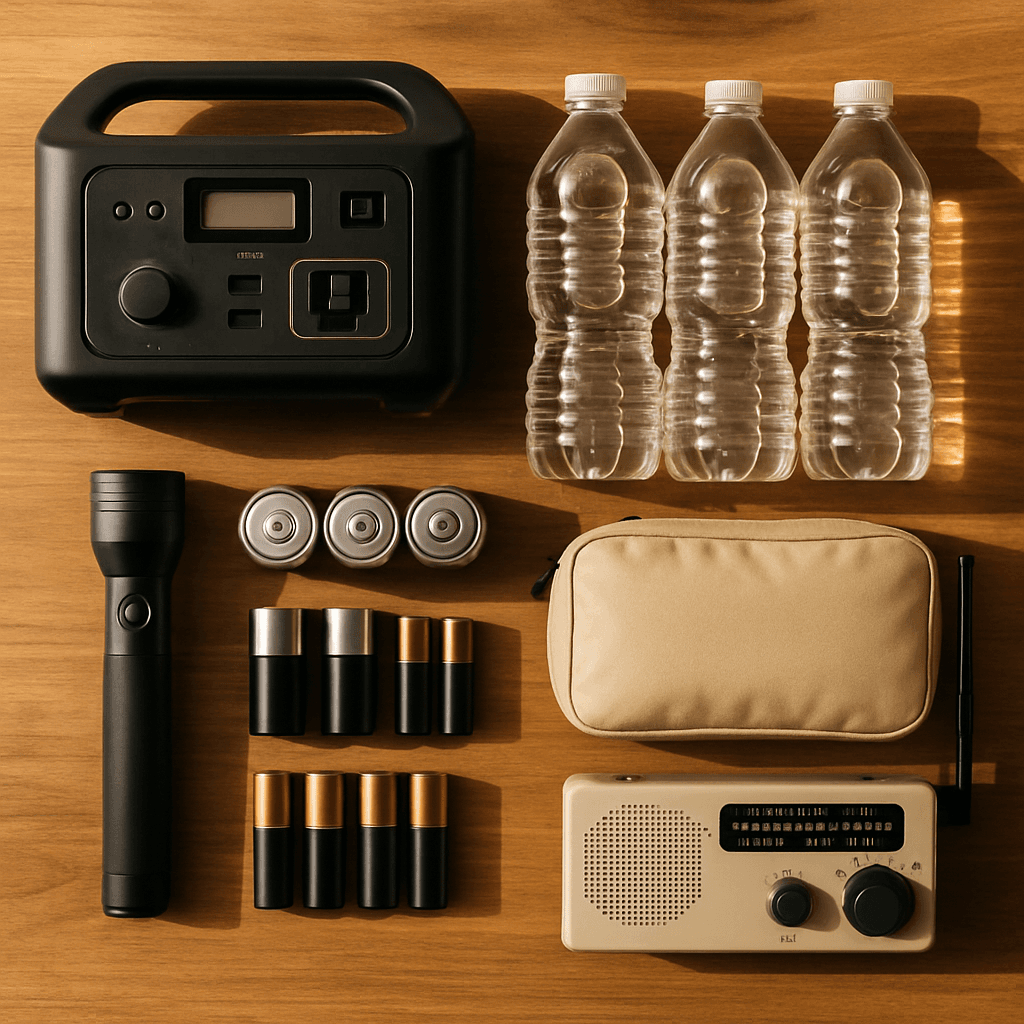
A complete power-specific 72-hour kit needs: a properly sized power station (typically 3,000–6,000Wh for a no-recharge plan), all your charging cables kept together with it, a backup charging method like solar or a car charger, and a battery or hand-crank radio. FEMA and most emergency management agencies recommend every household have a 72-hour (3-day) emergency kit as a baseline standard. Here's how to build the power-specific portion correctly.
The Core Power Kit
- A properly sized power station — covering your essential loads (fridge, medical equipment, communication, lighting) for the full 72 hours. Use our wattage sizing guide to calculate your specific number.
- All necessary charging cables and adapters for your priority devices, stored together with the power station, not scattered around the house.
- A backup charging method — a solar panel if you have one, or at minimum a car charging cable, in case the outage extends beyond your power station's stored capacity.
- A battery-powered or hand-crank radio for emergency broadcasts if cell networks and internet are down.
- Extra batteries for any battery-only devices (flashlights, radios) not covered by your power station.
Calculating Your 72-Hour Capacity Need
Multiply your daily essential load (from your wattage sizing calculation) by 3 days, then add a 20-30% buffer for colder weather or unexpected additional use. Most households land in the 3,000-6,000Wh range for a genuine, no-recharging 72-hour essentials plan — which is why many households pair a base unit with expansion batteries or plan on some recharging via solar or generator during the window.
Beyond Power: The Rest of Your Kit
While this guide focuses on the power component, a complete 72-hour kit also includes water (1 gallon per person per day), non-perishable food, a first aid kit, medications, important documents, and cash. Power keeps your fridge, medical equipment, and communication running — but it's one piece of a broader plan. If your household needs to plan beyond 72 hours, see our multi-day outage prep guide — and if you keep an aquarium, don't overlook powering it during an outage, since fish and coral can't wait out a gap the way pantry food can.
Storage and Accessibility
Keep your power kit somewhere you can access quickly, fully charged, and check periodically (at minimum every few months) rather than assuming it'll be ready when you need it. A kit that's been sitting uncharged for a year isn't actually ready.
Region-Specific Additions
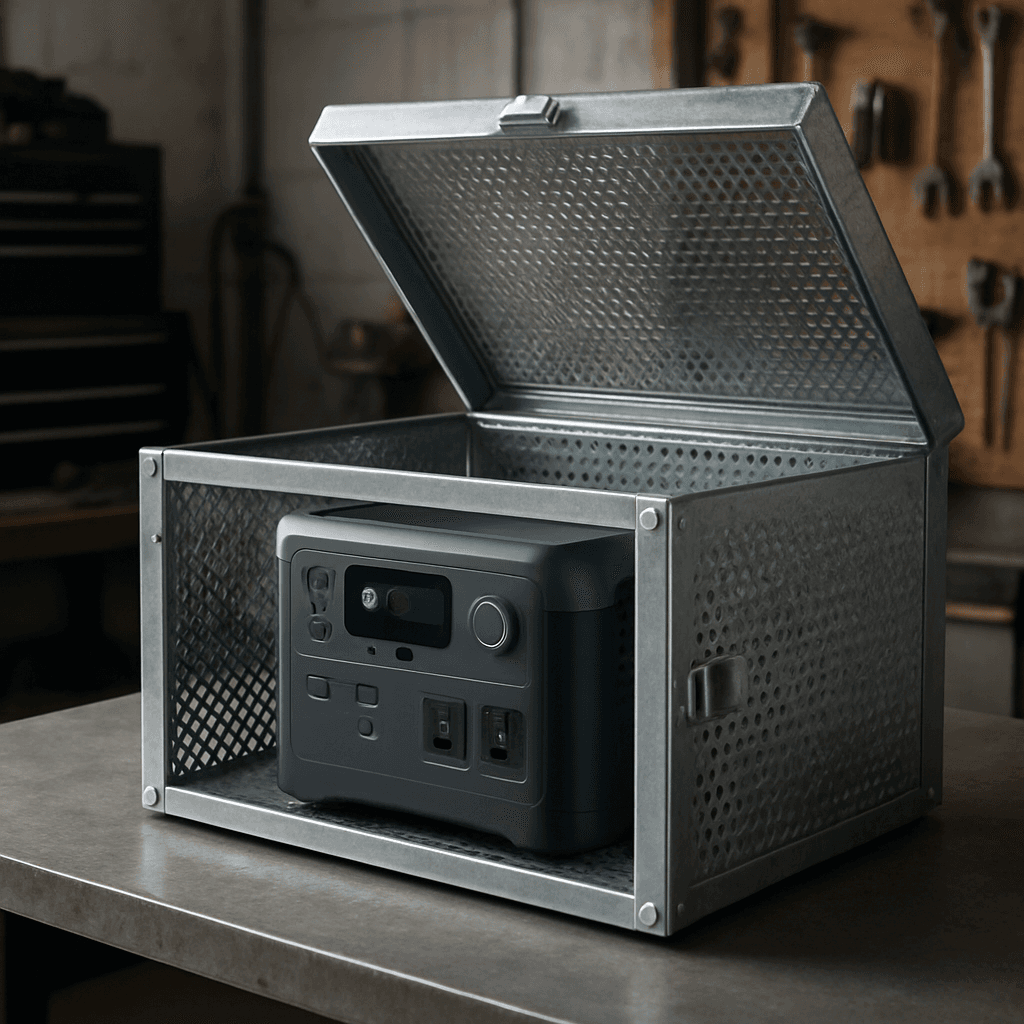
Depending on where you live, add region-specific items to your power kit — see our hurricane preparedness checklist, winter storm guide, or wildfire season guide for what to prioritize based on your specific regional risk. Want to hedge against a lower-probability but real risk too? See our EMP and Faraday cage protection guide.
Frequently Asked Questions
Is 72 hours really enough, given some outages last much longer?
72 hours is the standard baseline recommendation, but if you're in a region prone to extended outages (major hurricanes, widespread grid failures), consider planning toward 5-7 days instead — see our expandable capacity power stations guide if you want to build toward longer coverage.
How often should I check and update my 72-hour kit?
At minimum every few months, and always before a known high-risk period (start of hurricane season, before winter, etc.) — check charge levels, expiration dates on any food/water/medication, and confirm everything still works as expected.
Related Articles
 Emergency Preparedness
Can an EMP Destroy Your Power Station? What the Science Actually Says
Batteries are more EMP-resistant than most people assume, but the electronics inside a power station aren't. Here's the real science of EMP risk and Faraday cage protection.
 Emergency Preparedness
Winter Storm Power Outage Preparedness Guide (Texas Edition)
The 2021 Texas winter storm exposed how unprepared the grid can be for extreme cold. Here's how to plan backup power for Texas winter weather specifically.
 Emergency Preparedness
What to Do When the Power Goes Out: Step-by-Step Guide
The first 15 minutes after a power outage matter. Here's a clear, step-by-step guide for what to do the moment your power goes out.