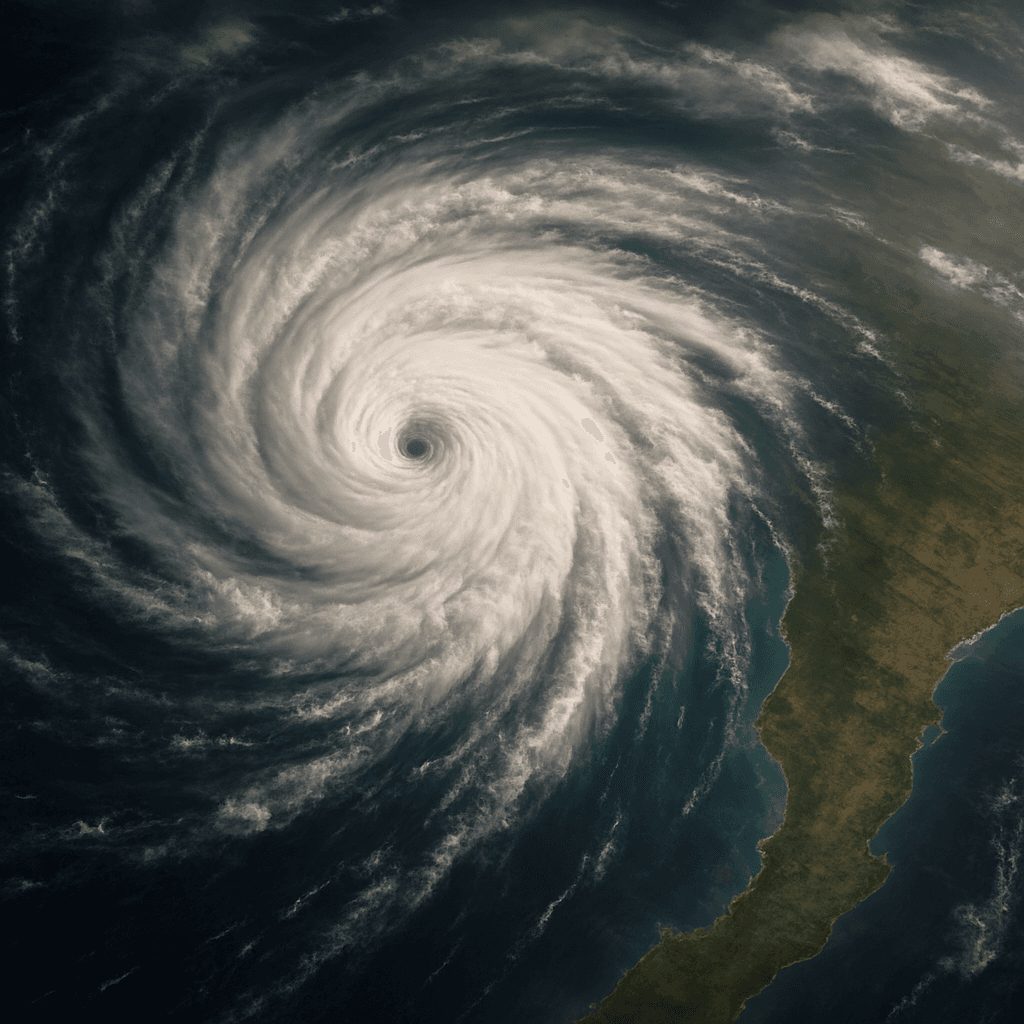
Hurricane Preparedness Checklist: Power and Backup Essentials
Hurricane season runs June through November, and for millions of households across Florida, Texas, Louisiana, and the Carolinas, that means the very real possibility of a multi-day power outage. The single biggest mistake people make is waiting until a storm is already forming in the Gulf to start preparing — by then, store shelves are empty and shipping is delayed. Here's a power-focused checklist to work through well before hurricane season peaks.
Do This Before Hurricane Season Starts (May)
- Buy your power station in spring, not August. Prices spike and stock runs out in the days before a major storm makes landfall.
- Size it correctly. Use our wattage sizing guide to calculate what you actually need to run a fridge, medical equipment, and lighting for 3–7 days.
- Buy a solar panel to pair with it. A grid outage after a hurricane can last a week or more — solar recharging is the only way to keep going once the battery is drained.
- Test the full setup once, before you need it. Charge the unit fully, run your fridge on it for a few hours, and confirm every cable and adapter you'll need is actually in the bag.
72 Hours Before Landfall
- Charge your power station to 100%, even if it's already near full — top it off.
- Charge every phone, laptop, tablet, and power bank in the house to 100% as a secondary buffer.
- Freeze water bottles and ice packs; a fuller freezer holds cold longer during an outage.
- Fill your car's gas tank, in case you need to run a vehicle charger or evacuate.
- Confirm your solar panel's cables and mounting hardware are packed with the power station, not scattered around the garage.
During the Outage: Making Your Battery Last
- Prioritize ruthlessly. Run the fridge, medical devices, and essential lighting first. Save laptop/entertainment charging for when there's a surplus.
- Keep the fridge closed. A full fridge stays cold for about 4 hours unopened; a full freezer for up to 48 hours. Minimizing door-opens dramatically cuts the wattage you actually need to supply.
- Run high-draw appliances (microwave, coffee maker) briefly and separately rather than simultaneously with everything else, to avoid tripping the output limit.
- Recharge via solar during daylight even if you're not near empty — topping off opportunistically means you're never caught with a dead battery overnight.
For the first steps to take the instant power drops, see our what to do when the power goes out guide.
Regional Notes
Florida: High humidity and heat mean fridge/freezer preservation is more urgent than in cooler climates — size your power station with extra buffer for continuous fridge operation. Gulf Coast / Texas: Storm surge and flooding risk means keeping your power station on a shelf or elevated surface, not the garage floor. Coastal Carolinas: Outages here have historically run longer than the storm itself due to downed lines in rural service areas — solar recharging capacity matters more than raw battery size alone. For a broader look at how grid reliability varies outside hurricane season too, see our grid failure risk by region overview.
Hurricane Category and Realistic Outage Duration
Higher hurricane categories generally mean longer, more widespread outages — here's how to translate the category you're hearing on the news into how much backup power you should plan for:
| Category (Saffir-Simpson) | Sustained Winds | Typical Outage Duration |
|---|---|---|
| 1 | 74–95 mph | Hours to 1–2 days |
| 2 | 96–110 mph | 1–3 days |
| 3 (Major) | 111–129 mph | 3–7 days |
| 4 (Major) | 130–156 mph | 5–10+ days |
| 5 (Major) | 157+ mph | 1–2+ weeks in hard-hit areas |
These are general planning ranges, not guarantees — local grid infrastructure and how directly the storm hits your specific area matter as much as the category itself. If you have medical equipment needs beyond general essentials, see our CPAP outage guide for device-specific backup planning.
What to Buy: Minimum Recommended Setup
- Power station: 2,000Wh+ capacity for a household planning to run a fridge for multiple days — see our top-ranked picks.
- Solar panel: At least 200W, ideally matched or exceeding the unit's max solar input rating.
- Battery-powered or hand-crank radio for NOAA weather alerts if cell service goes down.
- Manual can opener, flashlights, and a 3–7 day water/food supply — power is only one piece of the puzzle.
Frequently Asked Questions
Can I run my home AC unit off a portable power station during a hurricane outage?
A window AC unit (500–1,200W) can run briefly on a large power station, but continuous multi-day AC use will drain even a 2,000Wh+ unit within hours. For true whole-home AC backup, you'd need a much larger home battery system or generator — portable power stations are best treated as backup for essentials, not full climate control.
Is a gas generator better than a power station for hurricanes?
Gas generators offer unlimited runtime as long as fuel is available, but fuel becomes scarce and expensive immediately after a major storm, and generators can't be used indoors due to carbon monoxide risk. A power station has zero emissions, can be used indoors, and recharges via solar when fuel supply chains are disrupted — many households now use both together. See our full comparison of power stations vs. generators for more detail.
Related Articles
 Emergency Preparedness
Can an EMP Destroy Your Power Station? What the Science Actually Says
Batteries are more EMP-resistant than most people assume, but the electronics inside a power station aren't. Here's the real science of EMP risk and Faraday cage protection.
 Emergency Preparedness
Winter Storm Power Outage Preparedness Guide (Texas Edition)
The 2021 Texas winter storm exposed how unprepared the grid can be for extreme cold. Here's how to plan backup power for Texas winter weather specifically.
 Emergency Preparedness
What to Do When the Power Goes Out: Step-by-Step Guide
The first 15 minutes after a power outage matter. Here's a clear, step-by-step guide for what to do the moment your power goes out.