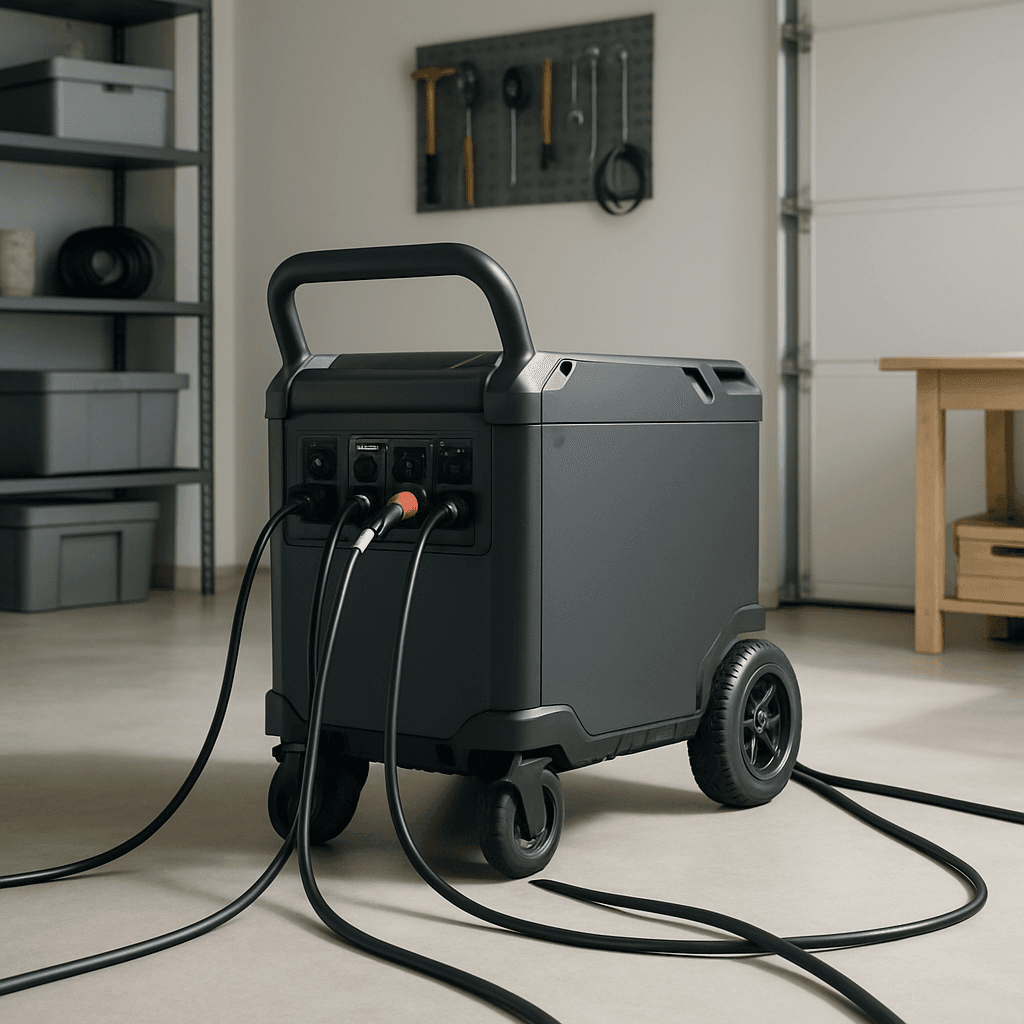
EcoFlow Delta Pro 3 Review: EcoFlow's New Flagship Tested
This page contains affiliate links. See our affiliate disclosure.
The Delta Pro 3 is EcoFlow's new flagship portable power station, sitting above the Delta 2 Max in capacity and output while staying (just barely) in "portable" territory rather than the fully fixed whole-home category occupied by the Delta Pro Ultra. Here's what 4,096Wh and 4,000W of continuous output actually gets you.
By the Numbers
| Spec | Value |
|---|---|
| Capacity | 4,096Wh (expandable to 12kWh with two Smart Extra Batteries) |
| Continuous Output | 4,000W |
| Surge Output | 8,000W |
| Battery Chemistry | LiFePO4 |
| AC Charging Speed | 0–80% in about 50 minutes |
| Weight | 113 lbs |
| Output Voltage | 120V/240V |
| List Price | $3,699 (frequently discounted to around $1,999) |
What Works
- Genuinely large capacity in a still-portable form factor. 4,096Wh covers a full-size fridge, medical equipment, and general essentials for a multi-day outage without needing to expand — and it's on wheels, not a fixed installation.
- 4,000W continuous output with 8,000W surge handles heavy compressor-driven loads (sump pumps, mini splits, power tools) comfortably, well beyond what most mid-size units offer.
- 120V/240V output from a single unit is a genuine step up for anyone who needs to run 240V equipment — a well pump, an EV charger, or certain shop tools — without a separate transformer setup.
- Fast AC charging for its size class. 50 minutes to 80% on a unit this large is competitive with much smaller units, which matters if you're recharging between outage windows.
What Doesn't
- 113 lbs is heavy. This isn't a unit you casually move around — it's on wheels for a reason, and "portable" here means "movable with effort," not "grab and go."
- Full whole-home-scale expansion (36–48kWh) requires EcoFlow's Smart Home Panel and multiple units, at which point you're in similar installation-complexity and cost territory to a dedicated home battery system — see our portable vs. whole-home battery comparison if you're trying to figure out which category you actually need.
- Overkill for camping or light use. If your needs are phone charging, lighting, and a mini fridge, this is considerably more capacity and cost than necessary — see our budget picks instead.
How It Compares to the Delta 2 Max
| Delta Pro 3 | Delta 2 Max | |
|---|---|---|
| Capacity | 4,096Wh | 2,048Wh (expandable to 6,144Wh) |
| Continuous output | 4,000W | 2,400W |
| Weight | 113 lbs | ~48 lbs |
| Best for | Whole-house-adjacent backup, heavy 240V loads | Strong multi-day essentials backup, more portable |
If you don't specifically need 240V output or 4,000W of continuous headroom, the EcoFlow Delta 2 Max covers the vast majority of home-backup use cases at less than half the weight and a meaningfully lower price.
Who Should Buy This
The Delta Pro 3 makes sense for households that want genuinely serious backup capacity — running a well pump, a sump pump, and a fridge simultaneously through an extended outage, or occasionally needing 240V output — without committing to a fully fixed whole-home installation. If your essentials list is more modest (fridge, medical equipment, lighting, device charging), a 2,000Wh-class unit covers it for meaningfully less money and weight.
Disclosure: WattStation HQ may earn a commission if you purchase through links on this page, at no extra cost to you. This does not affect our rankings — see our editorial policy.
Frequently Asked Questions
Is the EcoFlow Delta Pro 3 worth it over the Delta Pro Ultra?
It depends on whether you need whole-home, professionally installed backup or a large-but-still-portable unit. The Delta Pro 3 stays in plug-and-play territory at a lower cost; the Delta Pro Ultra scales further but requires installation and a bigger budget.
Can I run 240V equipment directly from the Delta Pro 3?
Yes — it outputs 120V/240V from a single unit, which is a genuine advantage over most portable power stations that only output 120V and would need a separate step-up transformer for 240V equipment like some well pumps or EV chargers.
How much does it cost to fully expand the Delta Pro 3 to its maximum capacity?
Expansion batteries are priced roughly proportional to the base unit's cost per watt-hour, so budget for each Smart Extra Battery to cost close to what an equivalent-capacity standalone unit would — expansion isn't a minor add-on cost. Check current pricing directly, since it changes with sales and promotions.
Related Articles
 Power Station Reviews
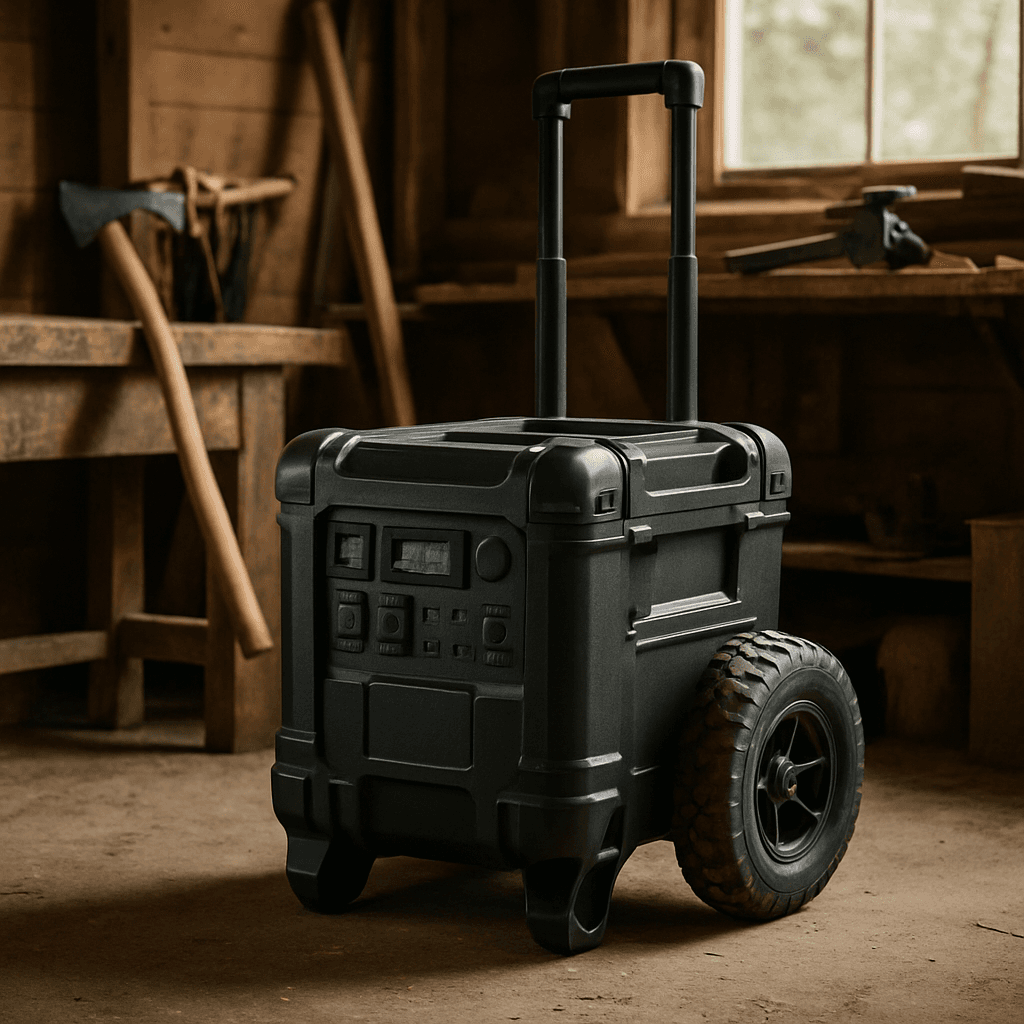
Renogy Lycan 5000 Review: Off-Grid Power Tested
The Renogy Lycan 5000 pairs a wheeled, rugged design with expandable capacity for serious off-grid use. Full specs, real-world runtime, and who it's for.
 Power Station Reviews
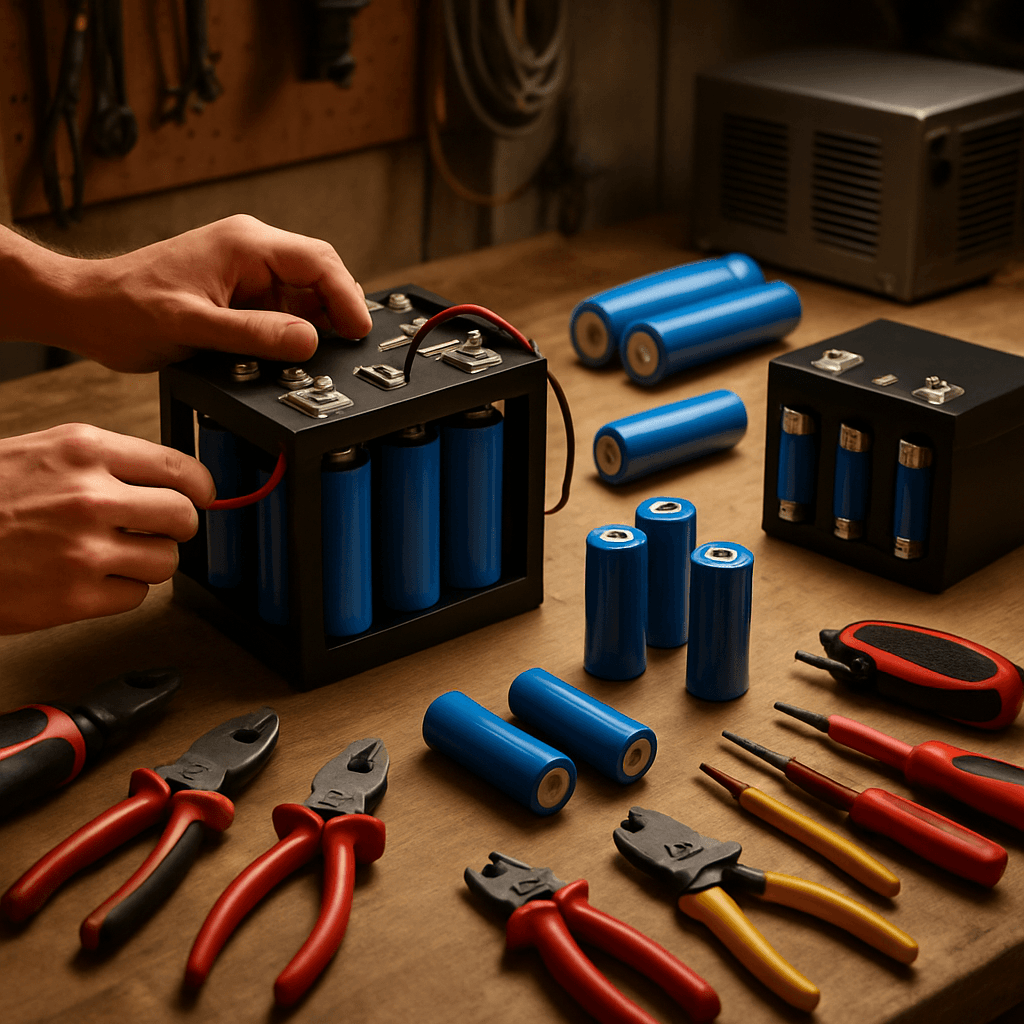
Point Zero Energy Titan Review: DIY Solar Generator
The Point Zero Energy Titan is built for modular, DIY-friendly expansion. Full specs, real-world runtime, and who this off-grid-focused power station is for.
 Power Station Reviews
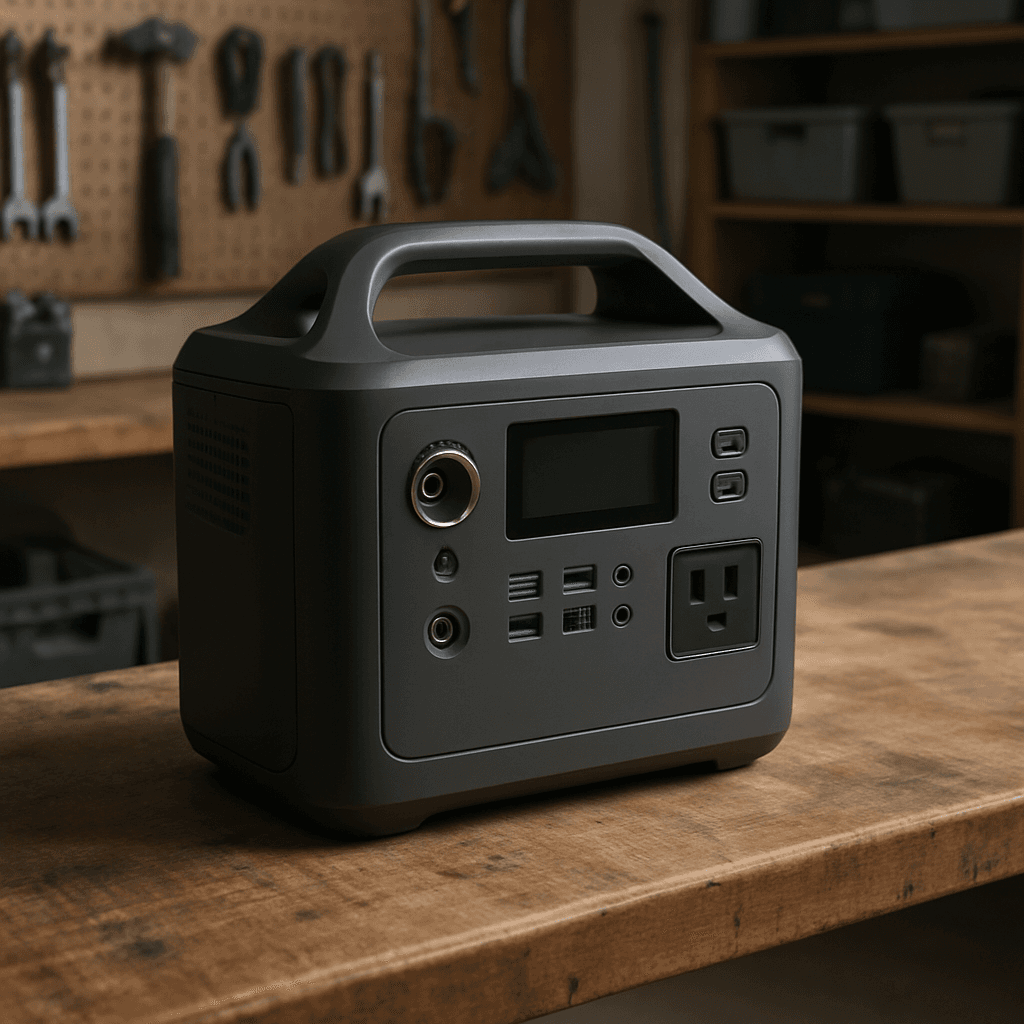
Oupes Mega 5 Review: Value for Money Analysis
The Oupes Mega 5 aims to undercut the big four brands on price without cutting core specs. Here's whether the value tradeoff actually holds up.