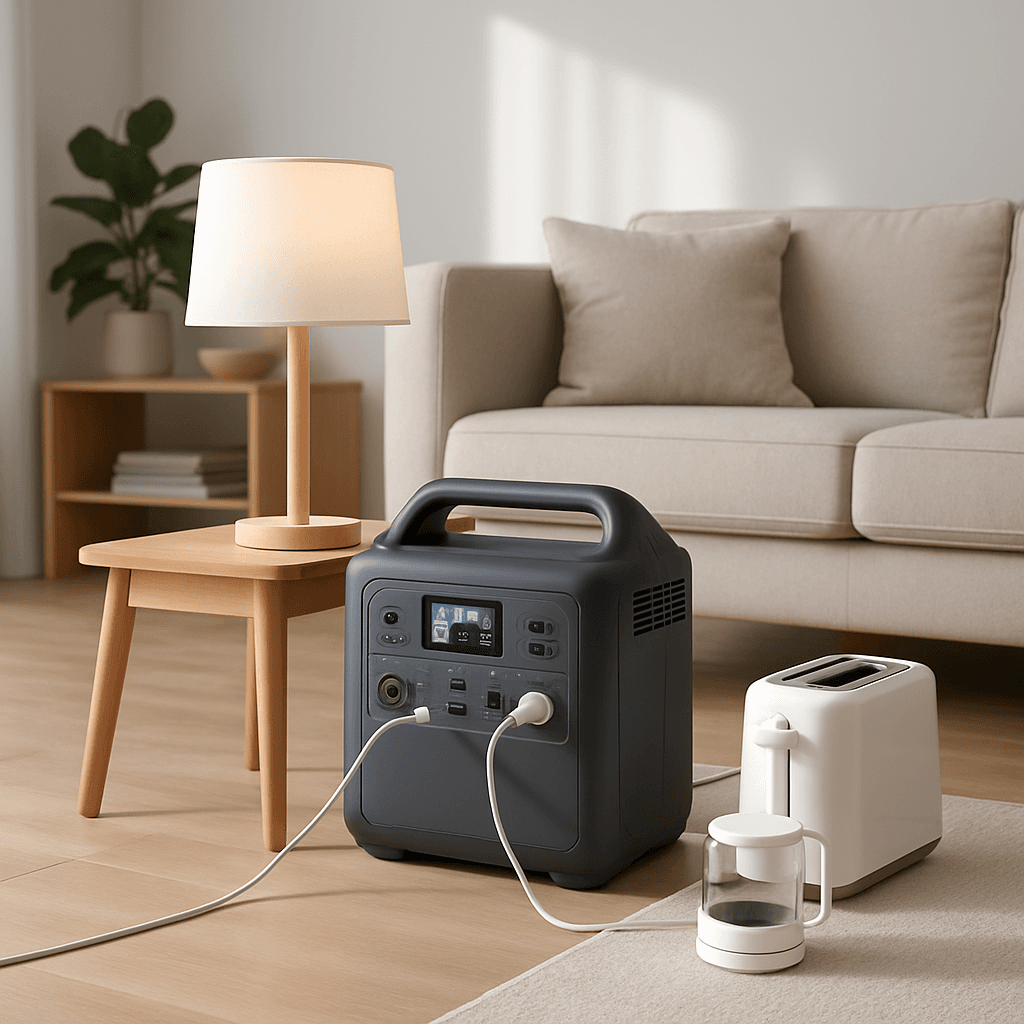
Home backup power has different priorities than camping gear: you care less about weight and more about total capacity, continuous output for multiple simultaneous devices, and how fast you can recharge between outage windows. Here's what actually matters and our top picks for 2026.
What Home Backup Actually Requires
- Enough capacity to cover 1-3 days of essential loads (fridge, medical equipment, lighting, phone/laptop charging) — see our wattage sizing guide to calculate your specific number.
- Continuous output high enough to run multiple devices at once, not just a single appliance.
- A realistic recharge plan, whether that's AC power between grid windows, a generator, or solar.
- Indoor-safe operation — unlike a gas generator, a power station produces zero emissions and can run safely inside your home. See our power station vs. gas generator comparison for the full picture.
Our Top Picks for Home Backup
EcoFlow Delta 2 Max — 2,048Wh expandable to 6,144Wh, 2,400W output, 80% recharge in 43 minutes. The best all-around home backup pick: enough capacity for real multi-day coverage with genuinely fast recharging between outage windows.
Jackery Explorer 2000 Plus — 2,042Wh expandable to 12kWh, 3,000W output, very quiet operation. The strongest pick if you want a credible path toward whole-home-scale backup over time.
Bluetti AC200L — 2,048Wh, dual AC+solar charging, built-in 30A RV outlet. The best pick if you want to recharge from AC and solar simultaneously during an extended outage.
Sizing for Your Household
A typical essentials-only household load (fridge, some lighting, phone/laptop charging, and a CPAP or similar medical device) runs roughly 1,500-2,500Wh per day. That means a single 2,000Wh-class unit covers about one day fully, or longer if you're only running critical devices intermittently. For true multi-day coverage without any recharging, look at expandable units scaled toward 4,000-6,000Wh+.
Still Deciding Between Portable and a Fixed Whole-Home System?
If your outage needs go beyond what any of these cover — running your whole house, not just the essentials — see our portable power station vs. whole-home battery comparison before committing to either category.
Don't Forget the Full Emergency Kit
A power station is the centerpiece of home backup, but not the whole plan. See our 72-hour emergency power kit guide and, if you're in a hurricane-prone region, our hurricane preparedness checklist for the complete picture beyond just the power station itself.
Frequently Asked Questions
Is a power station enough, or do I still need a generator for home backup?
For most households, a well-sized power station covers essentials (fridge, lighting, medical devices, device charging) without the fuel logistics, noise, or indoor-safety concerns of a gas generator. If you need to run high-draw appliances like central AC or an electric range for extended periods, a generator or larger fixed home battery system may still be necessary.
How often should I test my home backup power station?
Check the charge level and run a brief test at least every few months, and always top it off before predictable high-risk periods like hurricane season or winter storm season — see our hurricane preparedness checklist for a seasonal prep timeline.
Related Articles
 Comparisons & Buying Guides
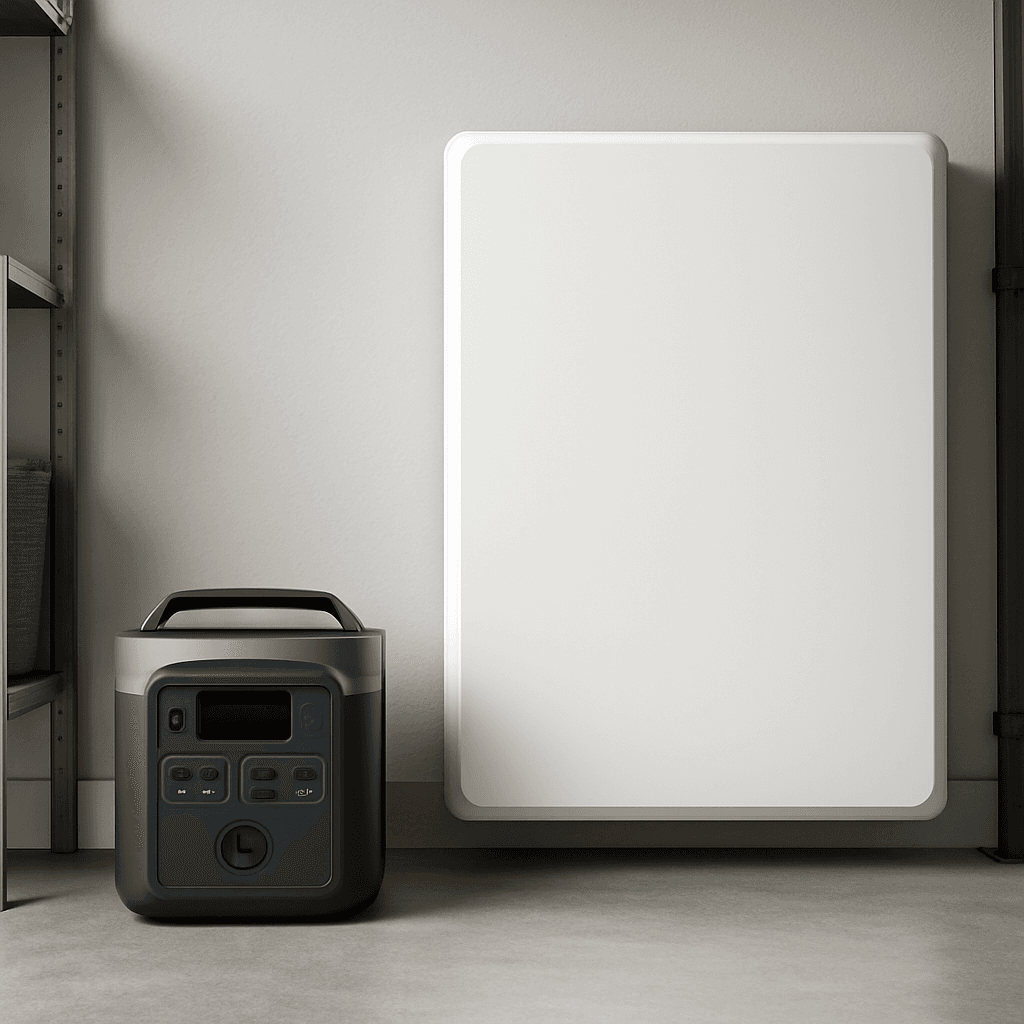
Portable Power Station vs. Whole-Home Battery System: Which Do You Actually Need?
A Tesla Powerwall costs $11,500-$16,000+ installed. A portable power station covers most of the same essentials for a fraction of that. Here's how to actually decide.
 Comparisons & Buying Guides
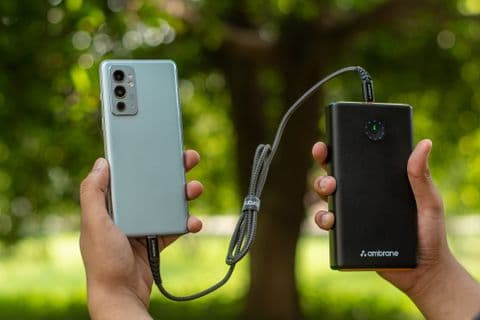
Power Bank vs. Power Station: What's the Real Difference?
They both store and dispense electricity, but a power bank and a power station aren't interchangeable. Here's what actually separates them and which one you need.
 Comparisons & Buying Guides
Can You Rent a Portable Power Station Instead of Buying One?
Renting is a real option if you only need backup power for a single trip or event. Here's where to actually rent one, real costs, and when renting beats buying.