
Can You Rent a Portable Power Station Instead of Buying One?
Yes — peer-to-peer marketplaces like Fat Llama and Yoodlize rent portable power stations for roughly $50/day, a practical option if you only need backup power for a single trip or event. Buying a power station is a $200–$3,000 commitment, which doesn't make sense for everyone — if you need real backup power for one trip, one event, or one weekend, renting is a legitimate option most people don't realize exists.
Where You Can Actually Rent One
Peer-to-peer gear rental marketplaces are the most accessible route. Fat Llama, for example, lists portable power stations from individual owners in various cities, typically running around $50/day or roughly $130–$140 for a full week, though exact pricing and availability depend entirely on what's listed near you. Yoodlize is a similar peer-to-peer marketplace that covers electronics and outdoor gear, including power stations in some areas.
For larger or commercial-grade needs — a job site, a film shoot, an outdoor event — general equipment rental companies that serve construction and event production sometimes carry solar generators or battery power stations as part of their broader generator inventory, worth a call if you're already renting other gear from one.
Availability on peer-to-peer platforms varies by city and changes as listings come and go, so treat any specific price as a rough guide, not a guarantee — check current listings for your area before planning around it.
When Renting Actually Makes Sense
- A single trip or event — a festival, a one-off camping trip, a wedding, a short power outage you're not expecting to repeat — where buying a unit you'll rarely use again isn't worth it.
- Testing before you commit — if you're unsure how much capacity you actually need, renting a mid-size unit for one trip is a cheap way to find out before spending $500+ on the wrong size.
- Occasional, unpredictable need — if backup power comes up once or twice a year at most, a few rental days per year can genuinely cost less than owning and maintaining a unit that sits unused most of the time.
When Buying Still Wins
- Emergency and disaster preparedness — see our emergency power checklist. You can't rely on a rental marketplace having availability in the exact window a storm knocks out your power; by the time you need it, everyone in your area needs it too.
- Regular use — van life, frequent camping, a CPAP machine that needs guaranteed backup, or a home office that can't afford outage downtime all justify ownership, since the math flips once you're using it more than a handful of days a year.
- Cost over time — renting at roughly $50/day adds up fast. Four or five rental trips a year can already exceed the price of an entry-level unit like a Jackery Explorer 1000 v2, at which point you're paying rental premiums for something you'd have outright owned.
The Simple Way to Decide
Add up how many days a year you'd realistically need one. If it's under a week total, renting is probably cheaper and less hassle than owning. If you're regularly reaching for backup power, or you need guaranteed availability for an emergency, buying is the safer and ultimately cheaper choice.
Frequently Asked Questions
Is renting a power station safe — will it be reliable?
Reliability depends entirely on the specific unit and lender, since peer-to-peer marketplaces don't guarantee condition the way a retailer does. Ask about the unit's age, battery health, and check reviews of the specific listing before booking, especially if you're relying on it for something important.
Do rental power stations come with solar panels?
Sometimes, but not by default — check the specific listing, since solar panels are often a separate add-on rental even when the power station itself is available.
Related Articles
 Comparisons & Buying Guides
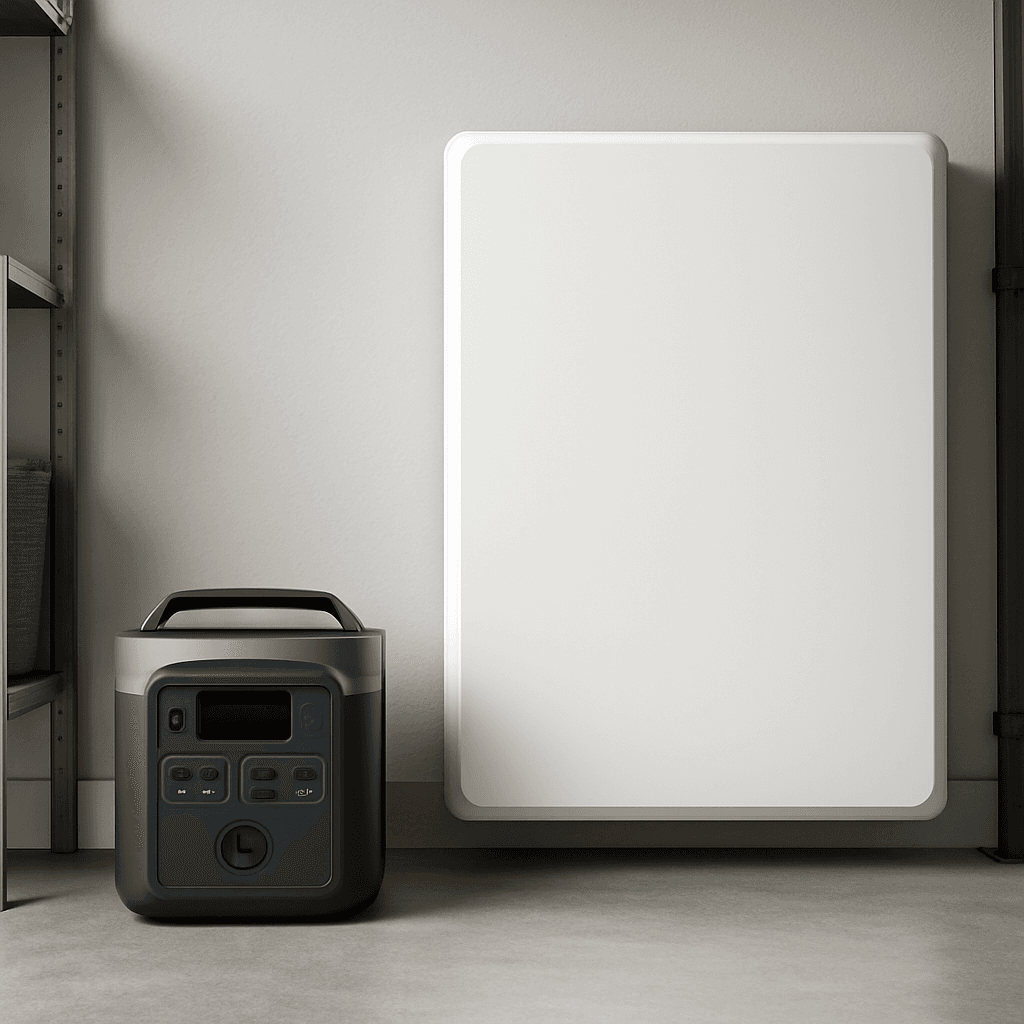
Portable Power Station vs. Whole-Home Battery System: Which Do You Actually Need?
A Tesla Powerwall costs $11,500-$16,000+ installed. A portable power station covers most of the same essentials for a fraction of that. Here's how to actually decide.
 Comparisons & Buying Guides
Power Bank vs. Power Station: What's the Real Difference?
They both store and dispense electricity, but a power bank and a power station aren't interchangeable. Here's what actually separates them and which one you need.
 Comparisons & Buying Guides
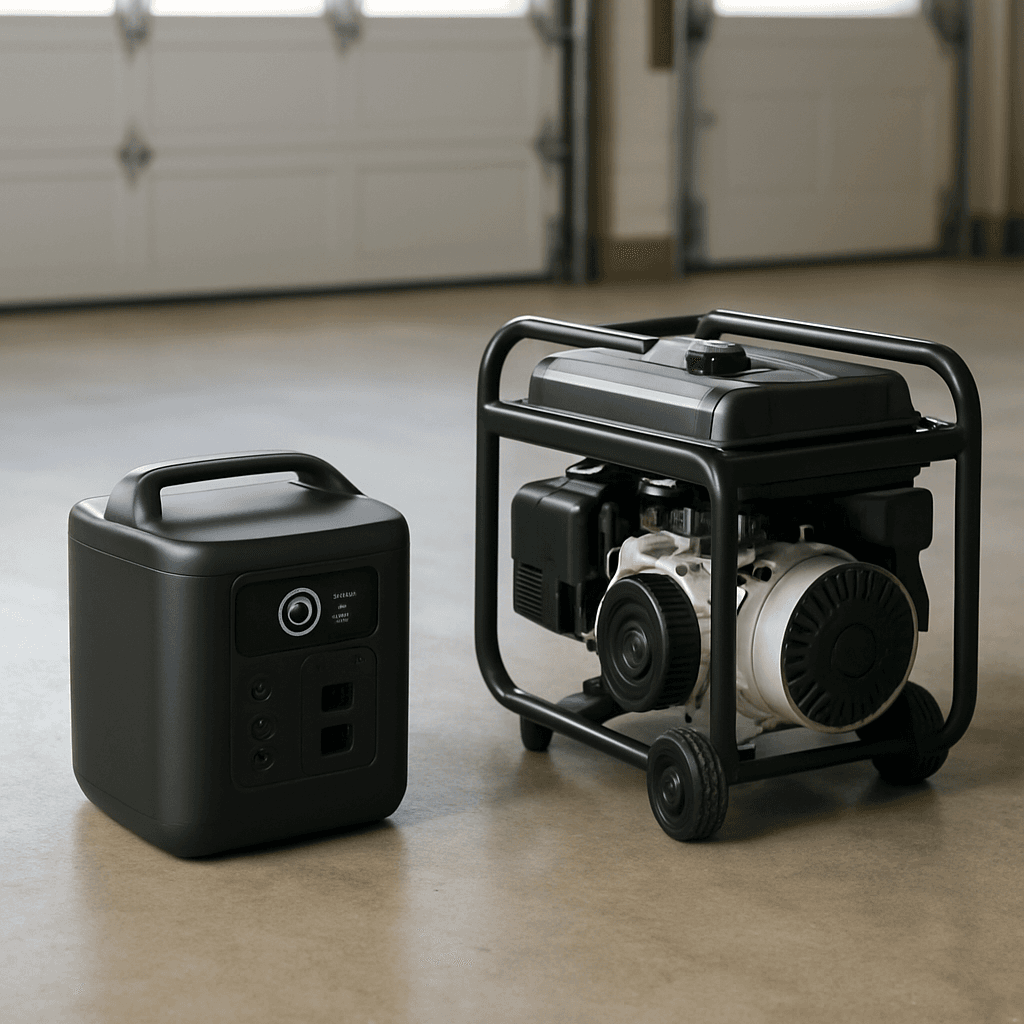
Portable Power Station vs Gas Generator: Which Is Better?
Power stations and gas generators solve the same problem differently. Here's an honest comparison of cost, runtime, noise, safety, and maintenance.