Renogy Lycan 5000 Review: Off-Grid Power Tested
This page contains affiliate links. See our affiliate disclosure.
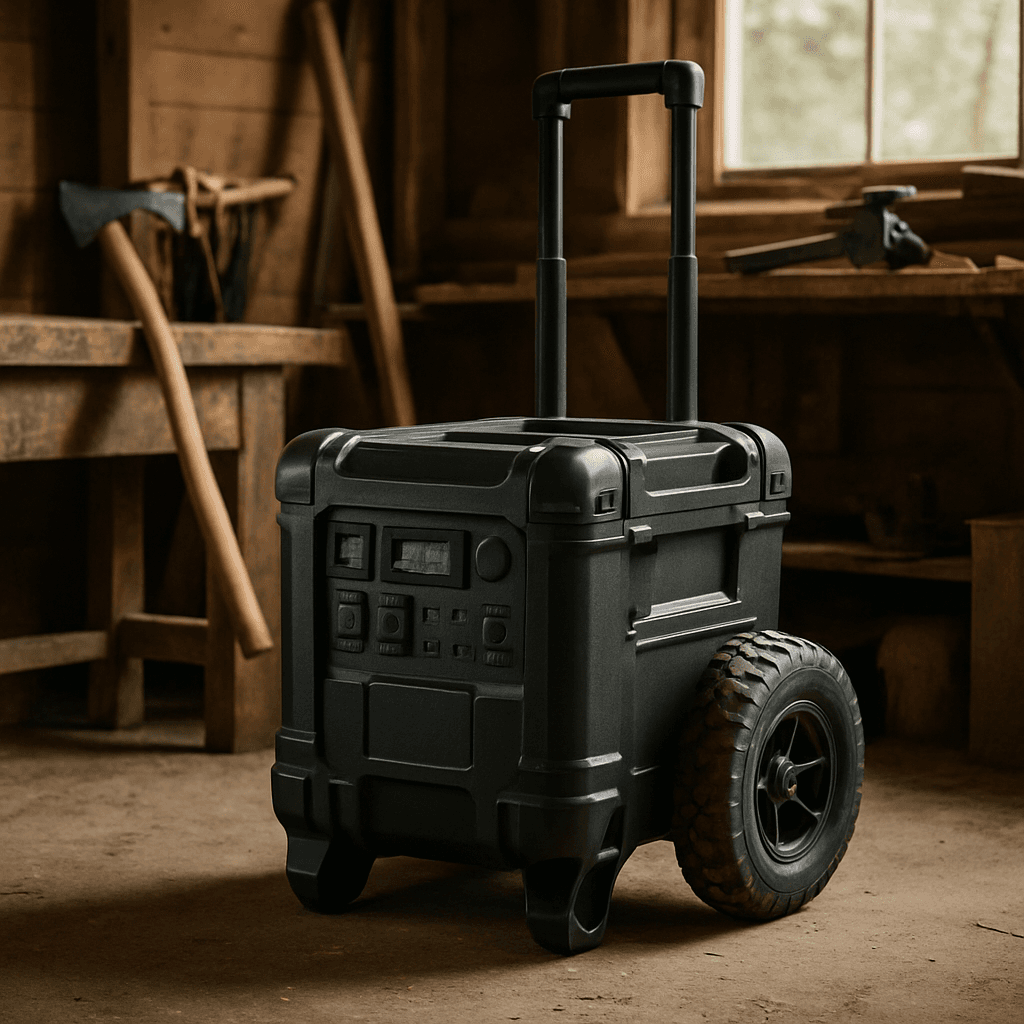
Renogy built its name in the solar panel and off-grid RV market before entering portable power stations, and the Lycan 5000 reflects that background — it's designed less like a camping accessory and more like a scaled-down off-grid power system, complete with a wheeled cart and expansion battery support.
By the Numbers
| Spec | Value |
|---|---|
| Capacity | ~5,120Wh (with expansion battery) |
| Continuous AC Output | 2,400W+ |
| Battery Chemistry | LiFePO4 |
| Form Factor | Wheeled cart with telescoping handle |
| Max Solar Input | High-wattage MPPT charging, compatible with Renogy panel lineup |
| Approx. Price | Premium tier, typically $2,500+ depending on configuration |
Strengths
- Wheeled, rugged design makes it genuinely practical to move around a cabin, job site, or campsite without lifting a 50+ lb unit by hand.
- Deep integration with Renogy's solar ecosystem — if you already own Renogy panels, compatibility and setup are simpler than mixing brands.
- Expandable capacity for buyers who want to start smaller and scale toward genuine off-grid cabin power.
- High continuous output comfortably handles power tools, well pumps, and other demanding off-grid loads.
Tradeoffs
- Premium pricing relative to Jackery, EcoFlow, and Bluetti at comparable capacity — you're paying for the off-grid-specific design and Renogy ecosystem.
- Bulkier than typical portable power stations even with wheels — this is built for semi-permanent off-grid setups, not weekend camping.
- Smaller general retail footprint than the top four brands, meaning fewer accessory options and a smaller secondhand/support community.
What This Actually Runs
- Full-size refrigerator (250W average): roughly 17–18 hours continuous on base 5,120Wh capacity
- Well pump (1,000W running, higher surge): several hours of cumulative cycling runtime per charge, well within its 2,400W+ continuous rating
- Power tools (circular saw, drill, ~1,000-1,500W intermittent): dozens of short work sessions per charge
- Multiple device charging (laptops, phones): effectively negligible impact on total runway given the unit's capacity
Where to Buy It
Unlike the mainstream brands on this site, the Lycan 5000's retail availability is narrower — check both Renogy's own site and Amazon listings for current stock and configuration options, since exact bundled accessories (expansion batteries, panel kits) can vary by retailer.
The Right Buyer
The Lycan 5000 is the right pick for off-grid cabin owners, remote property caretakers, and anyone already invested in Renogy's solar panel ecosystem who wants a power station built specifically for that use case rather than adapted from a camping product. For general home backup or camping, a Jackery Explorer 2000 Plus or EcoFlow Delta 2 Max will typically offer better value. See our best solar generator for off-grid cabins comparison for how it stacks up against alternatives.
Bottom Line
The Renogy Lycan 5000 is a specialist tool, not a generalist power station — it earns its premium price for off-grid cabin and remote-property use specifically, where its wheeled design and solar ecosystem integration matter most. For typical home backup or camping use, more mainstream brands offer better value per dollar.
Disclosure: WattStation HQ may earn a commission if you purchase through links on this page, at no extra cost to you. This does not affect our rankings — see our editorial policy.
Frequently Asked Questions
Can I use the Lycan 5000 with non-Renogy solar panels?
Yes, as long as the panels are compatible with the unit's input voltage and connector type (with an adapter if needed) — but the setup process is simplest and best-documented when paired with Renogy's own panel lineup.
Is the Lycan 5000 worth it over a Jackery or EcoFlow at similar capacity?
Only if the wheeled off-grid form factor and Renogy ecosystem integration matter to your specific use case. For portability or general home backup, Jackery and EcoFlow's comparable-capacity units are typically better value.
Related Articles
 Power Station Reviews
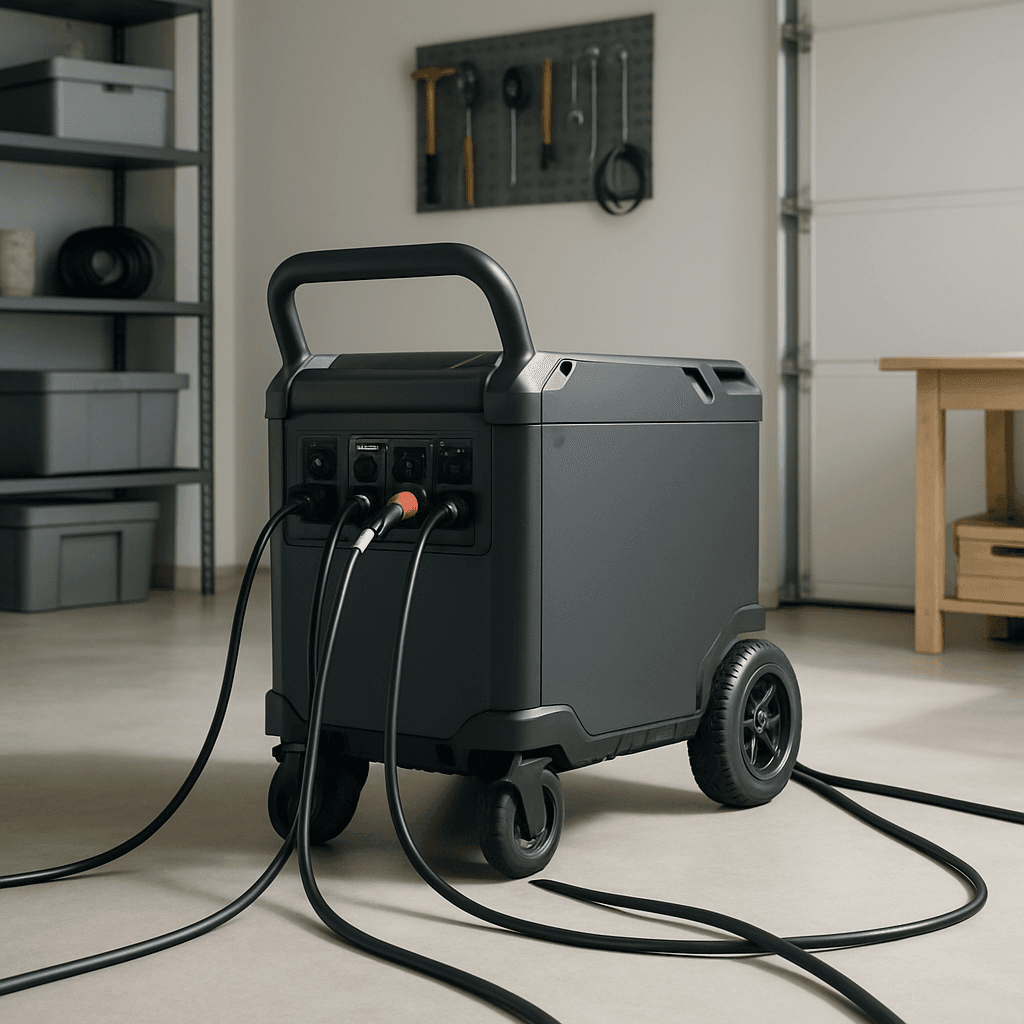
EcoFlow Delta Pro 3 Review: EcoFlow's New Flagship Tested
4,096Wh, 4,000W continuous output, and a starting price that's already dropped from $3,699 to $1,999. Here's the full breakdown of EcoFlow's new flagship power station.
 Power Station Reviews
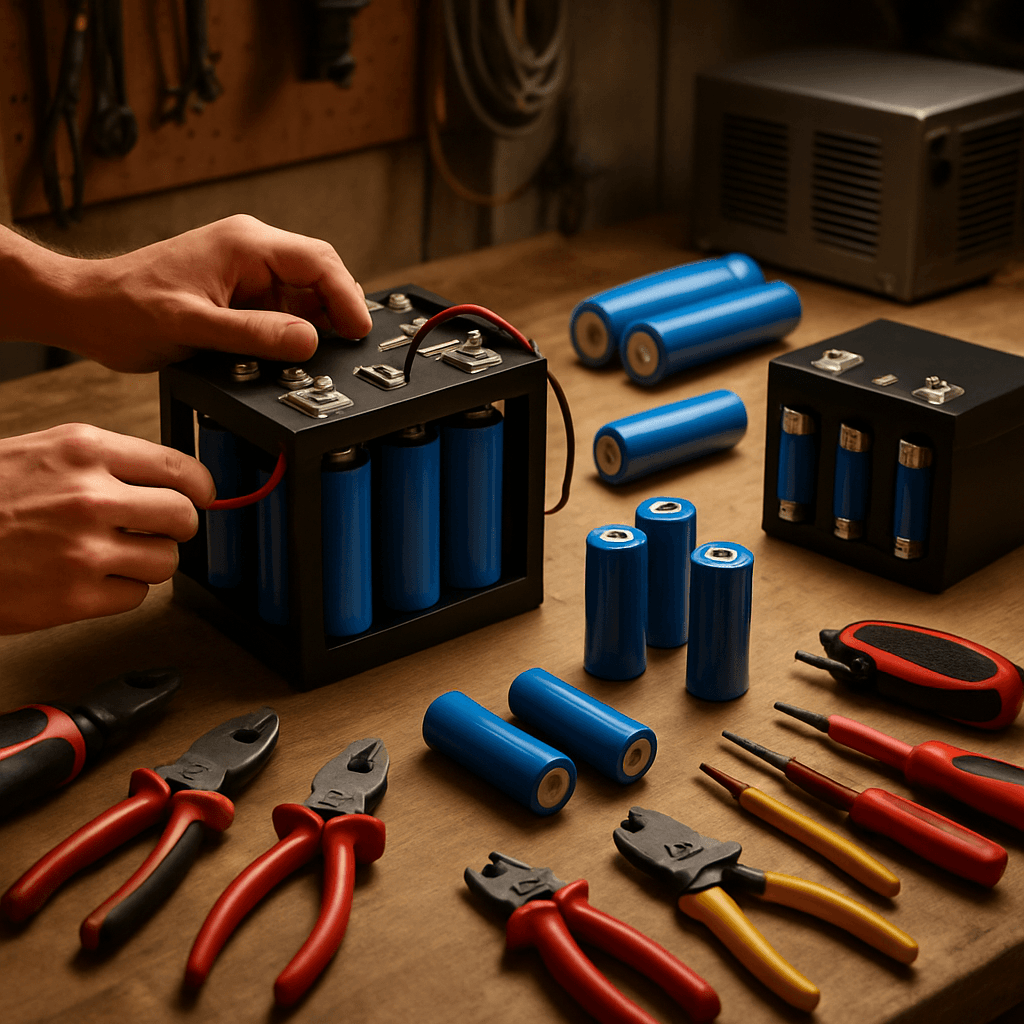
Point Zero Energy Titan Review: DIY Solar Generator
The Point Zero Energy Titan is built for modular, DIY-friendly expansion. Full specs, real-world runtime, and who this off-grid-focused power station is for.
 Power Station Reviews
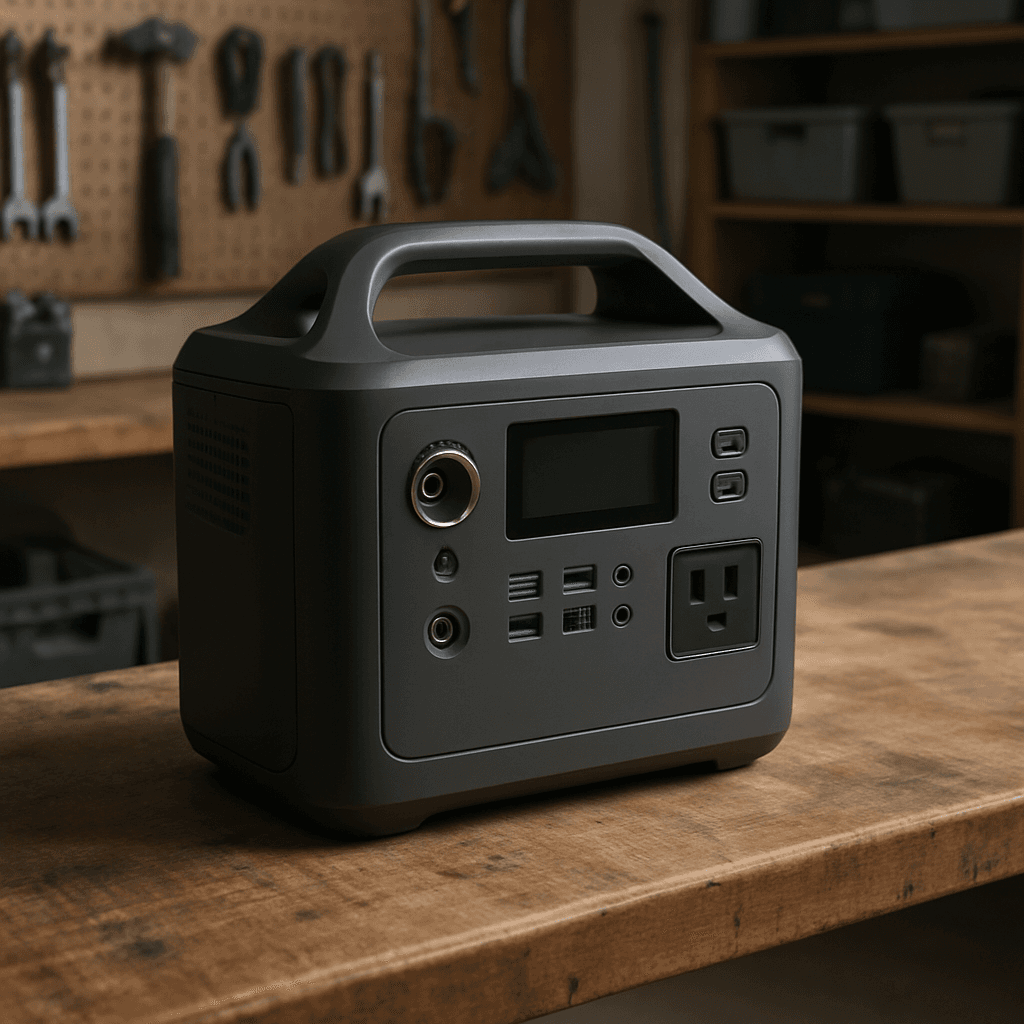
Oupes Mega 5 Review: Value for Money Analysis
The Oupes Mega 5 aims to undercut the big four brands on price without cutting core specs. Here's whether the value tradeoff actually holds up.