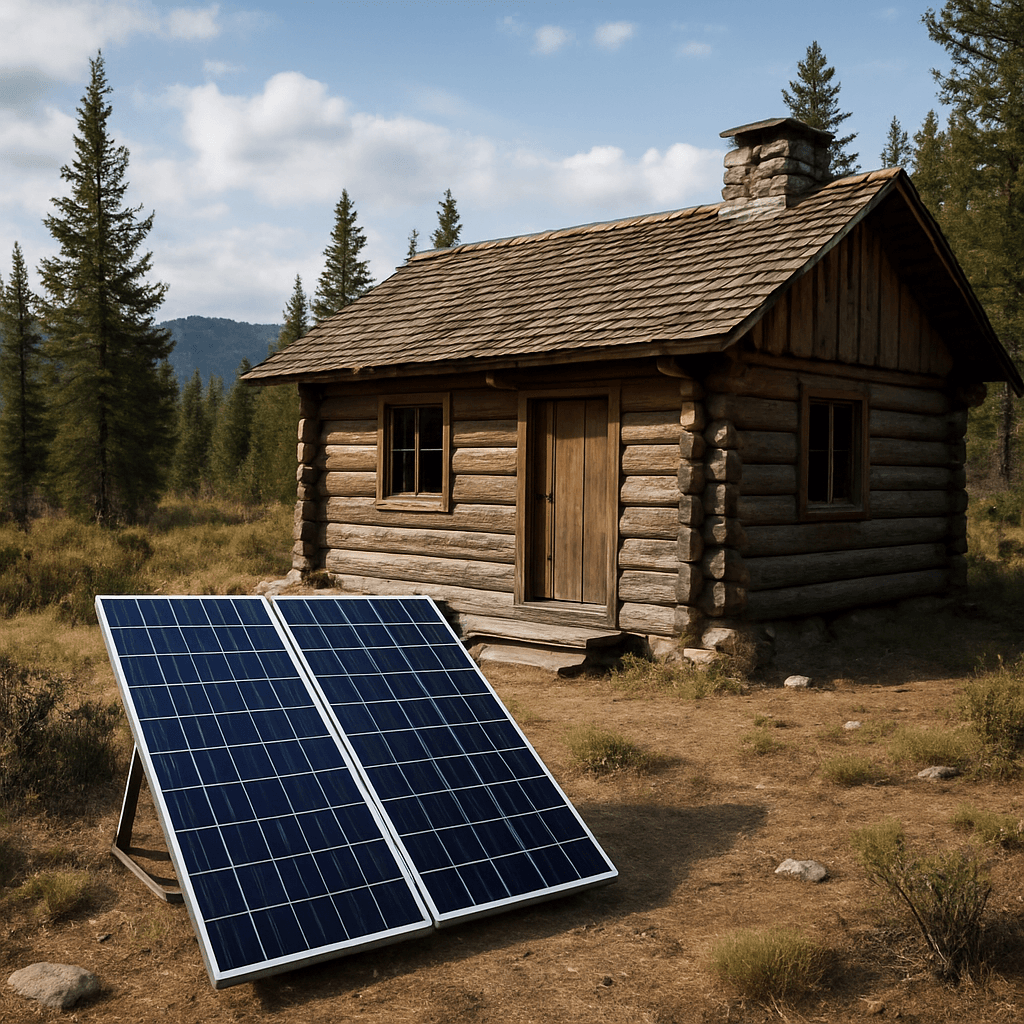
Best Solar Generator for Off-Grid Cabins
An off-grid cabin has fundamentally different power needs than camping or even RV living — you need sustained daily power, meaningful solar recharging capacity, and often room to expand as your cabin's use grows from occasional weekends to full-time living.
What Off-Grid Cabin Power Actually Requires
- Expandable capacity — starting at 2,000Wh+ with a clear path to scale up as needs grow
- High max solar input to make the most of your panel array on sunny days
- High continuous output to handle well pumps, power tools, and other cabin-specific loads
- Realistic daily energy budgeting — cabin loads (lighting, water pump, refrigeration, device charging) typically run higher than a weekend camping trip
Our Top Picks for Off-Grid Cabins
EcoFlow Delta 2 Max — 2,048Wh expandable to 6,144Wh, 2,400W output, fast AC recharge for generator backup days. A strong, mainstream-supported starting point for most cabins.
Jackery Explorer 2000 Plus — 2,042Wh expandable to 12kWh, quiet operation, strong solar recharge with a full SolarSaga panel array. The best pick for cabins planning to scale toward near-whole-cabin coverage.
Renogy Lycan 5000 — purpose-built for off-grid use with a wheeled, rugged design and deep Renogy solar ecosystem integration. Worth a look specifically if you're building a semi-permanent cabin solar setup from scratch.
For cabins wanting true whole-property coverage, the EcoFlow Delta Pro Ultra scales from 6kWh to 90kWh with a Smart Home Panel — genuine whole-home backup territory. If you'd rather build and service your own modular battery system, the Point Zero Energy Titan is worth a look for technically inclined cabin owners. And if your setup is a smaller, tiny-house-style cabin rather than a full off-grid property, see our tiny house power guide instead.
Sizing Your Solar Array
Match your panel wattage to your cabin's daily energy use divided by realistic peak sun hours (typically 4-5 hours in most of the continental US). A cabin using 3,000Wh/day would want roughly 600-750W of solar as a baseline, more if you experience frequent cloudy stretches. See our solar recharge time calculation guide for the full formula.
Backup for Extended Cloudy Stretches
Even a well-sized solar setup needs a backup plan for multi-day cloudy stretches — either battery capacity sized with a buffer, a generator for occasional recharging, or both. Cabins in northern latitudes or areas with frequent overcast weather should size more conservatively than the baseline calculation suggests.
Frequently Asked Questions
Can I run a full cabin entirely on a portable power station and solar?
For lighting, water pump, refrigeration, and device charging, yes, with proper sizing. For higher-draw needs like electric heating or a full kitchen, most cabins pair a power station system with propane or wood heat rather than relying entirely on battery power for those specific loads.
How much solar do I need for a weekend-only cabin vs. full-time living?
A weekend-only cabin can get away with a smaller array since usage is intermittent and the battery has days to recharge between visits. Full-time living requires sizing for sustained daily use, generally 2-3x the array size of a weekend-only setup for the same comfort level.
Related Articles
 Comparisons & Buying Guides
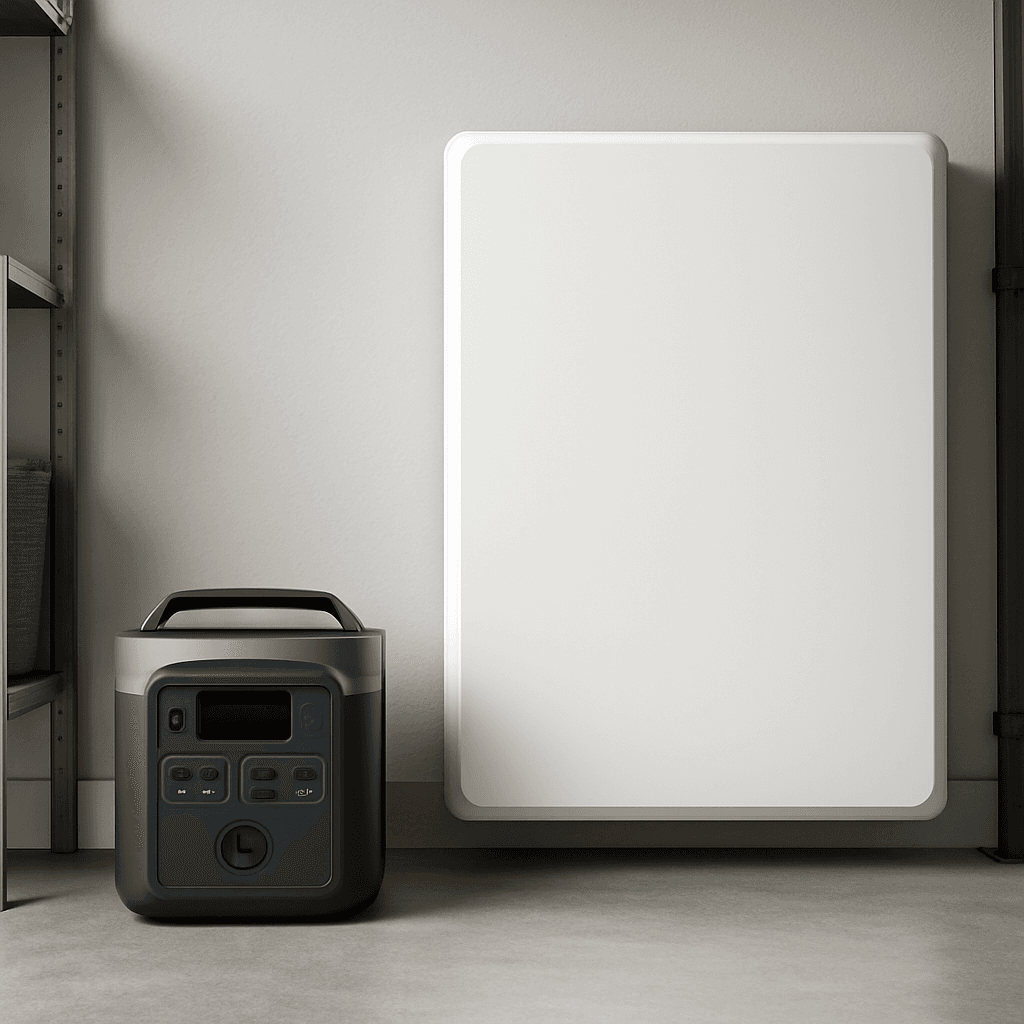
Portable Power Station vs. Whole-Home Battery System: Which Do You Actually Need?
A Tesla Powerwall costs $11,500-$16,000+ installed. A portable power station covers most of the same essentials for a fraction of that. Here's how to actually decide.
 Comparisons & Buying Guides
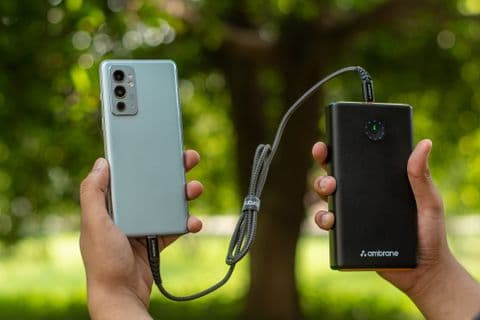
Power Bank vs. Power Station: What's the Real Difference?
They both store and dispense electricity, but a power bank and a power station aren't interchangeable. Here's what actually separates them and which one you need.
 Comparisons & Buying Guides
Can You Rent a Portable Power Station Instead of Buying One?
Renting is a real option if you only need backup power for a single trip or event. Here's where to actually rent one, real costs, and when renting beats buying.