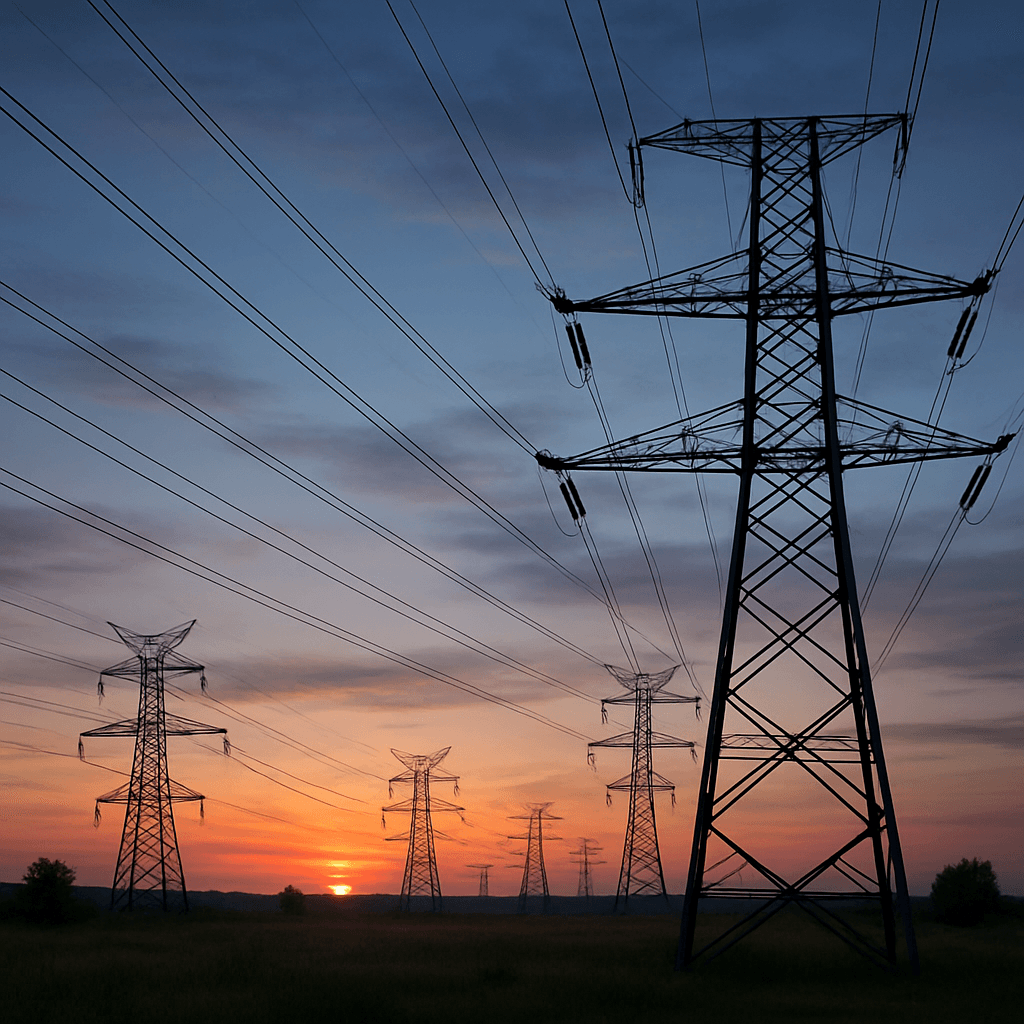
Grid reliability isn't uniform across the US — infrastructure age, climate exposure, and the pace of modernization investment all vary significantly by region, creating real differences in outage risk that matter for backup power planning.
Key Factors Driving Regional Grid Risk
- Infrastructure age — some regions operate on grid infrastructure that predates modern resilience standards, correlating with more frequent routine outages independent of severe weather.
- Climate exposure mismatch — infrastructure built for one climate pattern can be caught off guard by extreme events outside its design assumptions, as seen in Texas's 2021 winter storm. See our Texas winter storm guide.
- Wildfire risk and proactive shutoff policy — California's PSPS program represents a deliberate tradeoff (planned outages to prevent wildfire ignition) that creates its own distinct outage pattern. See our California wildfire guide.
- Hurricane and severe storm exposure — coastal and Gulf states face recurring seasonal risk that inland regions don't. See our Florida hurricane season guide.
- Grid modernization investment pace — utilities are investing in resilience upgrades (undergrounding lines, smart grid technology, vegetation management) at different rates, meaning current risk doesn't necessarily reflect future risk.
- Rare but real geomagnetic/EMP risk — a low-probability but scientifically documented threat distinct from routine weather-driven outages. See our Faraday cage protection guide for the honest risk assessment and what protection actually looks like.
How to Assess Your Own Region
Rather than relying on broad regional generalizations, check your specific utility's published reliability statistics (often available through state public utility commissions) and local news coverage of past major outage events — this gives a more accurate, current picture than a general regional overview. See our power outage statistics by state guide for how to find this data.
Grid Modernization Is Improving Things — Unevenly
Significant investment is going into grid hardening nationwide, but progress varies by utility and region, and doesn't eliminate risk from severe weather events that exceed even modernized infrastructure's design tolerances. Don't assume improving regional trends mean backup power planning is unnecessary.
Backup Power Remains a Sound Investment Regardless of Region
Even in relatively low-risk areas, unexpected severe weather or infrastructure failures happen — a well-sized power station remains a reasonable investment for nearly any household, scaled to your specific regional risk level rather than either extreme (over-preparing for unlikely scenarios or ignoring genuine regional risk).
Vegetation and Tree Cover Are an Underrated Factor
Tree-lined power lines are a real, persistent outage risk that's separate from headline severe-weather events — a routine wind gust or a single falling limb can down a line in a heavily wooded area in a way that simply doesn't happen where lines run through open terrain or are buried underground. Regions with mature tree cover and older above-ground line infrastructure tend to see more frequent small, localized outages than tree-cover alone would suggest, and vegetation management funding (how aggressively a utility trims near its lines) varies significantly between utilities even within the same state.
Rural Areas Often See Longer Restoration Times
Outage frequency and outage duration are different metrics, and rural areas often lag on the second one even when their frequency looks comparable to urban areas — a rural household may be served by a single long feeder line with fewer redundant paths, meaning a fault further down the line can affect it for longer, and repair crews simply have more distance to cover per customer restored. If you're in a rural area, weight your backup power planning toward longer expected outage duration rather than assuming your experience will match published regional averages, which tend to be pulled toward urban/suburban numbers.
Frequently Asked Questions
Is grid reliability actually improving over time?
In many regions, yes, due to ongoing infrastructure investment — but the pace varies significantly by utility, and severe weather events can still exceed even modernized infrastructure's capacity, as seen in various major storms in recent years.
How do I find out about planned grid modernization projects in my area?
Check your specific utility's website, which often publishes information about resilience investment projects, or your state's public utility commission for regulatory filings related to grid modernization spending.
Related Articles
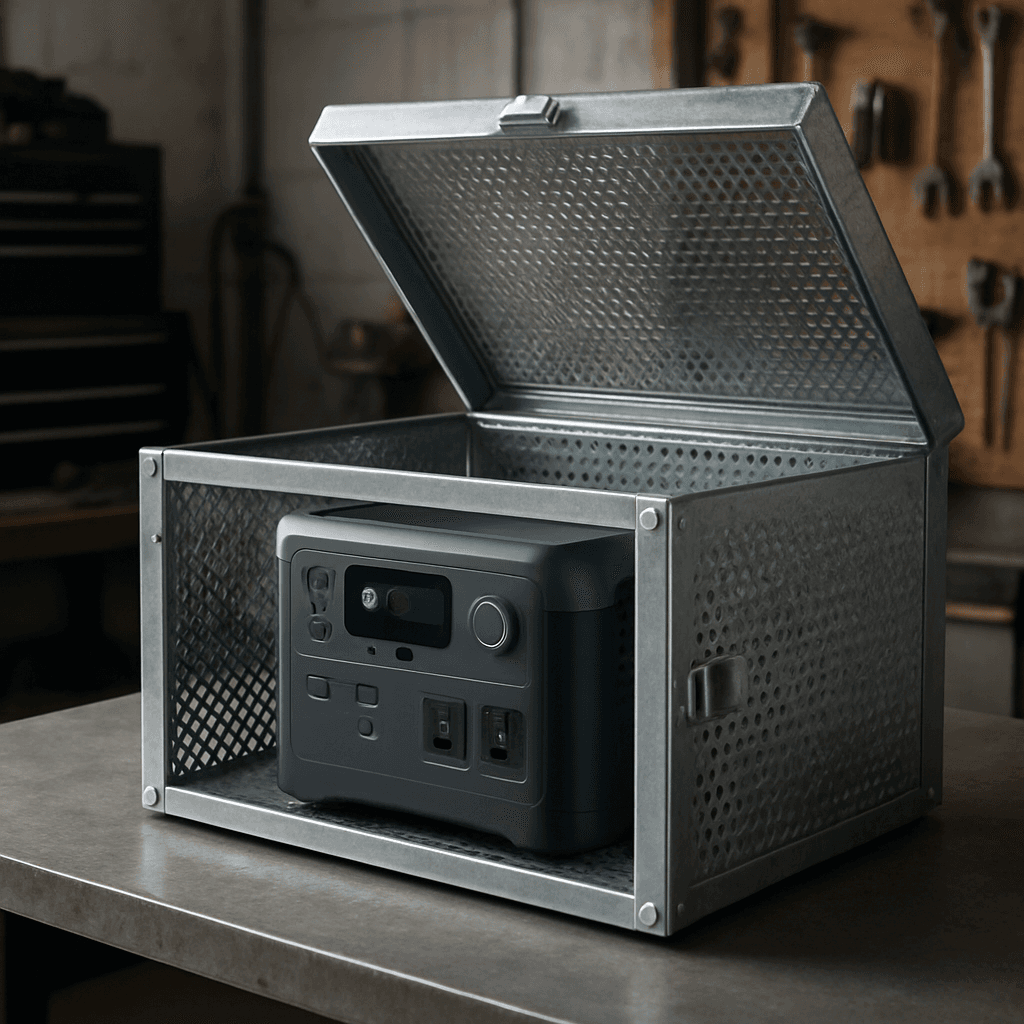 Emergency Preparedness
Can an EMP Destroy Your Power Station? What the Science Actually Says
Batteries are more EMP-resistant than most people assume, but the electronics inside a power station aren't. Here's the real science of EMP risk and Faraday cage protection.
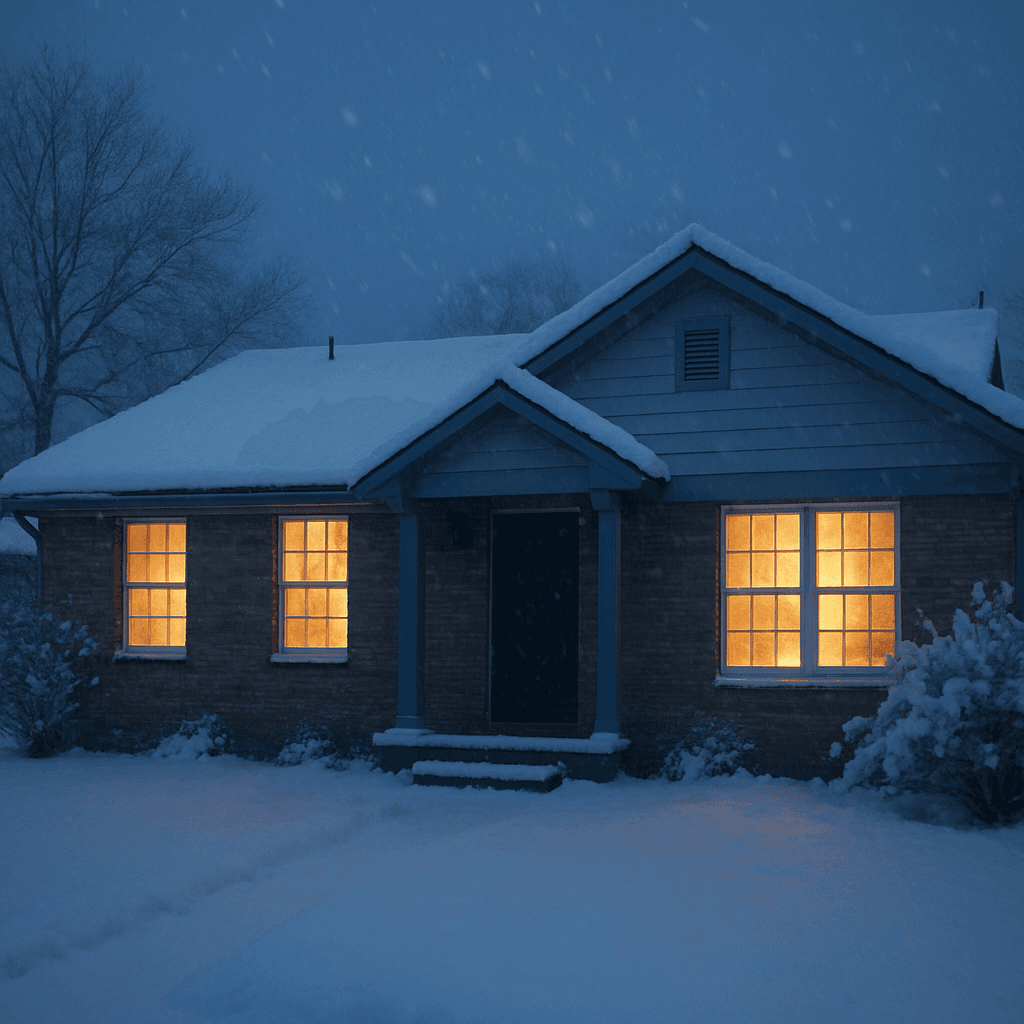 Emergency Preparedness
Winter Storm Power Outage Preparedness Guide (Texas Edition)
The 2021 Texas winter storm exposed how unprepared the grid can be for extreme cold. Here's how to plan backup power for Texas winter weather specifically.
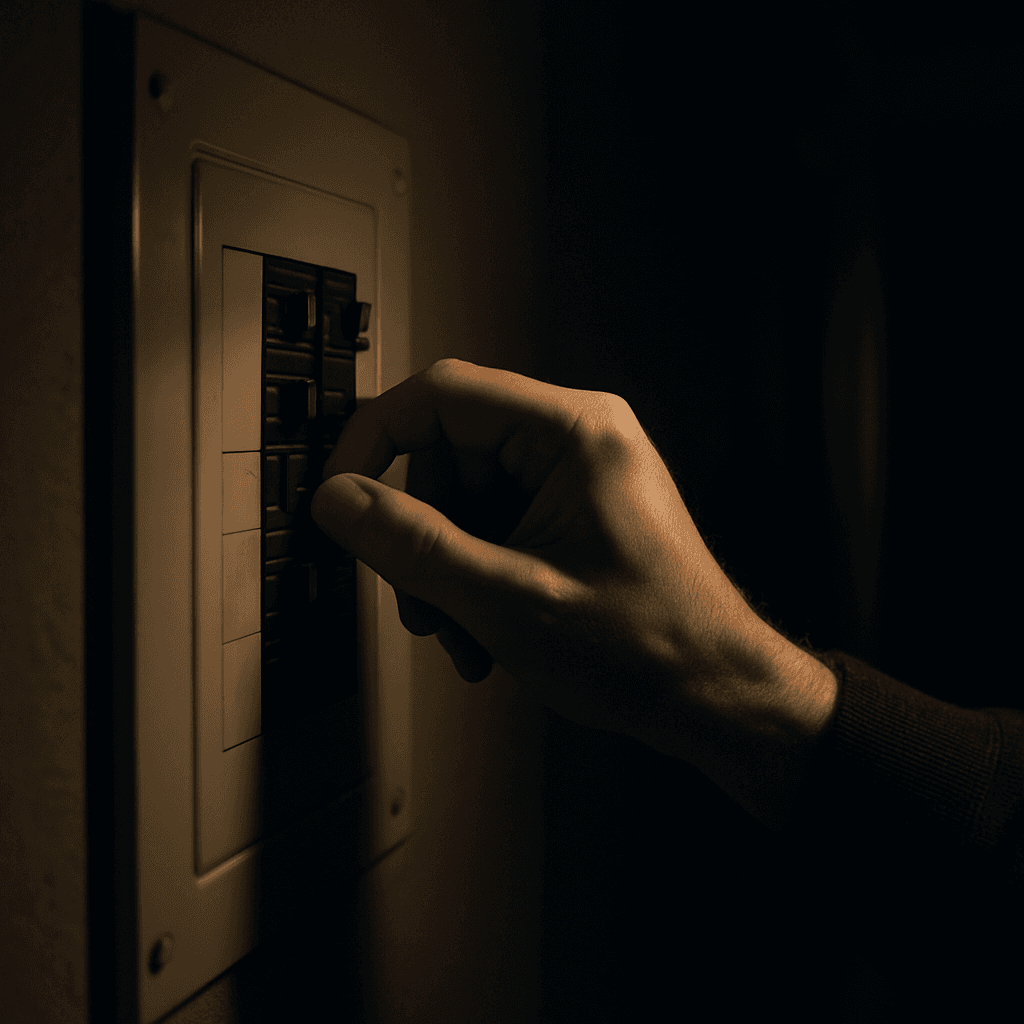 Emergency Preparedness
What to Do When the Power Goes Out: Step-by-Step Guide
The first 15 minutes after a power outage matter. Here's a clear, step-by-step guide for what to do the moment your power goes out.