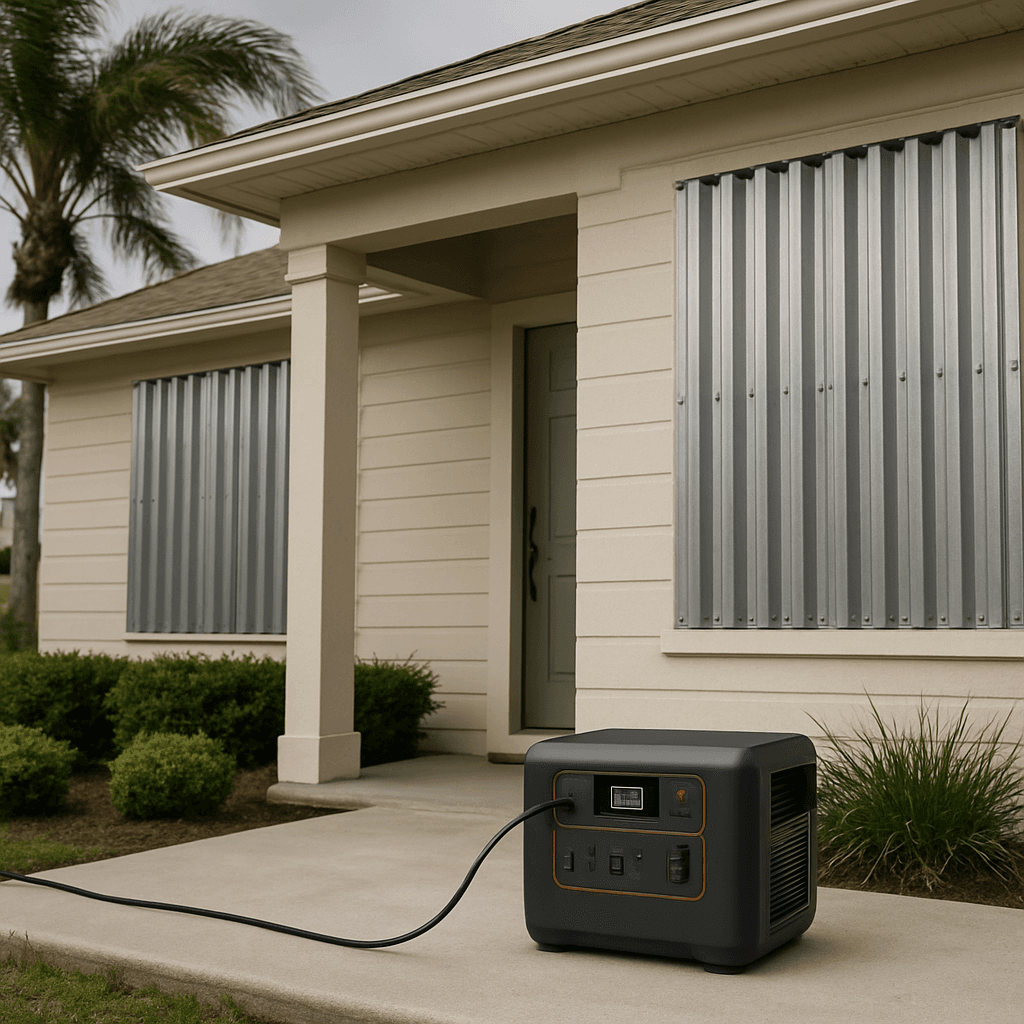
Best Backup Power Options for Florida Hurricane Season
Florida faces the highest hurricane risk of any US state, with a season running June through November and outages that can last anywhere from hours to multiple weeks after a major storm. Here's how to plan backup power specifically for Florida conditions.
Florida-Specific Considerations
- Heat and humidity make AC backup a real priority, not just a comfort issue — extended outages during summer months carry genuine heat-risk, especially for elderly residents or anyone with health conditions. See our mini split AC power guide for what's realistic.
- Extended outage duration after major storms means capacity planning should assume days, not hours, of backup need.
- Pre-storm charging is critical — once a storm is imminent, home charging becomes unreliable, so top off well before landfall is expected.
- Storm surge and flood risk in coastal areas means keeping your power station in an elevated, protected location, not ground-level storage in flood-prone zones.
Recommended Sizing for Florida Households
Given the realistic possibility of multi-day outages, we recommend Florida households size toward the higher end of typical recommendations — a EcoFlow Delta 2 Max (expandable to 6,144Wh) or Jackery Explorer 2000 Plus (expandable to 12kWh) gives genuine multi-day coverage for essentials plus limited AC relief, rather than a smaller unit that only covers a single day.
Solar Pairing Makes Sense in Florida
Florida's abundant sunshine makes solar recharging genuinely practical for extending backup power through an extended outage — pairing your power station with solar panels lets you recharge during daylight even when grid power remains down for days. See our power station and solar panel bundle guide for good combinations.
Pre-Season Checklist
- Test your power station and confirm full charge capability before June 1st
- Confirm your essential device list (medical equipment, fridge, communication devices) and verify your capacity covers them — use our wattage sizing guide
- Store your unit somewhere elevated and protected from potential flooding
- Build a complete 72-hour emergency power kit around your power station
See our complete hurricane preparedness checklist for the full non-power-specific emergency planning as well.
Evacuation Zones Change Your Planning
Florida's evacuation zone system (A through E in most counties, with A at highest risk) should directly inform whether you're planning for sheltering in place or evacuating — if you're in a mandatory evacuation zone for an approaching storm, your power station becomes a grab-and-go item for wherever you're relocating to, not a home-backup fixture. Know your specific zone before hurricane season starts (check your county's official emergency management site), since this determines which planning scenario actually applies to your household.
Keep Records for Insurance After the Storm
If a hurricane causes property damage, having documentation matters for insurance claims — photograph your home and belongings before hurricane season as a baseline, and keep your power station charged specifically so you can photograph any storm damage promptly afterward if your phone or camera needs a charge and grid power isn't yet restored. This is a secondary but genuinely practical reason backup power matters beyond just running the fridge and lights.
Frequently Asked Questions
How long should Florida households plan for outages after a hurricane?
Plan for at least 5-7 days for a significant storm, and longer for a direct major hurricane hit — restoration timelines vary widely based on storm severity and infrastructure damage in your specific area.
Is it safe to run a power station during an active hurricane?
Yes, power stations are safe to use indoors during active weather, unlike a gas generator. Just ensure the unit itself is in a stable, protected location away from windows and potential water intrusion.
Related Articles
 Emergency Preparedness
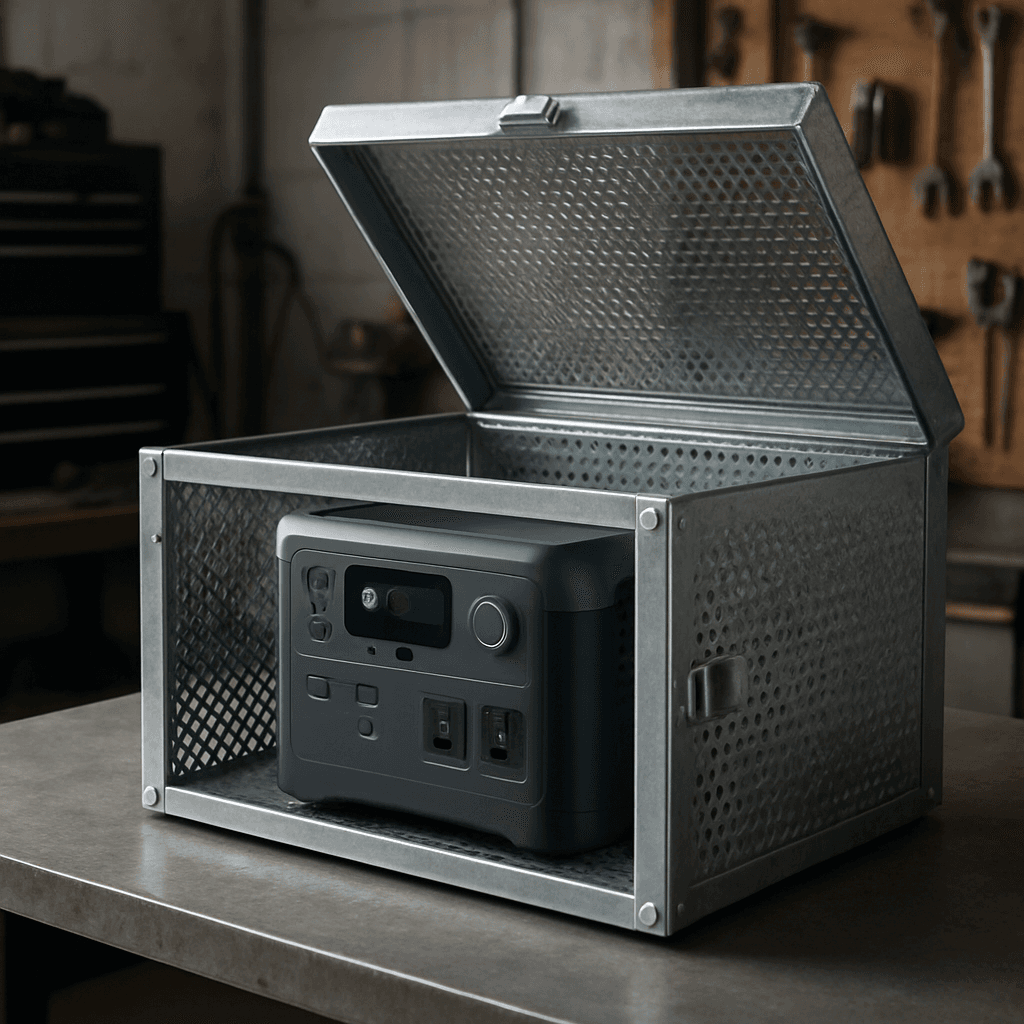
Can an EMP Destroy Your Power Station? What the Science Actually Says
Batteries are more EMP-resistant than most people assume, but the electronics inside a power station aren't. Here's the real science of EMP risk and Faraday cage protection.
 Emergency Preparedness
Winter Storm Power Outage Preparedness Guide (Texas Edition)
The 2021 Texas winter storm exposed how unprepared the grid can be for extreme cold. Here's how to plan backup power for Texas winter weather specifically.
 Emergency Preparedness
What to Do When the Power Goes Out: Step-by-Step Guide
The first 15 minutes after a power outage matter. Here's a clear, step-by-step guide for what to do the moment your power goes out.