California Wildfire Season: Backup Power Planning Guide
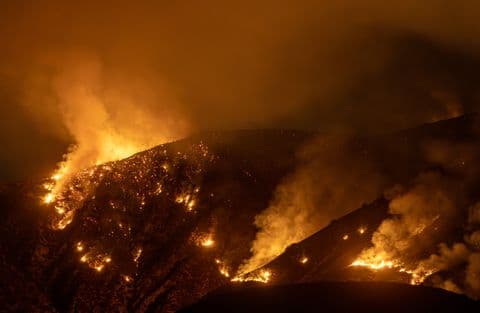
California wildfire season brings a specific outage pattern most other states don't face: Public Safety Power Shutoffs (PSPS), where utilities proactively cut power during high fire-risk weather to prevent equipment from sparking wildfires. This creates planned, predictable — but still disruptive — outages.
What Makes PSPS Outages Different
Unlike storm-related outages, PSPS shutoffs are often announced in advance (sometimes 24-48 hours ahead), giving you a real opportunity to fully charge your power station before the outage begins — a genuine advantage over reactive emergency prep. However, PSPS events can also last multiple days depending on weather conditions, and can recur multiple times in a single fire season.
Planning Around Advance Notice
Since PSPS events are typically announced ahead of time, sign up for your utility's PSPS alerts and treat any notification as your cue to immediately begin charging your power station to full capacity, well before the shutoff window begins.
Wildfire Smoke and Air Quality Considerations
During wildfire season, poor air quality often means keeping windows closed and running air purifiers — which adds another priority load to your power station planning beyond the usual fridge/medical/lighting essentials. A HEPA air purifier typically draws 30-80W, a manageable addition to most setups. California's fire-prone regions also run hot in summer — see our extreme heat guide for how sustained high temperatures affect your unit's storage and long-term lifespan, separate from the wildfire risk itself.
Recommended Sizing
Given PSPS events can recur multiple times per season and sometimes extend multiple days, a EcoFlow Delta 2 Max or similar expandable unit provides better repeated-use resilience than a smaller single-charge unit, since you'll likely be relying on it more than once per season.
Solar Charging During Wildfire Season
Be aware that heavy wildfire smoke can meaningfully reduce solar panel output by blocking sunlight, similar to heavy cloud cover — don't assume normal solar recharge rates during active smoke events, and rely more heavily on your power station's pre-charged capacity during PSPS events specifically.
Evacuation Considerations
Unlike a hurricane where you typically shelter in place, wildfire risk sometimes means evacuation is necessary — keep your power station charged and easily grab-and-go if you're in an evacuation-risk area, since it can provide power for phone charging and essentials at a temporary location too.
Repeated PSPS Events Mean More Charge Cycles Than Other Regions
Because a single household can experience multiple separate PSPS shutoffs within one fire season — unlike a hurricane-prone region that might see one or two major storm outages per year — your power station goes through meaningfully more charge-discharge cycles annually if you're relying on it heavily each time. This isn't a safety concern for a modern LiFePO4 unit (rated for 3,000-4,000+ cycles), but it's worth factoring into your capacity planning: sizing slightly larger than your bare-minimum need reduces how deeply you cycle the battery each event, which is a reasonable, low-effort way to extend the unit's usable years if you expect to lean on it repeatedly every season.
Checking Your Specific Address's PSPS History
CAL FIRE and individual utilities (PG&E, SCE, SDG&E) publish historical PSPS event maps and data by area — checking your specific address's past shutoff frequency gives a far more useful planning number than a general "California wildfire season" statistic, since risk varies enormously between a dense urban area and a high-fire-risk foothill community even within the same utility territory.
Frequently Asked Questions
How much advance notice do PSPS shutoffs typically give?
It varies, but utilities often provide 24-48 hours notice when conditions allow, though severe, fast-moving fire weather can sometimes shorten this window. Sign up for your utility's specific alert system for the most accurate notice for your area.
Can I use my power station during an active wildfire evacuation?
Yes — a portable power station is a reasonable item to bring during evacuation, providing power for phone charging, lighting, and small essentials at a temporary location, as long as it's safely transportable and doesn't compromise your evacuation speed.
Related Articles
 Emergency Preparedness
Can an EMP Destroy Your Power Station? What the Science Actually Says
Batteries are more EMP-resistant than most people assume, but the electronics inside a power station aren't. Here's the real science of EMP risk and Faraday cage protection.
 Emergency Preparedness
Winter Storm Power Outage Preparedness Guide (Texas Edition)
The 2021 Texas winter storm exposed how unprepared the grid can be for extreme cold. Here's how to plan backup power for Texas winter weather specifically.
 Emergency Preparedness
What to Do When the Power Goes Out: Step-by-Step Guide
The first 15 minutes after a power outage matter. Here's a clear, step-by-step guide for what to do the moment your power goes out.