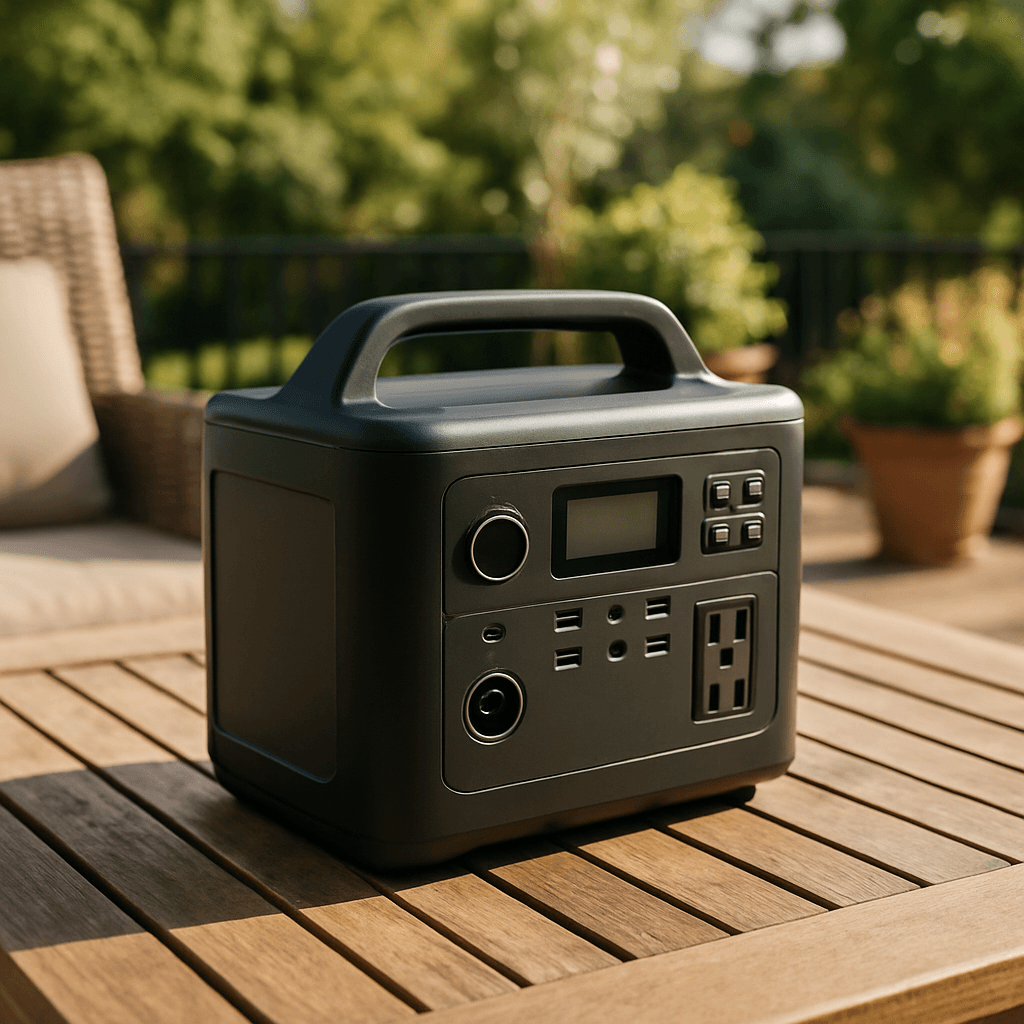
The under-$1000 range is the sweet spot where power stations stop being camping accessories and start being genuine home backup tools — enough capacity to cover a fridge, medical equipment, and lighting through a multi-day outage, without stepping into the $1,500+ expandable-system tier.
What to Expect at This Price Point
Under $1,000 typically buys 1,000-2,100Wh of LiFePO4 capacity with 1,500-2,600W continuous output — enough for most single-household emergency backup needs, though not the multi-day whole-home coverage of larger expandable systems. See our wattage sizing guide to confirm this range covers your actual needs before buying.
Our Top Picks Under $1,000
Jackery Explorer 1000 v2 — $429-599 on sale, 1,070Wh, 1,500W output. The best all-around pick in this range: genuinely portable at 23.8 lbs with a full recharge in about an hour.
Anker SOLIX C1000 — $429-799 on sale, 1,056Wh, 1,800W output. Best output-per-dollar in this range when caught on sale.
EcoFlow Delta 2 Max — frequently around $849 on sale, 2,048Wh, 2,400W output. The best pick if you want to stretch your budget toward genuine multi-day capacity rather than pure portability.
Comparison Table
| Model | Capacity | Output | Typical Sale Price |
|---|---|---|---|
| Jackery Explorer 1000 v2 | 1,070Wh | 1,500W | $429-599 |
| Anker SOLIX C1000 | 1,056Wh | 1,800W | $429-799 |
| EcoFlow Delta 2 Max | 2,048Wh | 2,400W | ~$849 |
How to Decide Between Them
If portability is your priority (camping, apartment storage, moving it around often), go with the Jackery Explorer 1000 v2. If you want maximum output per dollar and don't mind less brand history, the Anker SOLIX C1000 is the strongest value play. If you're willing to spend closer to the $1,000 ceiling for meaningfully more capacity, the EcoFlow Delta 2 Max nearly doubles your watt-hours for a modest price increase over the other two.
What You're Giving Up Compared to Pricier Units
At this price point, you generally don't get expandable battery capacity (the ability to add packs later) — that feature starts appearing more consistently above $1,000 with units like the Jackery Explorer 2000 Plus. You also won't find the fastest-in-class charging speeds of premium units like the Anker SOLIX F2000. For most single-household backup needs, neither limitation is a dealbreaker. If you need this capacity for a commercial setting instead, see our construction site power stations guide for job-site-specific sizing.
Frequently Asked Questions
Is it worth waiting to save for a $1,500+ expandable unit instead?
Only if you specifically anticipate needing more than 2,000Wh of capacity or want to scale up over time. For most single-household backup and camping needs, a sub-$1,000 unit is genuinely sufficient — see our full sizing guide to check your actual requirements.
Do any under-$1,000 power stations support solar charging?
Yes — all three picks above support solar charging via a compatible panel, though max solar input wattage varies by model. Check each product's specific solar input rating if fast solar recharging is a priority.
Related Articles
 Comparisons & Buying Guides
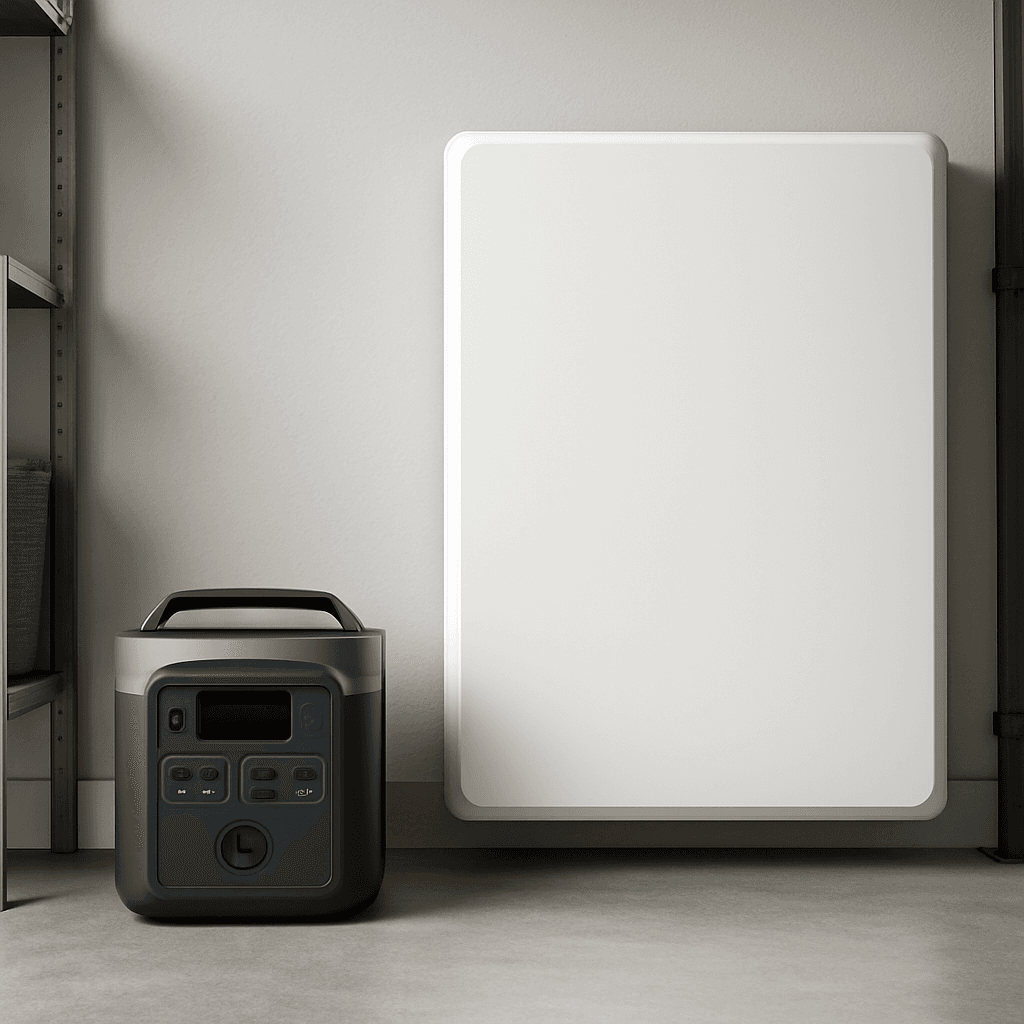
Portable Power Station vs. Whole-Home Battery System: Which Do You Actually Need?
A Tesla Powerwall costs $11,500-$16,000+ installed. A portable power station covers most of the same essentials for a fraction of that. Here's how to actually decide.
 Comparisons & Buying Guides
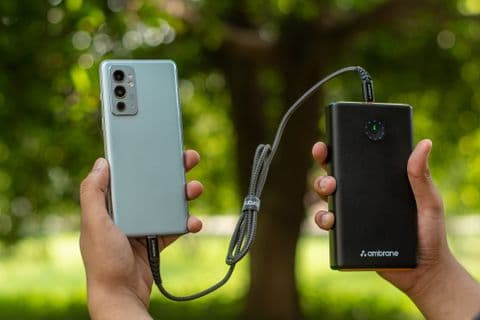
Power Bank vs. Power Station: What's the Real Difference?
They both store and dispense electricity, but a power bank and a power station aren't interchangeable. Here's what actually separates them and which one you need.
 Comparisons & Buying Guides
Can You Rent a Portable Power Station Instead of Buying One?
Renting is a real option if you only need backup power for a single trip or event. Here's where to actually rent one, real costs, and when renting beats buying.