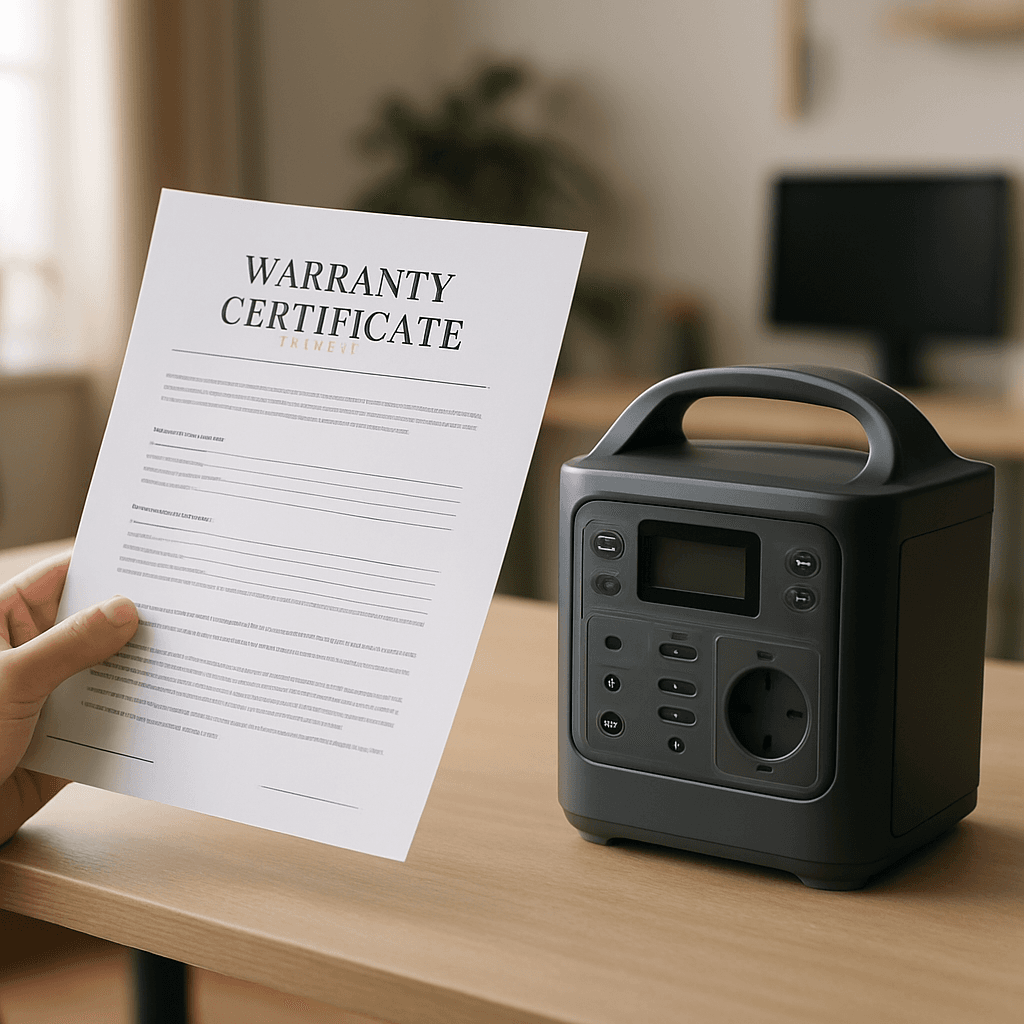
Power Station Warranty Comparison: What's Actually Covered
Warranty coverage is an easy spec to overlook when comparing power stations by capacity and price alone, but given these are products you're trusting for genuine emergencies, understanding what's actually covered matters.
What to Check in Any Power Station Warranty
- Warranty length — mainstream brands typically offer 2-5 years, varying by model and sometimes extendable through registration or purchase.
- What's covered — most warranties cover manufacturing defects and battery capacity degradation beyond expected levels, but check specifically whether accidental damage or normal wear is excluded (it usually is).
- Where support is based — confirm the brand has active US-based customer support and service, not just a warranty claim process routed through an overseas manufacturer with limited responsiveness.
- Registration requirements — some warranties require product registration within a specific window after purchase to be fully valid; don't skip this step.
General Warranty Patterns by Brand Tier
Established major brands (Jackery, EcoFlow, Bluetti, Anker): Generally offer 2-5 year warranties with active US support infrastructure, reflecting their longer market presence and larger service networks.
Challenger/budget brands (like Oupes and similar): Warranty terms vary more and should be verified directly and carefully before purchase, since coverage length and support responsiveness can differ significantly from the established players — see our Oupes Mega 5 review for more on this specific tradeoff.
Specialist/niche brands (Renogy, Point Zero Energy): Often have smaller support infrastructure but more direct access to specialized technical support for their specific product line — a different tradeoff than mainstream brands, not necessarily worse, but worth understanding before buying.
Extended Warranty Options
Some brands and retailers offer extended warranty purchases beyond the standard coverage — worth considering for expensive, expandable systems where you have significant investment at stake, though evaluate the extended warranty's actual terms carefully rather than assuming it's automatically worthwhile.
What Voids Most Warranties
Common warranty-voiding actions include using non-manufacturer chargers or accessories, unauthorized disassembly or modification, and damage from clearly improper use (submersion without an appropriate rating, extreme heat exposure beyond rated limits). Following basic care guidelines, as covered in our maintenance guide, keeps your warranty intact.
How to Actually File a Claim
Most brands follow a similar process: register your product soon after purchase if required, keep your original receipt or order confirmation (proof of purchase date is essential), and contact the manufacturer directly through their support portal rather than the retailer once you suspect an issue — retailers typically only handle their own short-window return policy, not the multi-year manufacturer warranty. Be ready to describe the specific issue clearly and provide the unit's serial number; most manufacturers will troubleshoot remotely first (a firmware update, a specific reset procedure) before approving a repair or replacement, so don't expect an instant swap for a problem that might have a simpler fix.
Buying From a Third-Party Retailer vs. Direct
Buying through a major retailer (Amazon, Best Buy, a manufacturer's own site) generally doesn't affect your manufacturer warranty as long as the unit is genuinely new and sold by an authorized seller — but be cautious with heavily discounted listings from unfamiliar third-party marketplace sellers, since counterfeit or gray-market units (intended for a different region, or refurbished without disclosure) can complicate or void warranty claims even though the product looks identical. When a deal seems unusually good relative to the same model elsewhere, verify the seller is authorized before assuming full warranty coverage applies.
Frequently Asked Questions
Does battery capacity degradation count as a warranty issue?
Generally, warranties cover capacity degradation beyond what's expected for normal use within the warranty period, but some capacity loss over time is expected and normal — check your specific brand's exact terms for what capacity threshold triggers warranty coverage.
Should I always buy an extended warranty?
Not necessarily — for lower-cost units, the extended warranty cost relative to the product price may not be worthwhile. For larger, expensive expandable systems, it's more often worth serious consideration, but always review the specific terms rather than buying reflexively.
Related Articles
 Solar & Technical Guides
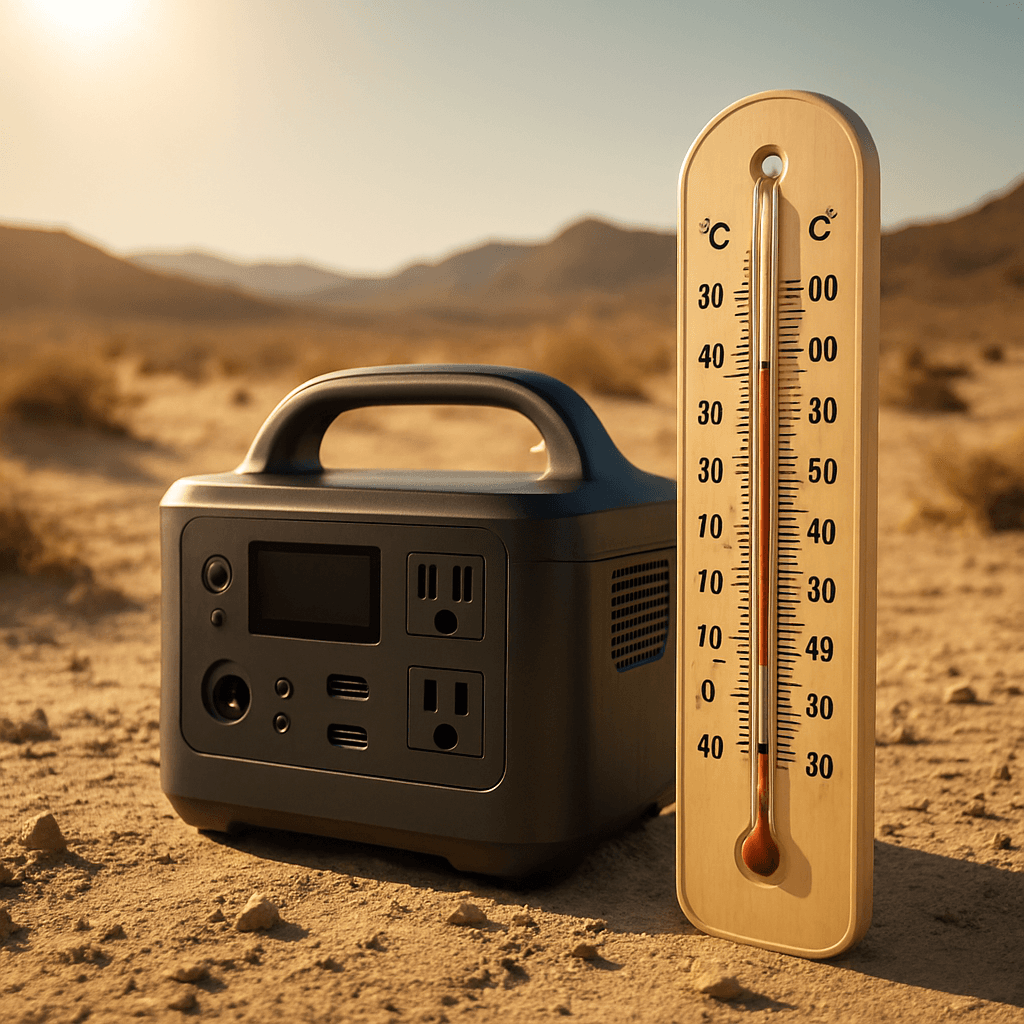
How Extreme Heat Affects Your Power Station (And What Desert Climates Need to Know)
Sustained heat above 113°F can cut a power station's usable lifespan roughly in half. Here's the real degradation math and what to actually do about it in hot climates.
 Solar & Technical Guides
Do Portable Power Stations Qualify for Tax Credits or Rebates?
Most portable power stations don't qualify for the federal battery tax credit — here's why, which setups actually might, and where state and utility rebates can still help.
 Solar & Technical Guides
How Much Does It Actually Cost to Run a Power Station vs. Grid Electricity?
A power station doesn't generate cheaper electricity — it stores grid or solar power for later. Here's the honest math on what that actually costs you per kWh.