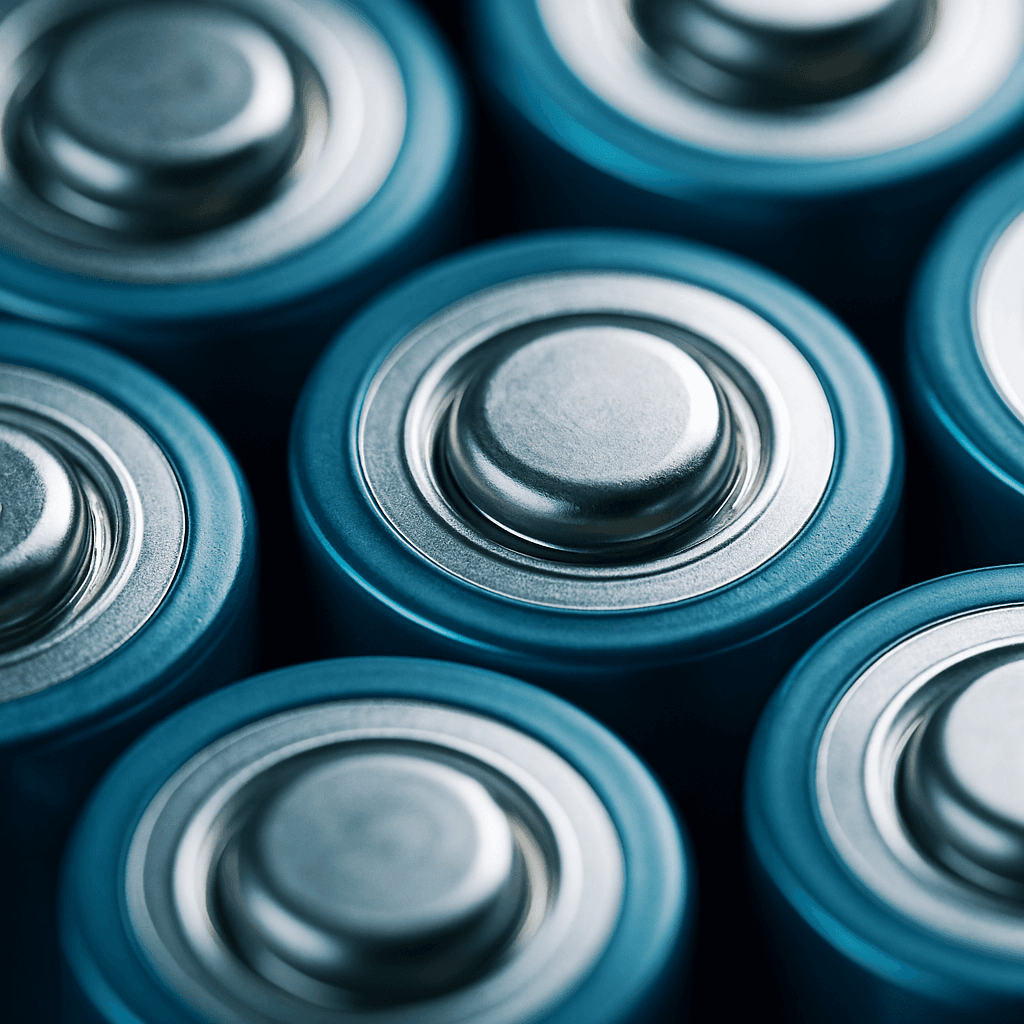
How Long Do Power Station Batteries Last? Lifespan Explained
Most modern LiFePO4 power stations are rated for 3,000–4,000 charge cycles (some premium units 6,000+) before dropping to 80% of original capacity — for typical occasional use, that translates to years or even decades, since most households don't come close to a full cycle every day. Battery lifespan is one of the most misunderstood specs when shopping for a power station — it's measured in charge cycles, not calendar time, which means your actual usage pattern determines how many years that translates to.
Understanding Cycle Ratings
A "cycle" is one full charge-discharge (0-100%-0%), though partial charges count proportionally (two 50% discharges equal one full cycle). Manufacturers rate cycle life to a specific capacity threshold — commonly "80% capacity retention," meaning the battery still holds 80% of its original capacity at that cycle count, not that it stops working entirely.
Typical Cycle Ratings by Chemistry
| Battery Type | Typical Cycle Life (to 80%) |
|---|---|
| Older lithium-ion (NMC) | 500-1,000 cycles |
| Standard LiFePO4 | 3,000-4,000 cycles |
| Premium LiFePO4 (like Bluetti's Elite 200 V2) | Up to 6,000+ cycles |
See our lithium-ion vs LiFePO4 comparison for the full chemistry breakdown behind these numbers.
Converting Cycles to Real Years
| Usage Pattern | 3,000-Cycle Battery | 6,000-Cycle Battery |
|---|---|---|
| Weekly full cycle (occasional use) | ~57 years (theoretical) | ~115 years (theoretical) |
| Daily full cycle (heavy use, e.g., full-time van life) | ~8.2 years | ~16.4 years |
Most households doing occasional emergency backup or camping use fall well short of even a weekly full cycle, meaning cycle life is rarely the limiting factor for typical use — calendar aging (general component wear over time) becomes more relevant than cycle count for light users.
What Actually Shortens Battery Lifespan
- Extreme temperature exposure — both very hot and very cold conditions accelerate battery aging; see our cold weather performance guide and extreme heat guide for the specific numbers behind each.
- Storing at 0% or 100% for extended periods — most manufacturers recommend storing around 50-60% charge for long-term storage between uses.
- Using non-manufacturer chargers or accessories not designed for your specific unit.
See our maintenance guide for the full best-practices list to maximize your unit's real-world lifespan.
Frequently Asked Questions
Does a power station stop working once it hits its rated cycle count?
No — the cycle rating refers to when the battery drops to roughly 80% of its original capacity, not when it fails entirely. Most units continue functioning well beyond their rated cycle count, just with gradually reduced total capacity.
Is a higher cycle rating worth paying more for?
It depends on your usage pattern — for occasional camping or emergency backup use, even a 3,000-cycle battery will likely outlast your interest in the product itself. For heavy daily use (full-time van life, frequent business use), a higher cycle rating like the Bluetti Elite 200 V2's ~6,000 cycles provides genuinely longer real-world service life.
Related Articles
 Solar & Technical Guides
How Extreme Heat Affects Your Power Station (And What Desert Climates Need to Know)
Sustained heat above 113°F can cut a power station's usable lifespan roughly in half. Here's the real degradation math and what to actually do about it in hot climates.
 Solar & Technical Guides
Do Portable Power Stations Qualify for Tax Credits or Rebates?
Most portable power stations don't qualify for the federal battery tax credit — here's why, which setups actually might, and where state and utility rebates can still help.
 Solar & Technical Guides
How Much Does It Actually Cost to Run a Power Station vs. Grid Electricity?
A power station doesn't generate cheaper electricity — it stores grid or solar power for later. Here's the honest math on what that actually costs you per kWh.