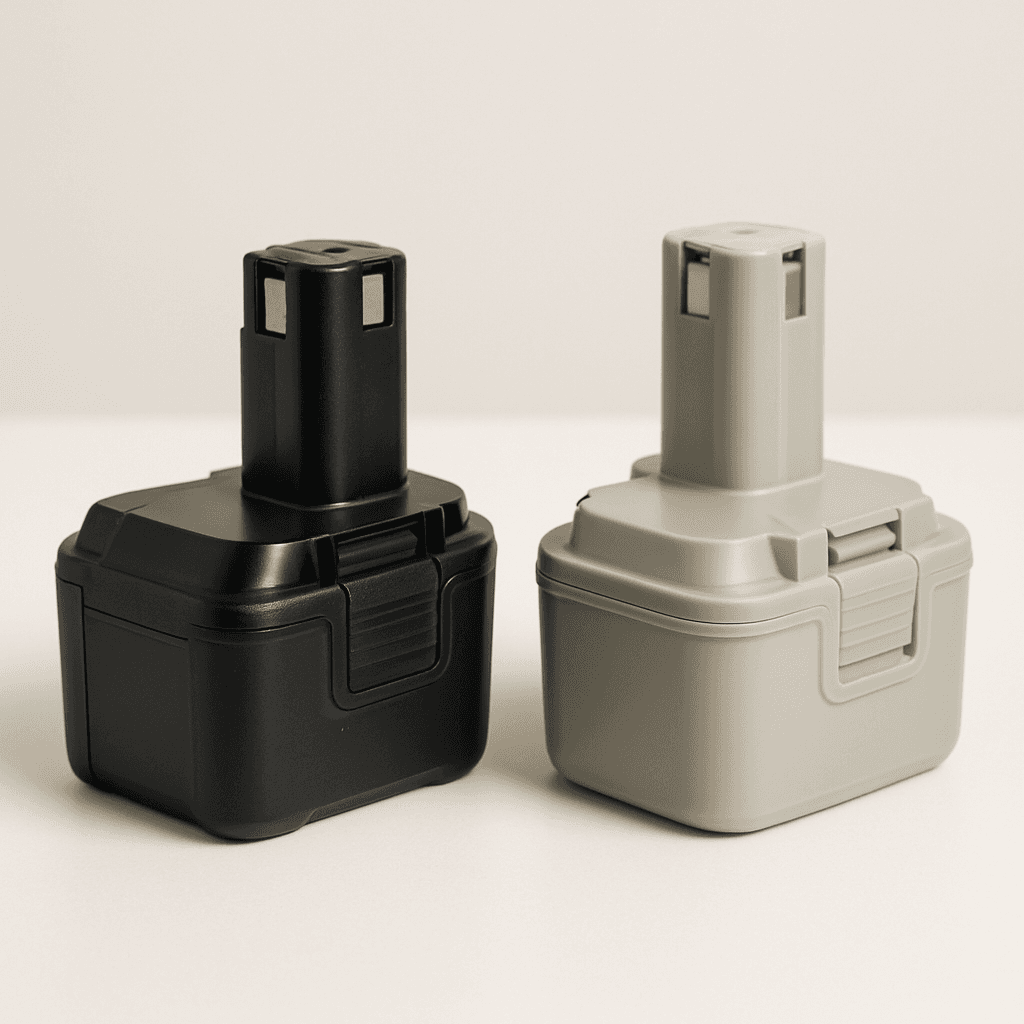
Lithium-Ion vs LiFePO4: Which Battery Chemistry Is Safer?
If you've shopped for a power station recently, you've seen "LiFePO4" everywhere — and for good reason. Here's what actually separates it from older lithium-ion (NMC) chemistry, and why the shift happened industry-wide.
The Core Difference
Not sure how battery chemistry relates to the watts and watt-hours on the spec sheet? See our watt-hours vs. watts explained guide first. Both LiFePO4 and lithium-ion are lithium-based rechargeable battery chemistries, but they use different cathode materials. LiFePO4 (lithium iron phosphate) trades some energy density for significantly better thermal stability and cycle life. Lithium-ion / NMC (nickel manganese cobalt) packs more energy into a smaller/lighter cell but degrades faster and carries higher thermal risk.
Comparison Table
| Factor | LiFePO4 | Lithium-Ion (NMC) |
|---|---|---|
| Typical cycle life | 3,000-6,000+ cycles to 80% | 500-1,000 cycles to 80% |
| Thermal stability | High — significantly lower fire risk | Lower — more prone to thermal runaway |
| Energy density | Lower (heavier per Wh) | Higher (lighter per Wh) |
| Typical real-world lifespan | 8-10+ years at regular use | 2-4 years at regular use |
| Current market position | Standard in nearly all major brands (Jackery, EcoFlow, Bluetti, Anker) | Largely phased out, seen in some older or discontinued models |
Why the Industry Shifted to LiFePO4
Around 2022-2024, LiFePO4 costs dropped enough to make it standard across the mainstream power station market, and the safety and longevity advantages made it an easy call for manufacturers targeting home and camping use — a battery that lasts 8-10 years instead of 2-4 fundamentally changes the value proposition for buyers. Our Goal Zero Yeti 1500X review covers one of the few remaining current-production units still using NMC chemistry, and explains the real-world tradeoff.
Is Lithium-Ion (NMC) Unsafe?
Not inherently — properly engineered NMC batteries with good battery management systems are used safely in many products, including some laptops and older power stations. But given a choice at similar price and capacity, LiFePO4's meaningfully better cycle life and thermal stability make it the safer, longer-lasting choice for a power station specifically, which sees more frequent full-cycle use than a typical laptop battery.
How to Check What Chemistry a Power Station Uses
Reputable manufacturers list battery chemistry directly in the spec sheet — if a listing doesn't mention it at all, that's worth treating as a caution flag. Nearly every mainstream review-worthy power station in our best portable power stations of 2026 ranking uses LiFePO4.
Frequently Asked Questions
Does LiFePO4 charge slower than lithium-ion?
Not inherently — charging speed is determined more by the charging circuitry and max input wattage than by cell chemistry itself. Many LiFePO4 units, like the EcoFlow Delta 2 Max, charge extremely fast despite using LiFePO4 cells.
Can I still buy a good power station with lithium-ion instead of LiFePO4?
You can, but it's increasingly rare among current-production mainstream models, and you'll typically get meaningfully shorter real-world lifespan. Unless there's a specific reason (like a legacy ecosystem investment), a LiFePO4 unit is the better choice for nearly all buyers today.
Related Articles
 Comparisons & Buying Guides
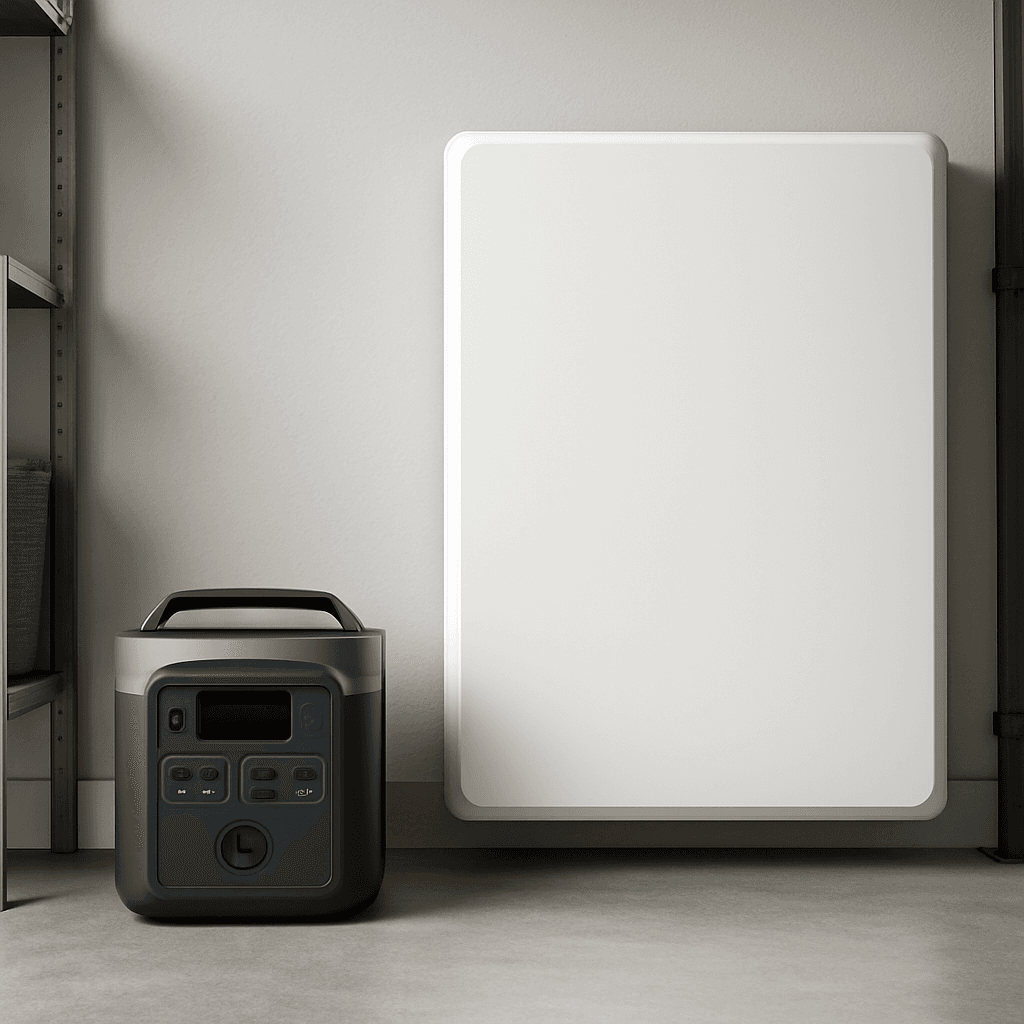
Portable Power Station vs. Whole-Home Battery System: Which Do You Actually Need?
A Tesla Powerwall costs $11,500-$16,000+ installed. A portable power station covers most of the same essentials for a fraction of that. Here's how to actually decide.
 Comparisons & Buying Guides
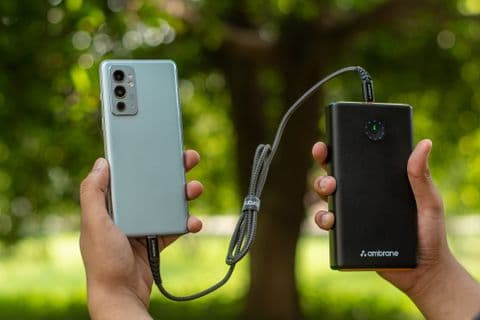
Power Bank vs. Power Station: What's the Real Difference?
They both store and dispense electricity, but a power bank and a power station aren't interchangeable. Here's what actually separates them and which one you need.
 Comparisons & Buying Guides
Can You Rent a Portable Power Station Instead of Buying One?
Renting is a real option if you only need backup power for a single trip or event. Here's where to actually rent one, real costs, and when renting beats buying.