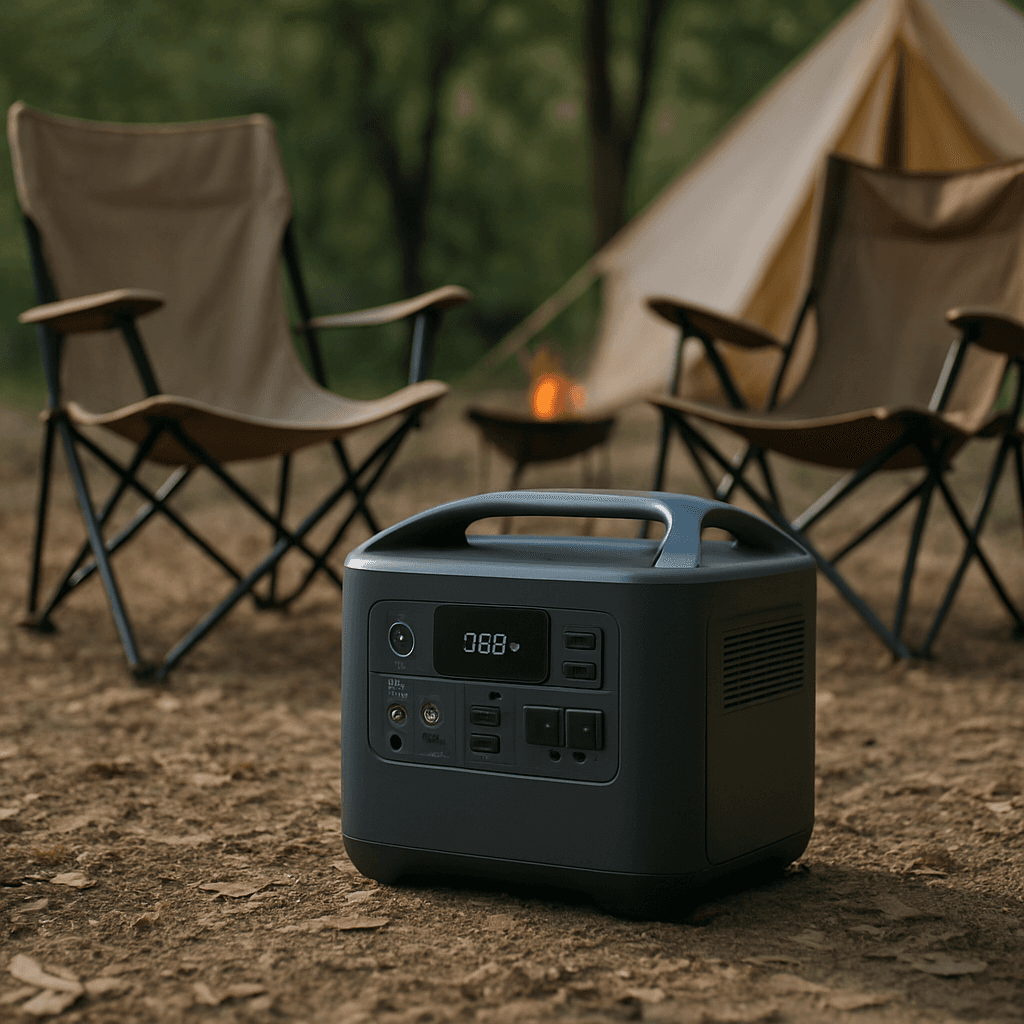
Goal Zero Yeti 1500X Review: Pros and Cons
This page contains affiliate links. See our affiliate disclosure.
Goal Zero was one of the pioneers of the portable power station category, and the Yeti 1500X remains a recognizable name in the space. (If you own a Yeti 3000X specifically, see our recall notice — it does not affect the 1500X.) But 2026's market has largely moved to LiFePO4 battery chemistry, and the 1500X's continued use of older NMC cells changes how it stacks up.
Where It Comes Up Short
- NMC battery chemistry means meaningfully shorter cycle life and reduced thermal stability compared to the LiFePO4 batteries now standard across Jackery, EcoFlow, Anker, and Bluetti's current lineups.
- Slower charging than newer LiFePO4-based competitors at a similar capacity and price.
- Premium pricing that's difficult to justify against LiFePO4 alternatives offering similar or greater capacity for less money — see our full ranked comparison.
- Heavier per watt-hour than most 2026-era LiFePO4 units of comparable capacity.
Where It Still Holds Up
- Strong port selection, intelligently laid out on a single control panel — a genuine usability advantage over some newer competitors.
- Regulated MPPT solar charge controller delivers efficient, stable solar charging performance.
- 2,000W continuous / 3,500W surge output comfortably handles most household appliances, including power tools and space heaters.
- Established brand with a long track record and a mature accessory ecosystem (Tank expansion batteries, Boulder solar panels).
Key Specs
| Spec | Value |
|---|---|
| Capacity | 1,516Wh |
| Continuous AC Output | 2,000W (3,500W surge) |
| Battery Chemistry | NMC (lithium nickel manganese cobalt) |
| Weight | 46 lbs |
| Solar Charging | Regulated MPPT controller |
| Expansion | Chain port for add-on Tank batteries |
| Approx. Price | Typically $1,599–$1,999 depending on retailer and bundle |
Runtime in Practice
- Mini fridge (80W): roughly 17–18 hours continuous
- CPAP machine (40W): roughly 32+ nights per full charge
- Power tools (500W, intermittent): several hours of cumulative use
Compare this against your own needs with our wattage sizing guide.
Is This the Right Fit for You?
The Yeti 1500X makes the most sense for buyers already invested in the Goal Zero ecosystem (existing Tank batteries or Boulder panels), or for those who specifically value its port layout and established reliability track record over the longer cycle life of LiFePO4 competitors. For most new buyers in 2026, a LiFePO4 unit at a similar capacity — like the EcoFlow Delta 2 Max or Bluetti AC200L — will offer better long-term value.
The Yeti 1500X remains a competent power station with genuine usability strengths, but its NMC chemistry is increasingly a legacy choice in a market that has moved decisively to LiFePO4. Unless you're already in the Goal Zero ecosystem or specifically prioritize its interface over battery longevity, most buyers in 2026 will get better long-term value from a LiFePO4 alternative.
Disclosure: WattStation HQ may earn a commission if you purchase through links on this page, at no extra cost to you. This does not affect our rankings — see our editorial policy.
Frequently Asked Questions
Is NMC battery chemistry unsafe compared to LiFePO4?
NMC batteries are not inherently unsafe when properly engineered and used as directed, but they do have lower thermal stability and shorter cycle life than LiFePO4 — which is why nearly the entire power station industry has shifted to LiFePO4 as the preferred chemistry since around 2023–2024.
Can I still buy Goal Zero Tank expansion batteries for the Yeti 1500X?
Yes, Goal Zero continues to sell Tank expansion batteries compatible with the chain port on the Yeti 1500X, though availability and pricing should be confirmed directly with Goal Zero or an authorized retailer before purchase.
Related Articles
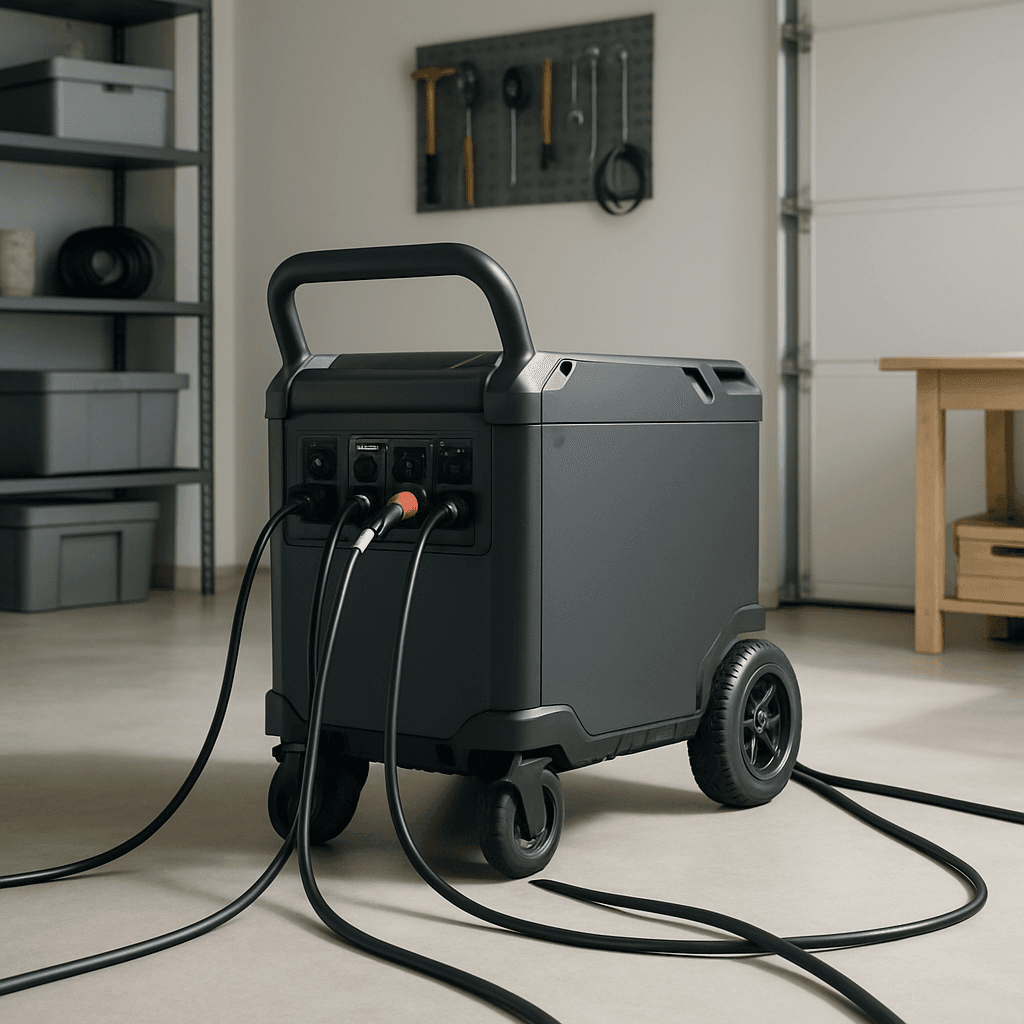 Power Station Reviews
EcoFlow Delta Pro 3 Review: EcoFlow's New Flagship Tested
4,096Wh, 4,000W continuous output, and a starting price that's already dropped from $3,699 to $1,999. Here's the full breakdown of EcoFlow's new flagship power station.
 Power Station Reviews
Renogy Lycan 5000 Review: Off-Grid Power Tested
The Renogy Lycan 5000 pairs a wheeled, rugged design with expandable capacity for serious off-grid use. Full specs, real-world runtime, and who it's for.
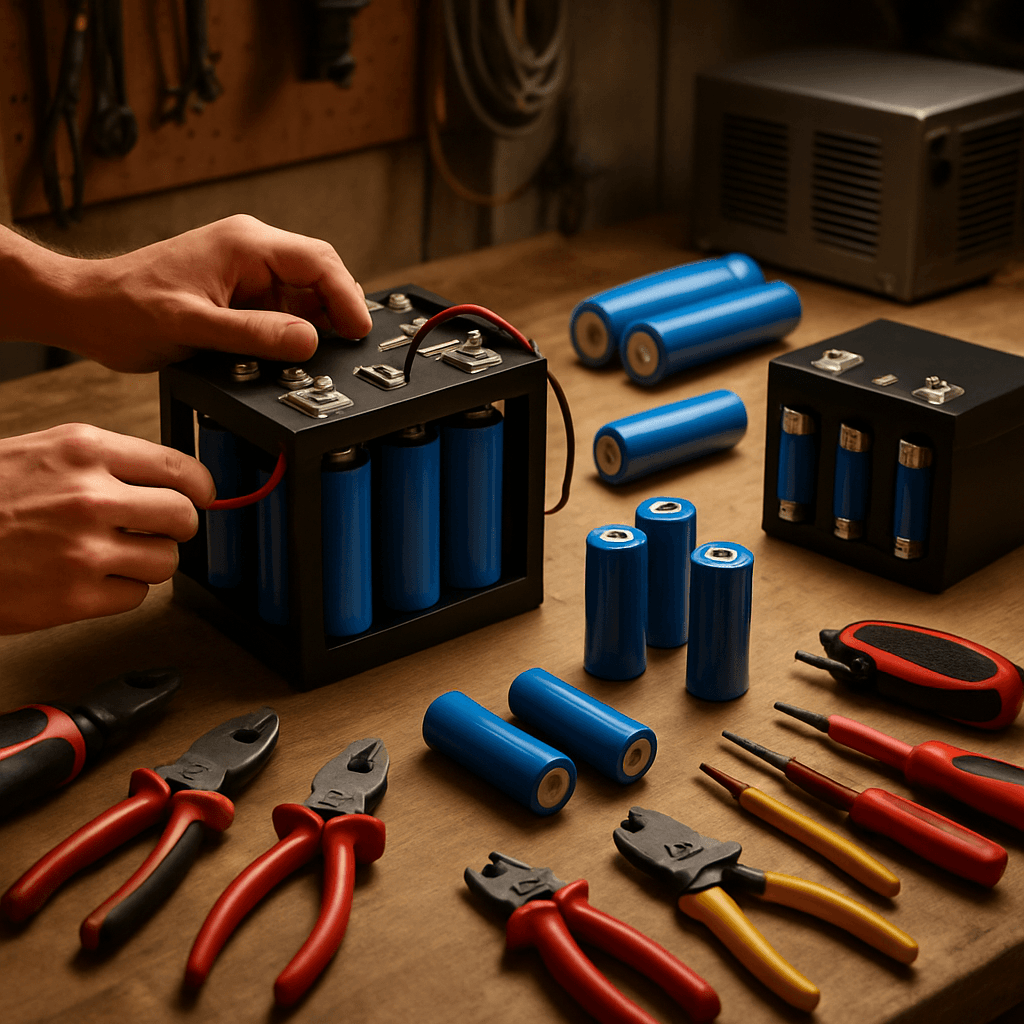 Power Station Reviews
Point Zero Energy Titan Review: DIY Solar Generator
The Point Zero Energy Titan is built for modular, DIY-friendly expansion. Full specs, real-world runtime, and who this off-grid-focused power station is for.