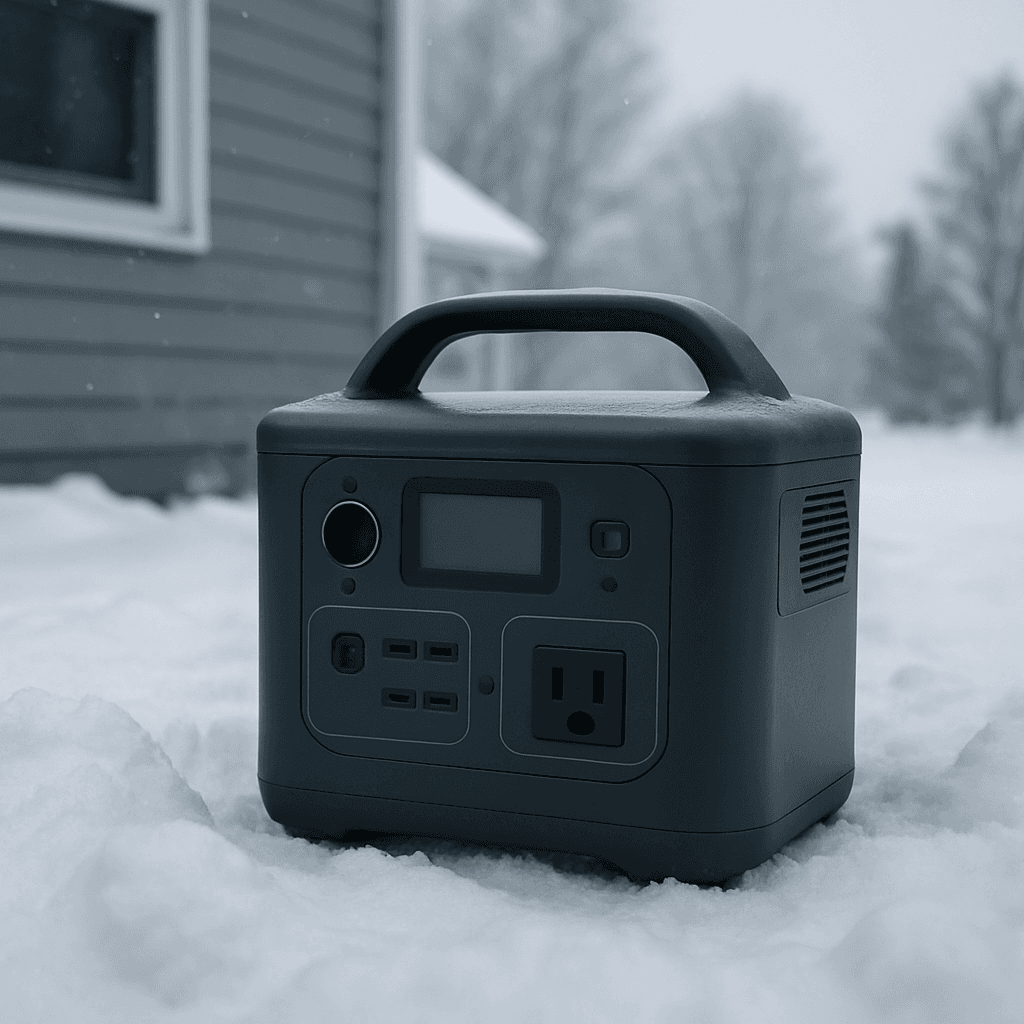
How Cold Weather Affects Power Station Battery Performance
Cold temperatures temporarily reduce a power station's usable capacity and slow its charging speed, since battery chemistry becomes less efficient in low temperatures — it's a performance dip, not permanent damage, as long as the unit stays within its rated operating range. Cold weather is one of the most common factors affecting power station performance, and it matters especially because winter storms and cold-weather outages are exactly when you're most likely to need reliable backup power.
What Actually Happens in Cold Temperatures
Battery chemistry slows down at lower temperatures — the chemical reactions that store and release energy become less efficient, which reduces both usable capacity and safe charging speed in cold conditions. This is a temporary performance effect, not permanent damage, as long as the unit stays within its rated operating temperature range.
Typical Cold-Weather Effects
- Reduced usable capacity — a unit rated for 1,000Wh might deliver noticeably less in freezing conditions compared to room temperature
- Slower charging — most LiFePO4 battery management systems automatically slow or pause charging below certain temperature thresholds as a safety precaution
- Reduced max output in extreme cold, in some units
Check Your Unit's Rated Operating Range
Every power station has a manufacturer-specified operating temperature range — check yours, since this varies meaningfully between models. Using or charging outside this range isn't just a performance issue but can pose a genuine safety and longevity risk to the battery.
Managing Cold Weather Use
- Keep the unit as warm as practical — an insulated case or bringing it indoors between uses significantly helps compared to leaving it in an unheated space
- Allow it to warm up before charging if it's been stored in extreme cold — charging a genuinely cold battery is both less efficient and potentially harmful long-term
- Budget extra capacity buffer for winter emergency planning — see our winter storm preparedness guide for regional planning specifics
- Avoid leaving it in a car trunk or unheated garage for extended periods during winter, both for performance and long-term battery health reasons covered in our maintenance guide
Does Cold Weather Cause Permanent Damage?
Operating within the manufacturer's rated range, even at the cold end, doesn't cause permanent damage — performance simply drops temporarily and returns to normal once temperatures moderate. Damage risk increases specifically when operating or charging outside the rated range, which is why checking your specific unit's spec matters. Heat is a different story — see our extreme heat guide for why hot-climate exposure causes permanent degradation rather than a temporary dip.
Frequently Asked Questions
Can I charge my power station outside in freezing temperatures?
Many units' battery management systems will automatically slow or refuse to charge below a certain temperature threshold as a safety precaution — check your specific unit's rated charging temperature range, and consider warming it to room temperature before charging if it's been in extreme cold.
How much less capacity should I expect in cold weather?
This varies by unit and how cold it is, but noticeable reductions are common in freezing conditions — budgeting extra capacity buffer for winter planning (see our winter storm guide) is a reasonable precaution rather than assuming full rated capacity in cold conditions.
Related Articles
 Solar & Technical Guides
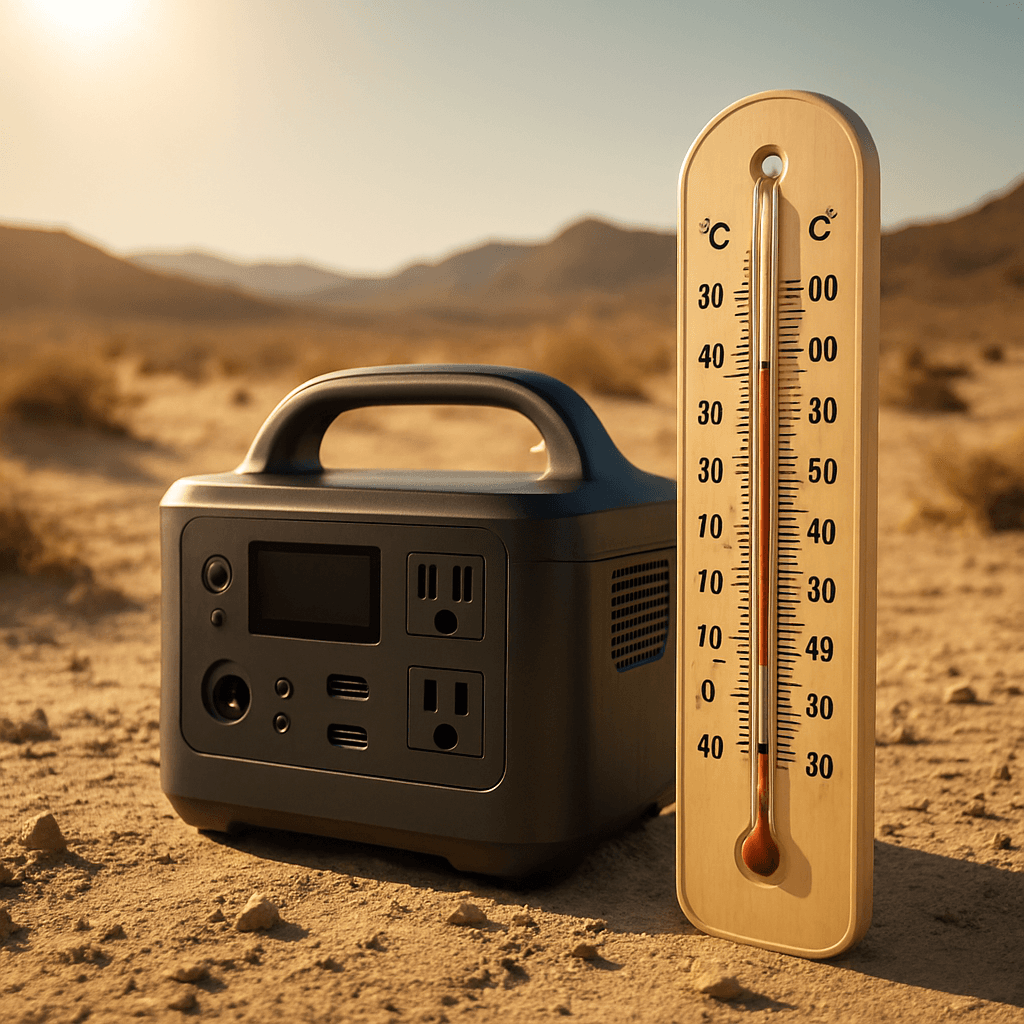
How Extreme Heat Affects Your Power Station (And What Desert Climates Need to Know)
Sustained heat above 113°F can cut a power station's usable lifespan roughly in half. Here's the real degradation math and what to actually do about it in hot climates.
 Solar & Technical Guides
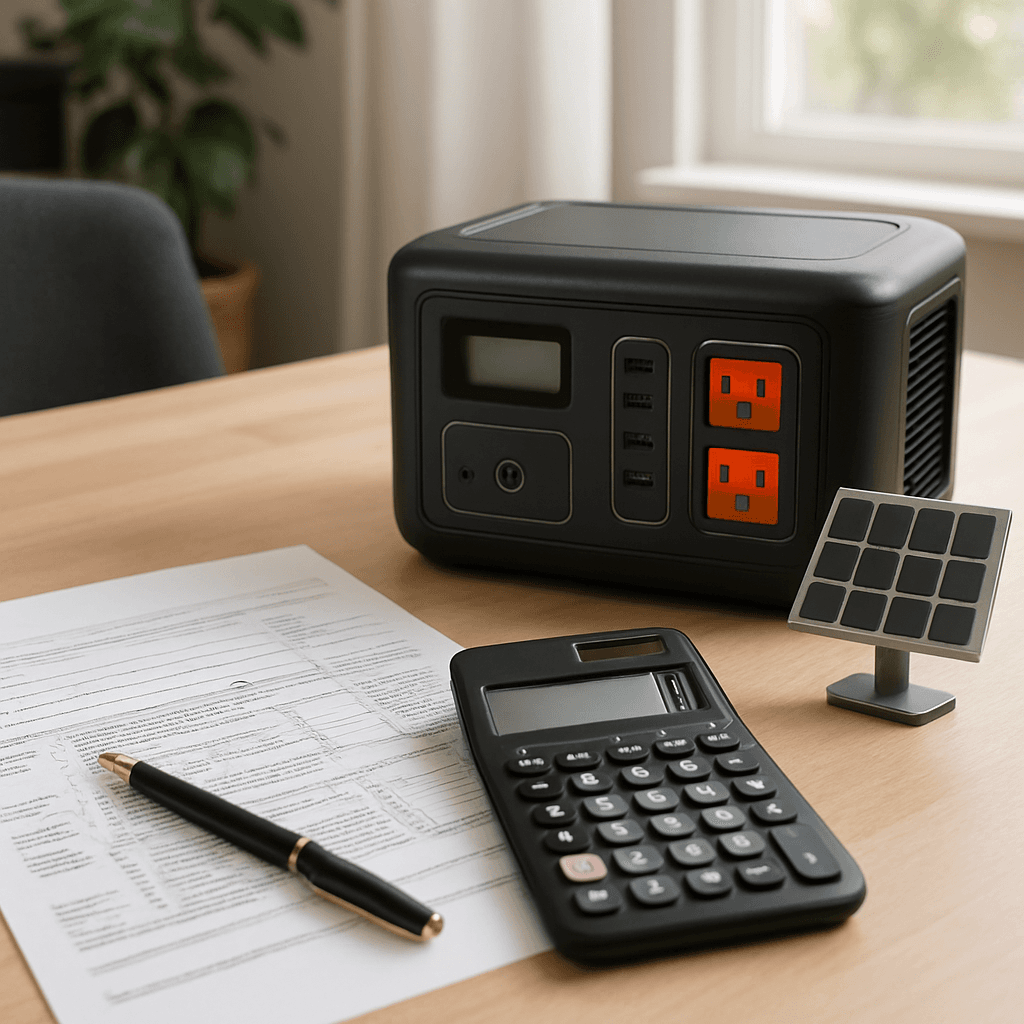
Do Portable Power Stations Qualify for Tax Credits or Rebates?
Most portable power stations don't qualify for the federal battery tax credit — here's why, which setups actually might, and where state and utility rebates can still help.
 Solar & Technical Guides
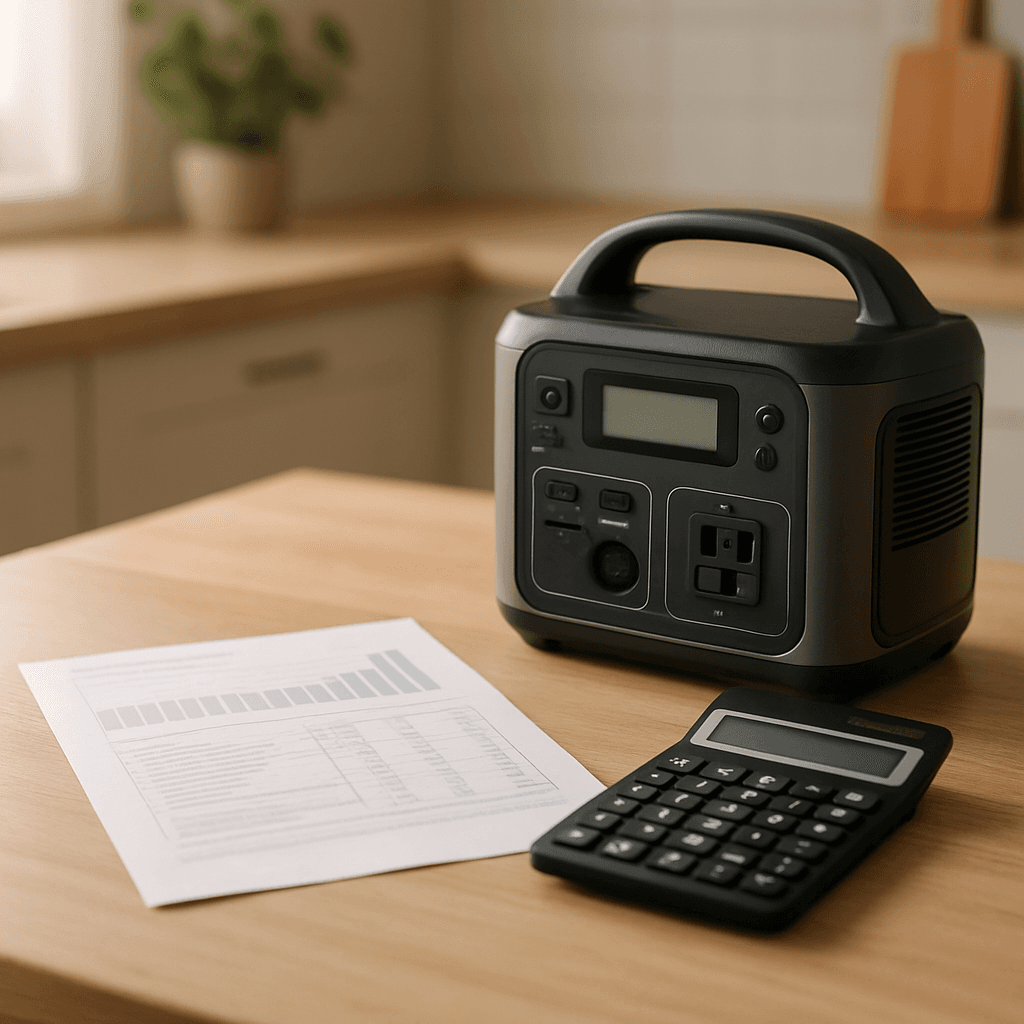
How Much Does It Actually Cost to Run a Power Station vs. Grid Electricity?
A power station doesn't generate cheaper electricity — it stores grid or solar power for later. Here's the honest math on what that actually costs you per kWh.