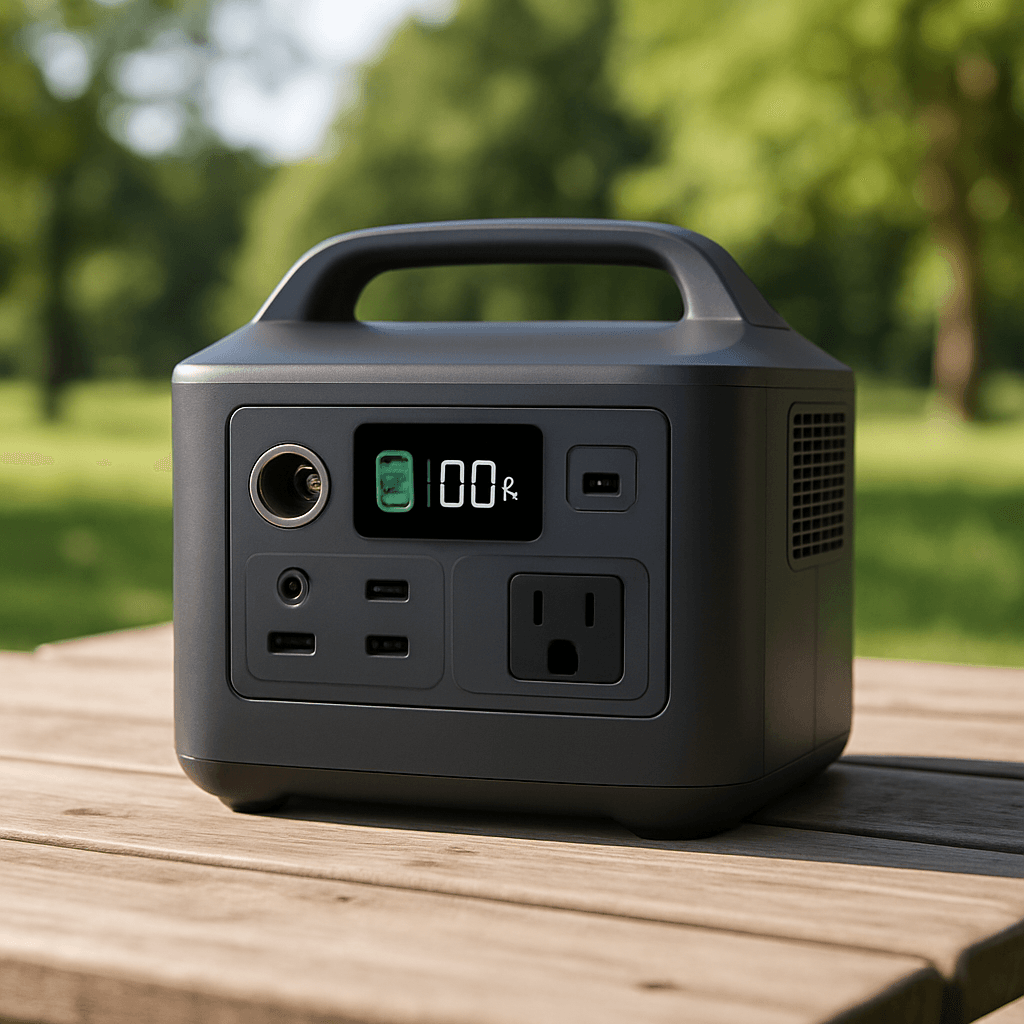
Anker SOLIX C1000 Review: Compact Home Backup
This page contains affiliate links. See our affiliate disclosure.
The Anker SOLIX C1000 has built a reputation as one of the strongest value picks in the ~1,000Wh capacity class, combining solid output, fast charging, and a price that regularly drops well below competitors during sales. Here's why it's earned that reputation, and where it still comes up short.
Standout Features
- Exceptional output-per-dollar, especially during sales — 1,800W continuous output is well above what most competitors offer at this capacity and price.
- Sub-hour full recharge keeps downtime minimal.
- 600W max solar input is strong for this capacity tier, supporting genuinely useful solar recharge speeds.
- 28 lbs keeps it reasonably portable, a middle ground between ultra-light budget units and heavier home-backup-focused models.
Spec Sheet
| Spec | Value |
|---|---|
| Capacity | 1,056Wh |
| Continuous AC Output | 1,800W (2,400W surge via SurgePad) |
| Battery Chemistry | LiFePO4 (InfiniPower) |
| Rated Lifespan | ~10 years |
| Weight | 28 lbs |
| AC Recharge Time | Under 1 hour, 0–100% |
| Max Solar Input | 600W |
| Approx. Price | $999 MSRP, frequently on sale $429–$799 |
The Tradeoffs
- 1,056Wh capacity is enough for essentials but not multi-day whole-home backup on its own.
- Not expandable with add-on batteries, unlike Anker's higher-tier SOLIX models.
- Full MSRP is not competitive — this unit's value proposition depends heavily on buying during a sale, which happens frequently but isn't guaranteed at any given moment.
What You Can Actually Run On It
- Mini fridge (80W): roughly 12–13 hours continuous
- CPAP machine (40W): roughly 22–24 nights per full charge
- Laptop charging (65W): roughly 14–15 full charges
- Window AC unit (900W): roughly 1 hour continuous
Calculate your specific needs with our wattage sizing guide.
Final Verdict
When caught on sale, the Anker SOLIX C1000 is one of the strongest value picks in the entire portable power station market — few units offer this much output per dollar. Buyers should watch for a sale rather than paying full MSRP to get the best value here. It's the right pick for budget-conscious buyers who still want serious output — apartment dwellers, campers, and CPAP users who want headroom to run a mini fridge or space heater briefly alongside medical equipment. See it in context in our best power stations under $500 roundup, since it regularly sells in that range.
Disclosure: WattStation HQ may earn a commission if you purchase through links on this page, at no extra cost to you. This does not affect our rankings — see our editorial policy.
Frequently Asked Questions
What is SurgePad and how does it work?
SurgePad is Anker's technology for briefly boosting output above the rated continuous wattage (up to 2,400W from an 1,800W base) to handle the startup surge of motor-driven appliances like fridges and pumps, without tripping the unit.
Is the SOLIX C1000 worth buying at full price?
At full MSRP, several competitors offer comparable or better value. This unit's strongest value case appears specifically during Anker's frequent sales, where it regularly drops into the $429–$599 range.
Related Articles
 Power Station Reviews
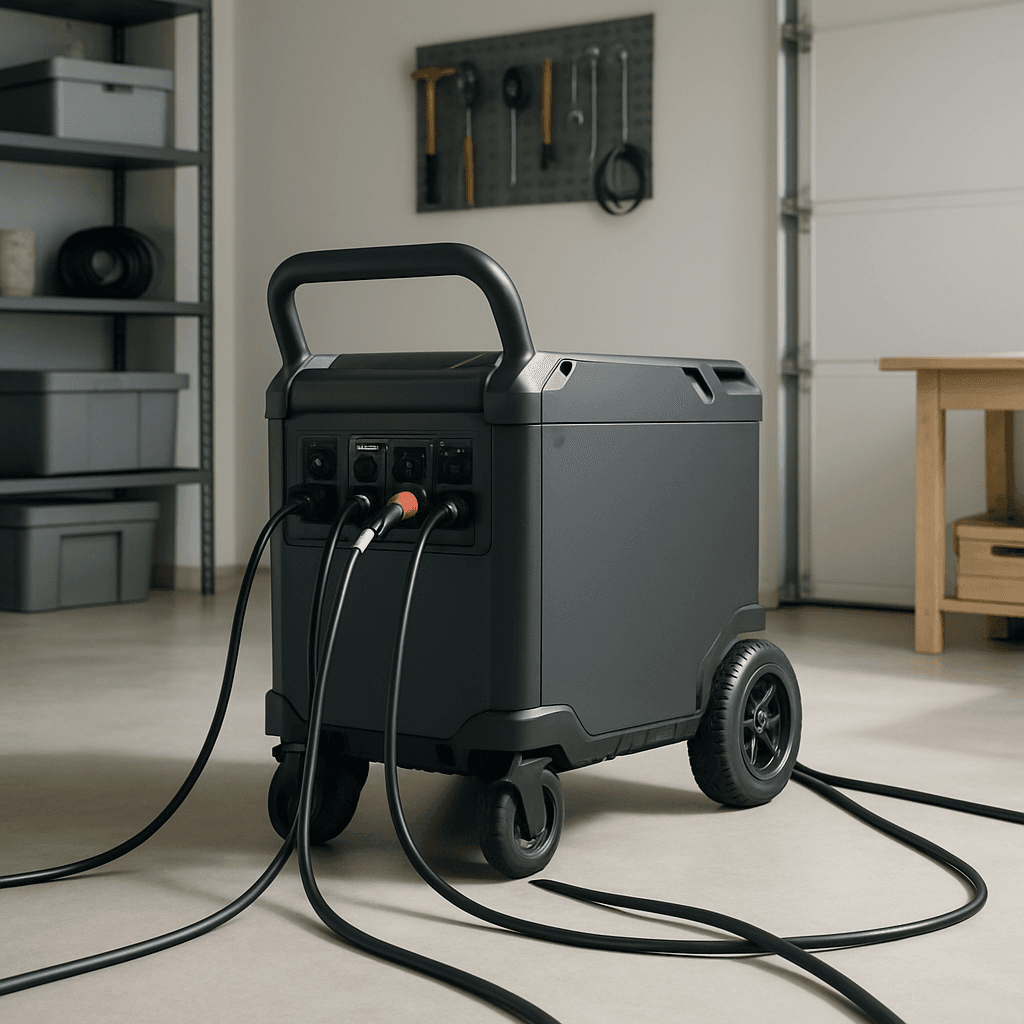
EcoFlow Delta Pro 3 Review: EcoFlow's New Flagship Tested
4,096Wh, 4,000W continuous output, and a starting price that's already dropped from $3,699 to $1,999. Here's the full breakdown of EcoFlow's new flagship power station.
 Power Station Reviews
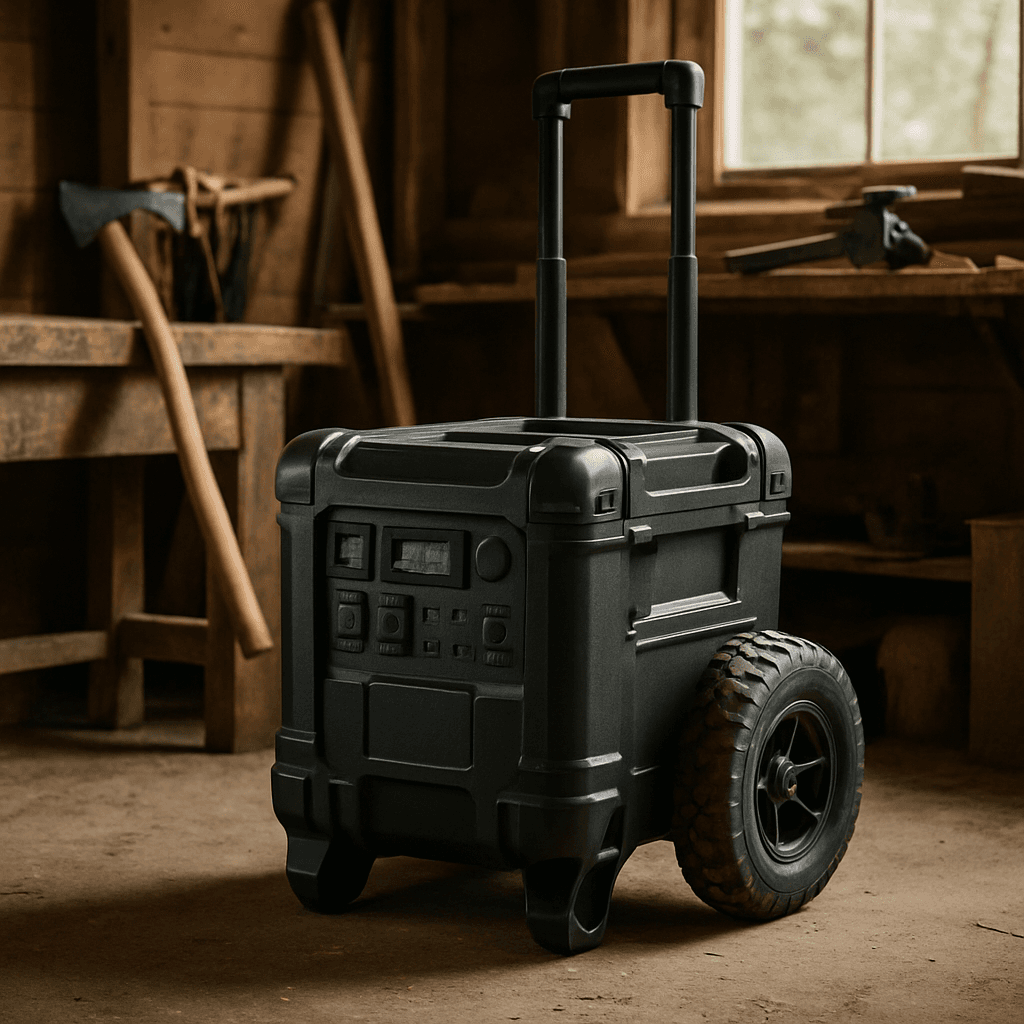
Renogy Lycan 5000 Review: Off-Grid Power Tested
The Renogy Lycan 5000 pairs a wheeled, rugged design with expandable capacity for serious off-grid use. Full specs, real-world runtime, and who it's for.
 Power Station Reviews
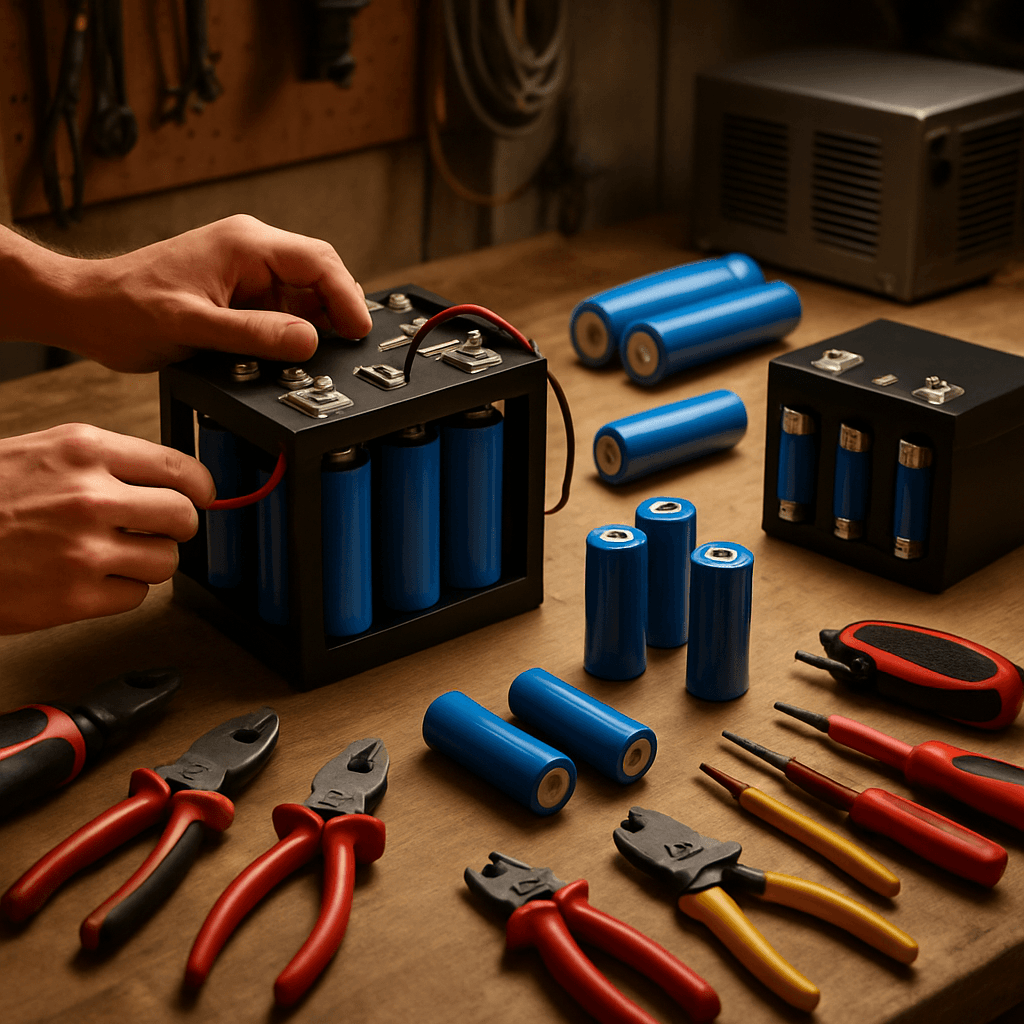
Point Zero Energy Titan Review: DIY Solar Generator
The Point Zero Energy Titan is built for modular, DIY-friendly expansion. Full specs, real-world runtime, and who this off-grid-focused power station is for.