Portable Power Station Safety: What You Need to Know
Modern LiFePO4 power stations are among the safest consumer battery products available, but understanding a few core safety principles helps you use one with full confidence rather than unnecessary worry — or, conversely, dangerous complacency. (If you're specifically weighing EMP or solar-storm risk, see our Faraday cage protection guide for what's actually vulnerable and what isn't.)
Why LiFePO4 Chemistry Is Inherently Safer
LiFePO4 batteries have significantly better thermal stability than older lithium-ion (NMC) chemistry, meaning a much lower risk of thermal runaway (the dangerous chain reaction behind most lithium battery fire incidents). See our LiFePO4 battery guide for the full technical comparison — this is the single biggest safety factor in choosing a power station.
Core Safety Principles
- Don't expose to extreme heat or direct, prolonged sunlight — even LiFePO4 batteries perform and age best within their rated operating temperature range; check your specific unit's spec.
- Use the manufacturer's charging cable and adapter — third-party chargers not designed for your specific unit can pose a safety risk and may void your warranty.
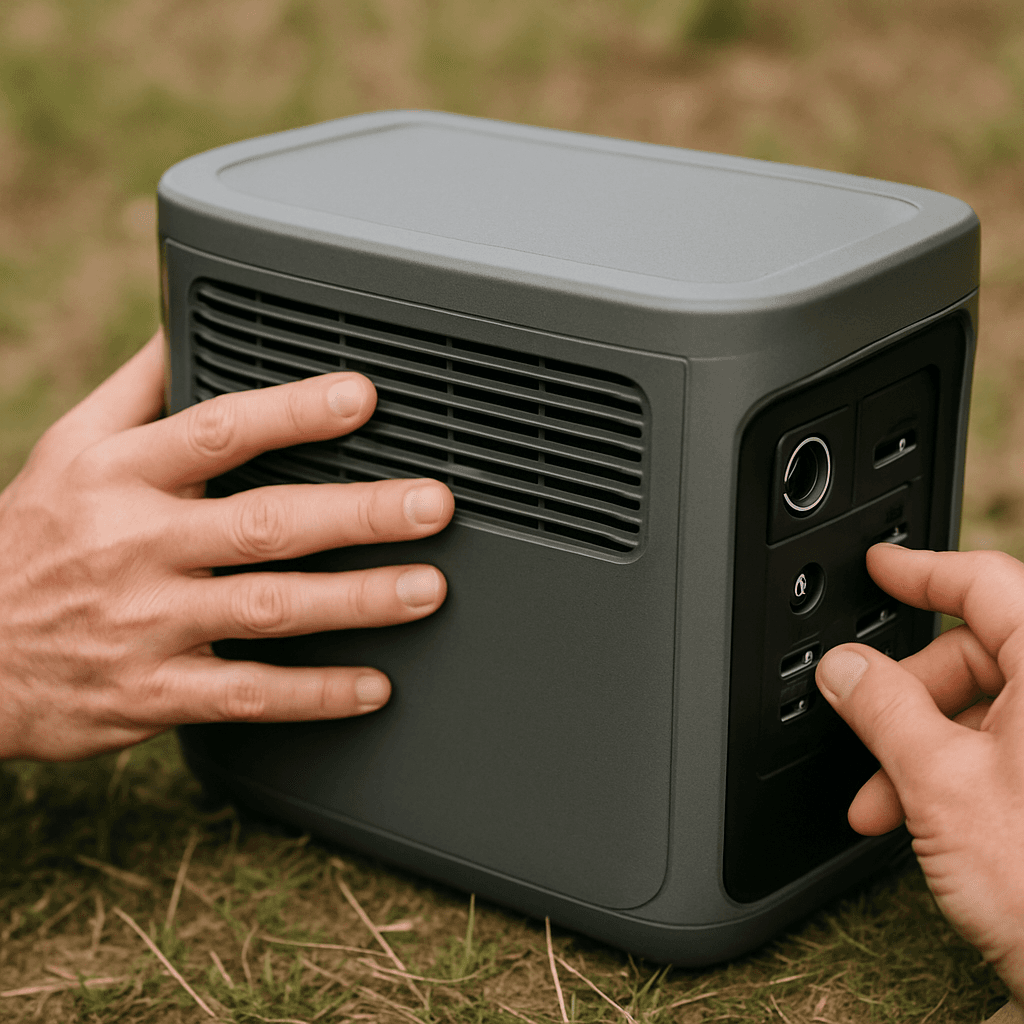
- Don't cover the unit while charging or under heavy load — power stations generate some heat during operation and need airflow, similar to a laptop.
- Keep away from water unless your unit has a specific weather-resistance rating — see our weatherproofing guide for what IP ratings actually mean.
- Buy from established brands with real safety certifications (UL listing or equivalent) rather than unverified budget alternatives with no clear certification.
Indoor Use Is Genuinely Safe
Unlike a gas generator, a power station produces zero emissions and poses no carbon monoxide risk, making it safe for indoor use in any size space — see our indoor safety guide for the full explanation of why this distinction matters so much.
What to Do If You Notice a Problem
If you notice unusual heat, swelling, unusual odors, or any visible damage to your power station, stop using it immediately, move it away from flammable materials and people if safely possible, and contact the manufacturer. These signs are rare with reputable LiFePO4 units but should never be ignored if they occur. It's also worth checking whether your specific model has an open safety recall — see our Goal Zero Yeti 3000X recall notice as an example of what one looks like and how the fix typically works.
When a unit finally reaches the end of its life, dispose of it properly rather than in household trash — see our battery recycling and disposal guide.
Warranty and Certification Matter
Buying from brands with established safety track records and real certifications (like UL listing) isn't just about product quality — it reflects genuine safety engineering and testing that budget, unverified alternatives may skip. See our warranty comparison guide for what to check before buying.
What Real Safety Certifications Actually Look Like
Not all "safety" claims on a product listing carry equal weight. UL 2743 is the relevant Underwriters Laboratories standard specifically for portable power station safety (covering the battery, inverter, and overall system), and UN 38.3 is the international standard lithium batteries must pass for legal transport and sale. A unit that specifically cites these standards has actually been tested against a defined bar — generic marketing language like "premium safety" or "military-grade" without a specific standard cited is not the same thing, and is worth treating with more skepticism.
Red Flags When Buying for Safety
- No specific certification cited anywhere on the product page or manual — just vague safety marketing language.
- A brand with no verifiable US presence or support contact, making a real safety issue hard to escalate if one occurs.
- Reviews mentioning heat, swelling, or burning smells — treat these as disqualifying for that specific listing, not just an unlucky unit.
- Prices dramatically below comparable-capacity units from known brands, which can (though doesn't always) indicate cut corners in cell quality or protection circuitry.
Frequently Asked Questions
Are power stations safe to leave charging overnight?
Yes, for reputable units with proper battery management systems, which nearly all mainstream LiFePO4 power stations include — the system automatically stops charging once full, preventing overcharge risk.
Is it safe to use a power station around children and pets?
Generally yes, with the same basic precautions you'd apply to any electrical device — keep cables tidy to avoid trip hazards, and avoid letting children operate charging ports unsupervised, though the units themselves don't pose unusual risk beyond standard electrical device safety.
Related Articles
 Solar & Technical Guides
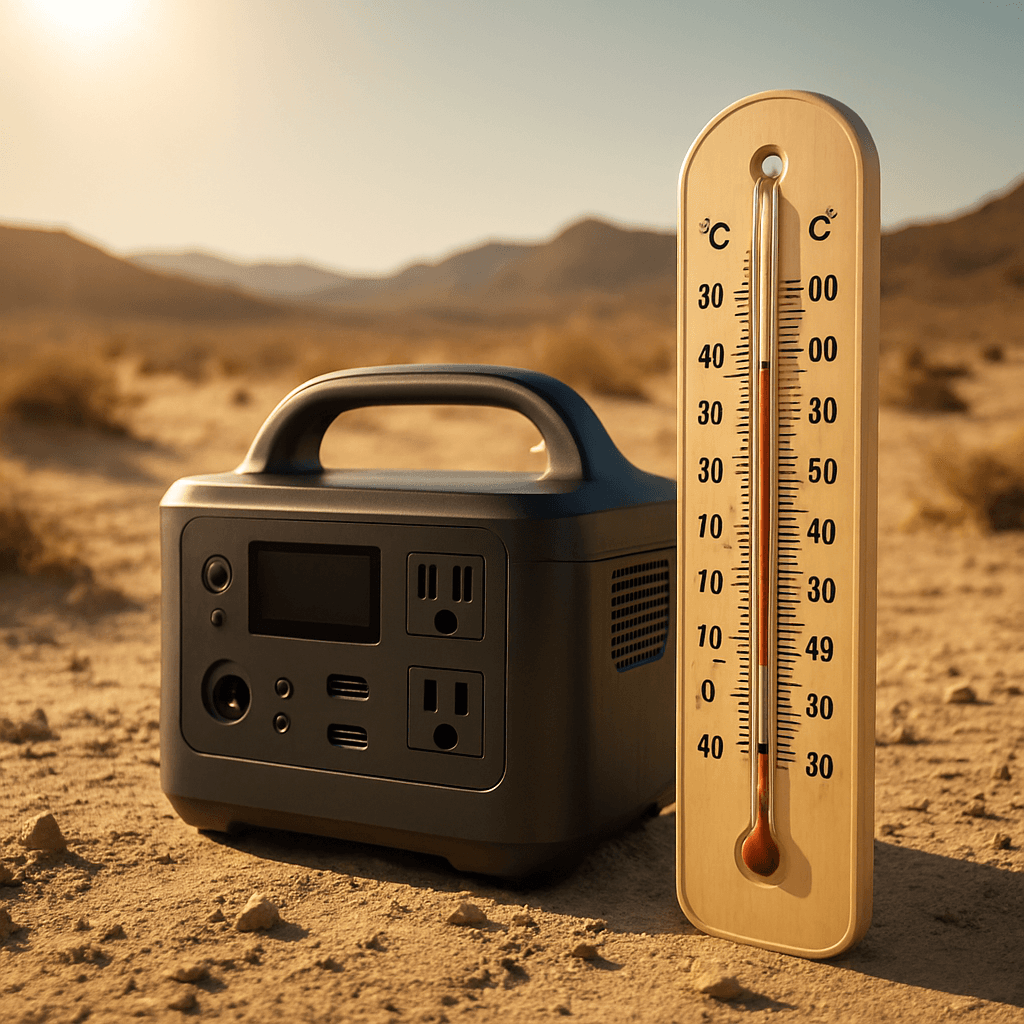
How Extreme Heat Affects Your Power Station (And What Desert Climates Need to Know)
Sustained heat above 113°F can cut a power station's usable lifespan roughly in half. Here's the real degradation math and what to actually do about it in hot climates.
 Solar & Technical Guides
Do Portable Power Stations Qualify for Tax Credits or Rebates?
Most portable power stations don't qualify for the federal battery tax credit — here's why, which setups actually might, and where state and utility rebates can still help.
 Solar & Technical Guides
How Much Does It Actually Cost to Run a Power Station vs. Grid Electricity?
A power station doesn't generate cheaper electricity — it stores grid or solar power for later. Here's the honest math on what that actually costs you per kWh.