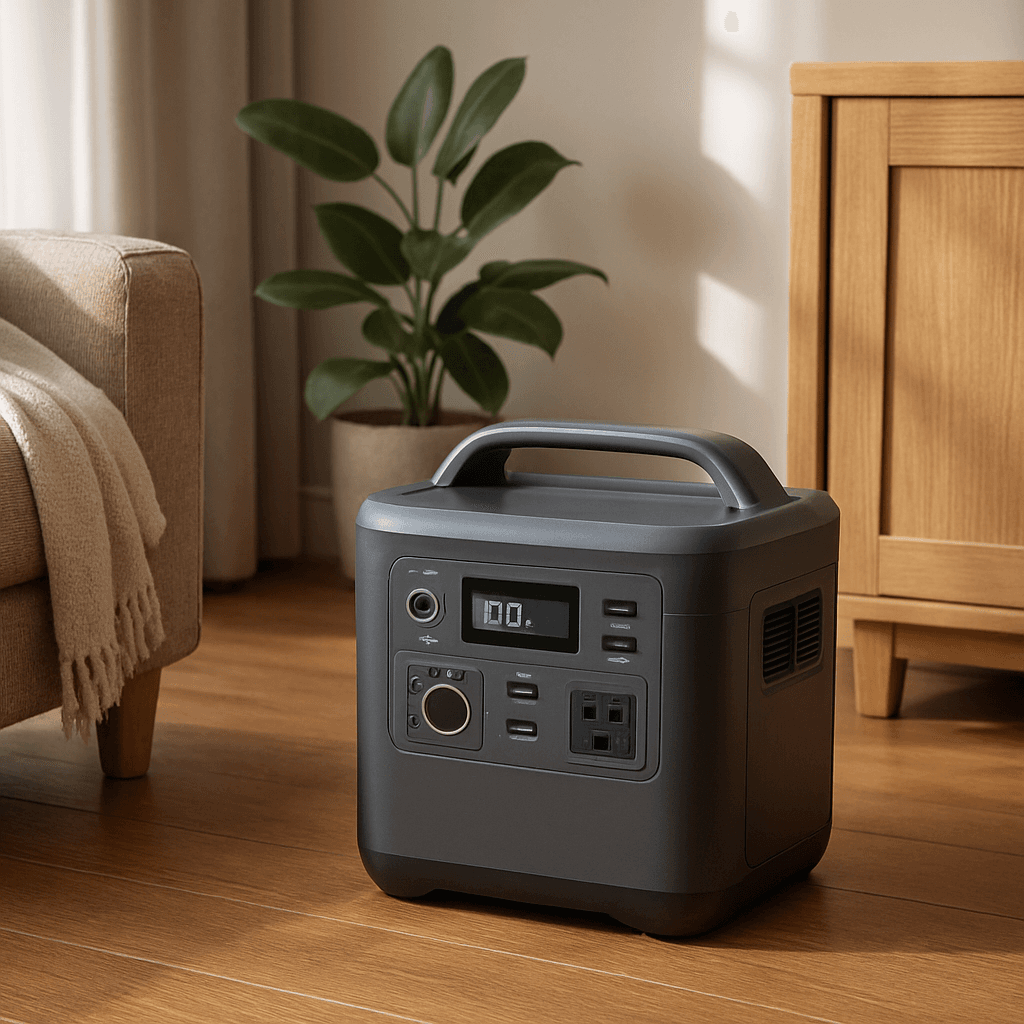
Are Portable Power Stations Safe to Use Indoors?
Yes — power stations are safe to use indoors, with no special ventilation required, since they produce no carbon monoxide or fumes. One of the biggest practical advantages of a portable power station over a gas generator is indoor safety — and it's worth understanding exactly why, since the distinction matters enormously for how and where you can use each.
Why Power Stations Are Safe Indoors
Power stations store and release electrical energy from a battery — there's no combustion process, meaning zero carbon monoxide production and no exhaust fumes of any kind. This is fundamentally different from a gas generator, which burns fuel and produces carbon monoxide that becomes deadly in enclosed spaces. See our power station vs. gas generator comparison for the complete safety and practical comparison.
No Special Ventilation Required
Unlike a generator, which needs to run outdoors with the exhaust directed away from windows and doors, a power station requires no special ventilation for safety purposes — general airflow around the unit (not covering it or sealing it in an airtight space) is sufficient, mainly for thermal management during charging and heavy use rather than any fume concern.
This Makes Power Stations Ideal for Specific Indoor Use Cases
- Medical equipment backup — CPAP machines, oxygen concentrators, and other devices can run safely in a bedroom without any indoor-air-quality concern. See our medical equipment power guide.
- Apartment living — where outdoor generator space simply isn't available. See our apartment emergency power guide.
- Home offices and general indoor essentials during an outage, without any air quality tradeoff.
Remaining Precautions (Not About Fumes)
While there's no carbon monoxide risk, a few general electrical safety precautions still apply:
- Keep the unit reasonably ventilated (not sealed in an airtight cabinet) for thermal management
- Avoid covering it while actively charging or under heavy load
- Keep it away from standing water or high-moisture areas unless it has an appropriate IP rating
- Follow standard electrical safety practices for any cables and connections
What About Battery Fire Risk Specifically?
The real question behind "is it safe indoors" usually isn't just carbon monoxide — it's whether the battery itself could catch fire. This is a genuinely different risk category, and it's why battery chemistry matters so much: LiFePO4 batteries (standard on nearly all current mainstream power stations) have a much higher thermal runaway threshold than older lithium-ion chemistries, making a spontaneous fire meaningfully less likely under normal use and even under most abuse conditions. See our LiFePO4 battery guide for the technical comparison. This is also why buying from an established brand with real UL certification matters for indoor use specifically — certification testing exists precisely to catch defects that could turn into a fire risk before the product reaches your living room.
Certification Is Worth Checking, Not Assuming
Not every power station sold online carries genuine UL (or equivalent) certification, particularly with lesser-known budget brands sold primarily through marketplaces. Before relying on any unit for regular indoor use, confirm it's actually certified rather than just assuming — check the manufacturer's product page or the unit's physical labeling, since this is one of the clearest signals of real safety engineering behind the product, not just marketing language.
Frequently Asked Questions
Do I need a carbon monoxide detector if I'm only using a power station indoors?
A carbon monoxide detector is still a good general home safety practice regardless, but it's specifically unnecessary as a power-station-related precaution, since power stations produce no carbon monoxide. It becomes essential if you're also using any fuel-burning equipment (generator, propane heater) anywhere near your home.
Can I run a power station in a bedroom while sleeping?
Yes — this is a common and safe use case, particularly for overnight medical equipment backup like CPAP machines, precisely because power stations don't produce fumes or require the ventilation considerations a fuel-burning device would need.
Related Articles
 Solar & Technical Guides
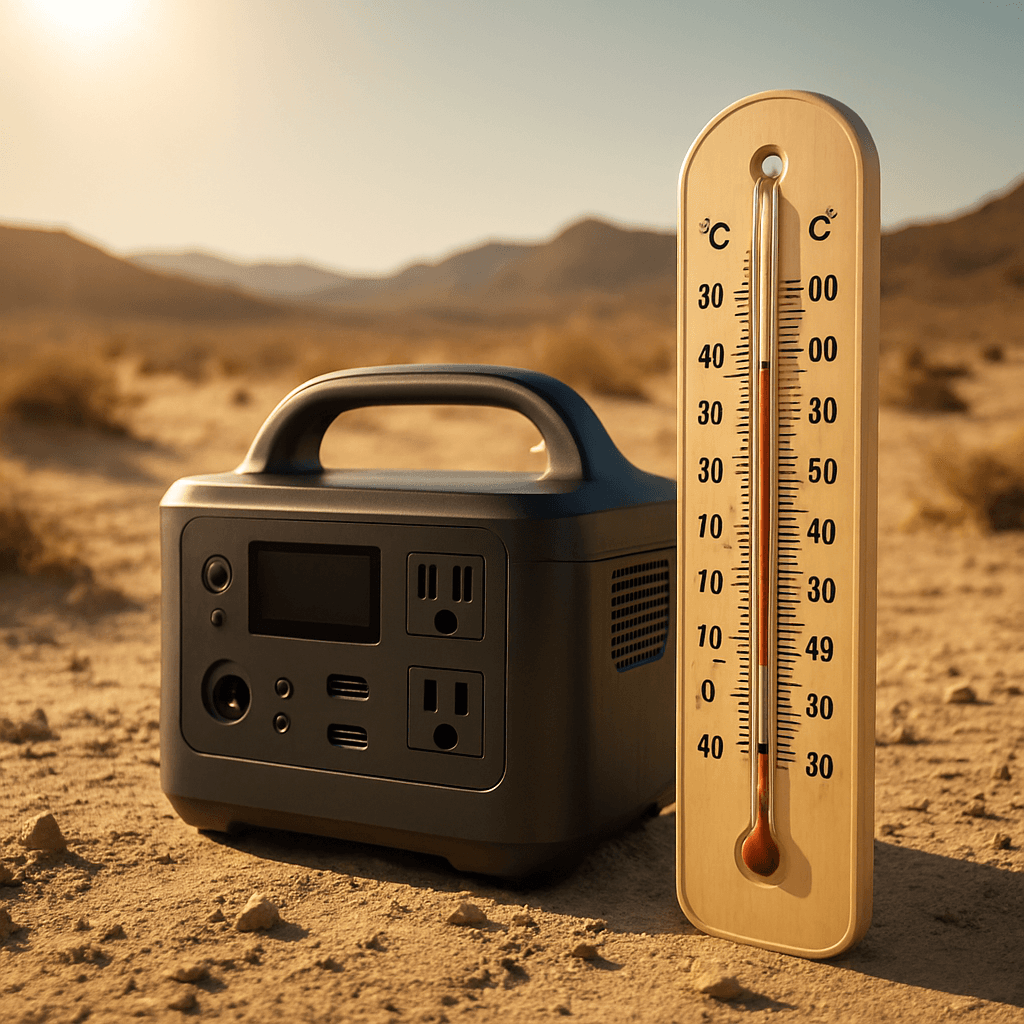
How Extreme Heat Affects Your Power Station (And What Desert Climates Need to Know)
Sustained heat above 113°F can cut a power station's usable lifespan roughly in half. Here's the real degradation math and what to actually do about it in hot climates.
 Solar & Technical Guides
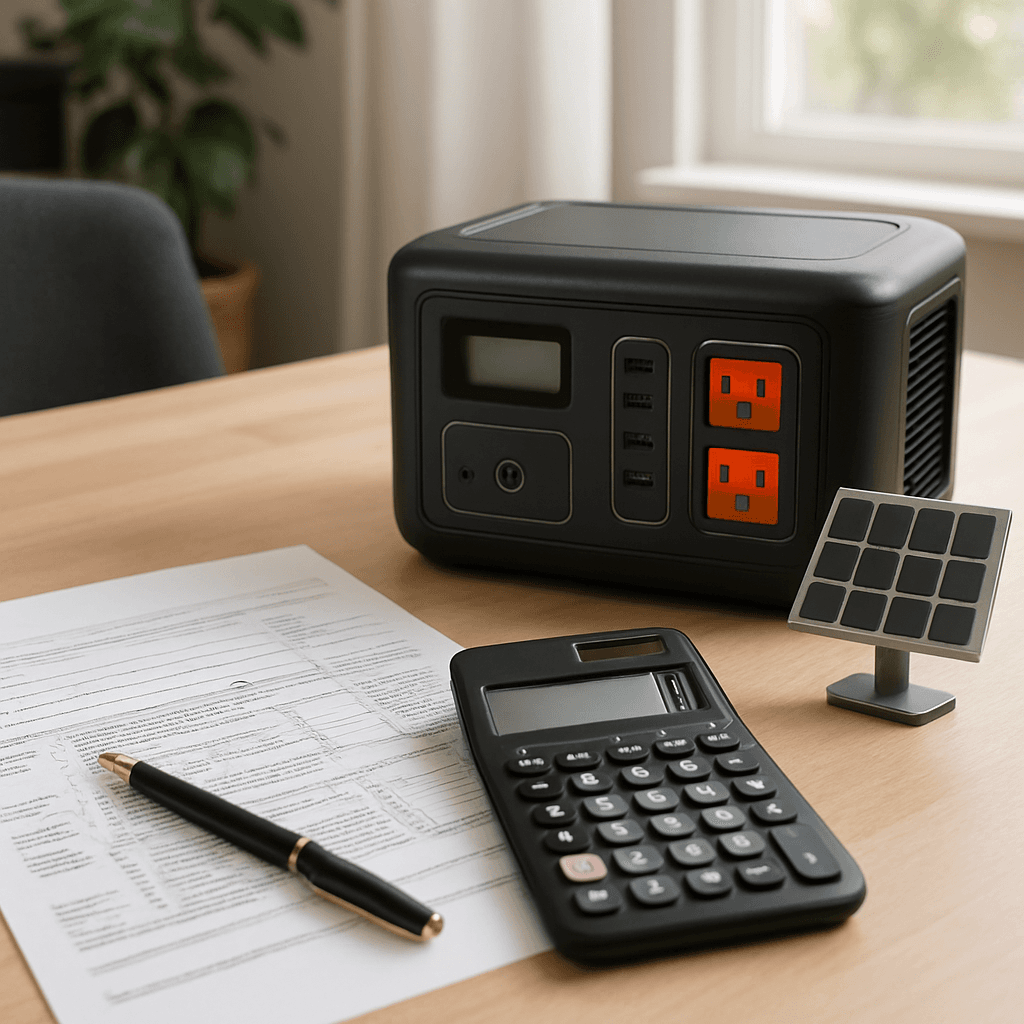
Do Portable Power Stations Qualify for Tax Credits or Rebates?
Most portable power stations don't qualify for the federal battery tax credit — here's why, which setups actually might, and where state and utility rebates can still help.
 Solar & Technical Guides
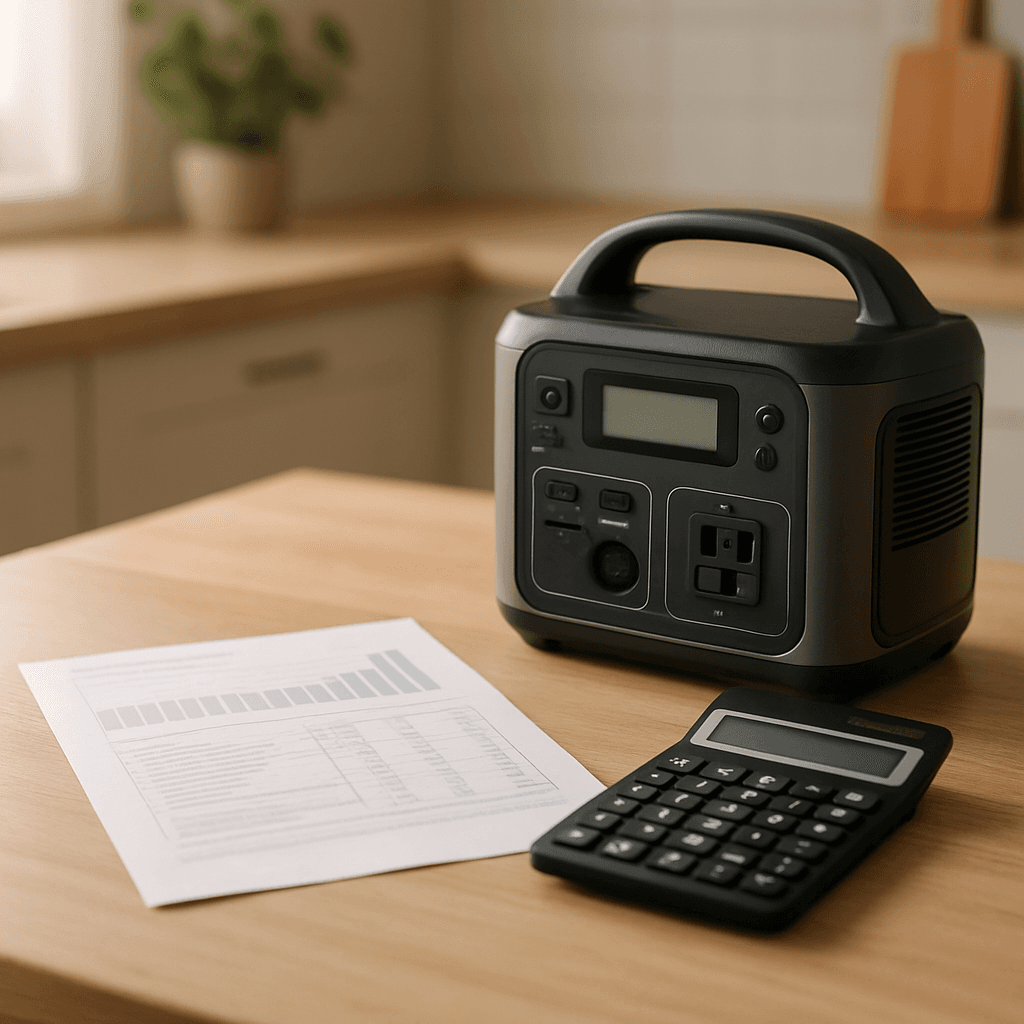
How Much Does It Actually Cost to Run a Power Station vs. Grid Electricity?
A power station doesn't generate cheaper electricity — it stores grid or solar power for later. Here's the honest math on what that actually costs you per kWh.