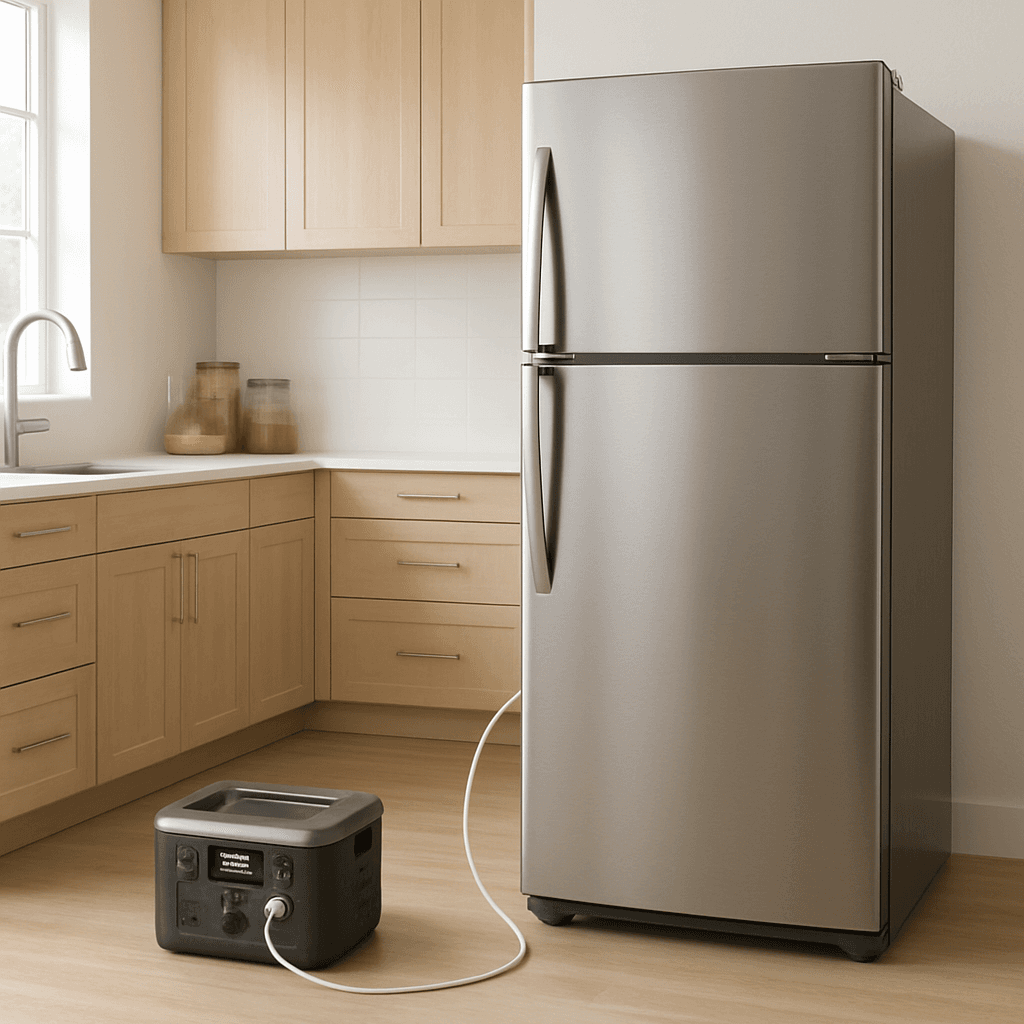
Can a Power Station Run a Refrigerator All Day?
Yes, with enough capacity. A mid-size power station (1,000Wh+) comfortably runs a mini fridge for a full 24 hours; a standard full-size fridge typically needs 2,000Wh or more, or a recharge partway through the day. Running a refrigerator for a full 24-hour day is one of the most common power station goals — and one of the easier ones to calculate precisely once you know your fridge's actual power draw.
The Math for a Full 24-Hour Day
| Fridge Type | Average Draw (with cycling) | 24-Hour Energy Need |
|---|---|---|
| Mini fridge | 30-50W | 720-1,200Wh |
| Standard full-size fridge | 100-200W | 2,400-4,800Wh |
| Large/side-by-side fridge | 150-250W | 3,600-6,000Wh |
For a detailed breakdown of runtime by specific power station model, see our complete fridge runtime guide.
Which Power Stations Can Actually Do This?
For a mini fridge, most mid-capacity units (1,000Wh+) like the Jackery Explorer 1000 v2 comfortably cover a full 24 hours. For a standard full-size fridge, you'll want a larger unit — a EcoFlow Delta 2 Max (2,048Wh) covers roughly 10-20 hours depending on your fridge's specific efficiency, meaning you'd want either an expanded unit or a recharge within the day for guaranteed full 24-hour coverage.
The Case for Intermittent Operation Instead
You don't strictly need continuous 24-hour operation to keep food safe — running the fridge on a schedule (a few hours on, a few hours off via a plug-in timer) while minimizing door openings during "off" periods can keep the interior safely cold using meaningfully less total energy than continuous operation, extending your effective coverage.
Solar Recharging Extends Your Runway
If you're trying to cover a full day and beyond, pairing your power station with solar panels lets you recharge during daylight hours, extending indefinitely-sustainable fridge operation as long as you have reasonable sun exposure — see our solar recharge time calculation guide to check whether your setup can keep pace with your fridge's daily draw.
What Happens If You Run Out Mid-Day
If your power station depletes before the day is over, don't panic about the fridge's contents immediately — a closed fridge door holds safe temperature for roughly 4 hours on its own. Use that window to either recharge (AC or solar), consolidate perishables into a smaller cooler with ice, or, if you have one, switch to a backup unit rather than assuming food is unsafe the instant the power station shuts off.
Combining With a Generator for True 24/7 Coverage
For households that specifically need guaranteed, uninterrupted 24-hour fridge coverage every single day of an extended outage — not just occasionally — pairing a power station with a generator for periodic recharging, rather than relying on solar or grid access alone, removes the day-to-day uncertainty. The power station still does the actual fridge-running (silently, indoors if needed), while the generator's job is purely to top off the battery on a schedule. See our power station vs. gas generator comparison for how the two work together in practice.
Frequently Asked Questions
What's the most efficient way to run a fridge on limited power station capacity?
Minimize door openings (each opening lets warm air in, making the compressor work harder), keep the fridge reasonably full (thermal mass helps maintain temperature), and consider intermittent operation with a timer rather than assuming continuous operation is required for food safety.
Do I need to buy a bigger power station just for full-size fridge backup?
Not necessarily — an expandable system that starts smaller and adds capacity, or pairing a mid-capacity unit with solar recharging, can achieve full-day fridge coverage without needing to buy the largest single unit available upfront. See our expandable capacity power stations guide for options.
Related Articles
 Solar & Technical Guides
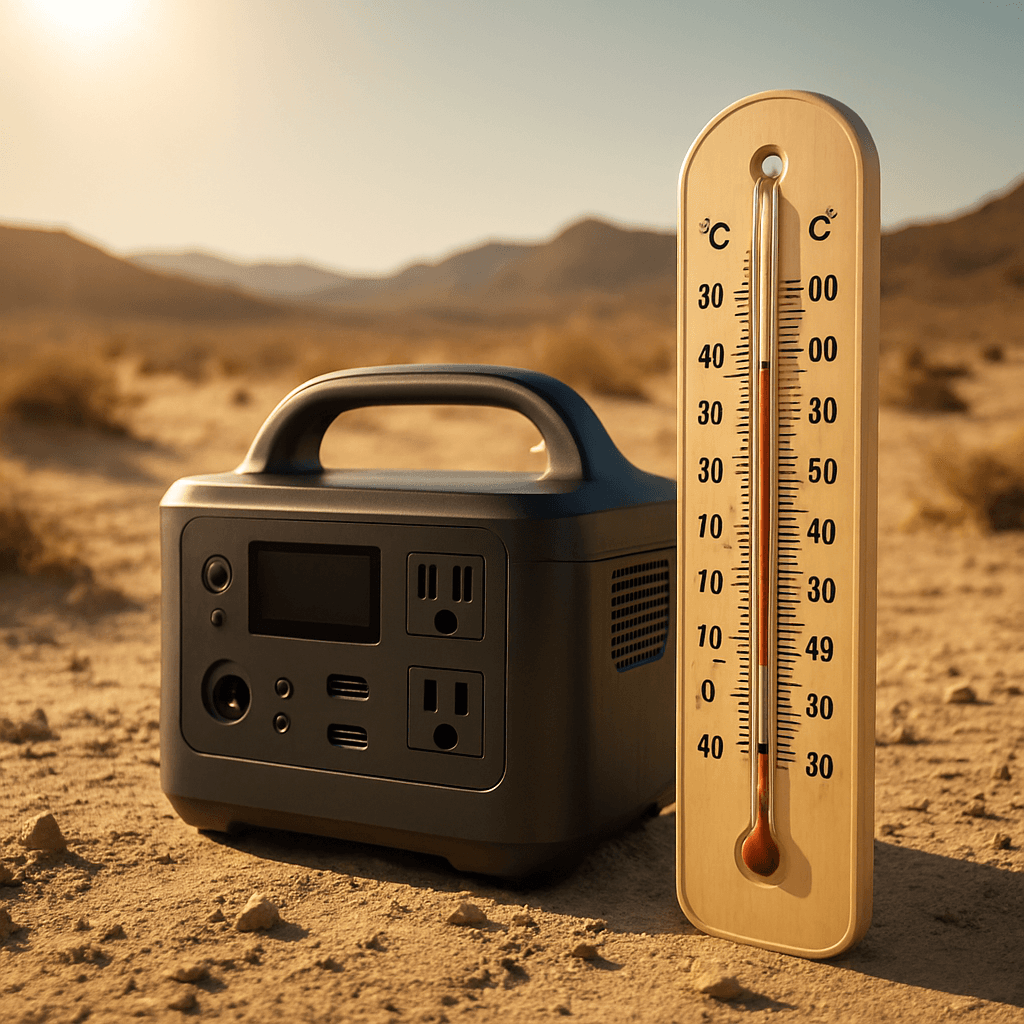
How Extreme Heat Affects Your Power Station (And What Desert Climates Need to Know)
Sustained heat above 113°F can cut a power station's usable lifespan roughly in half. Here's the real degradation math and what to actually do about it in hot climates.
 Solar & Technical Guides
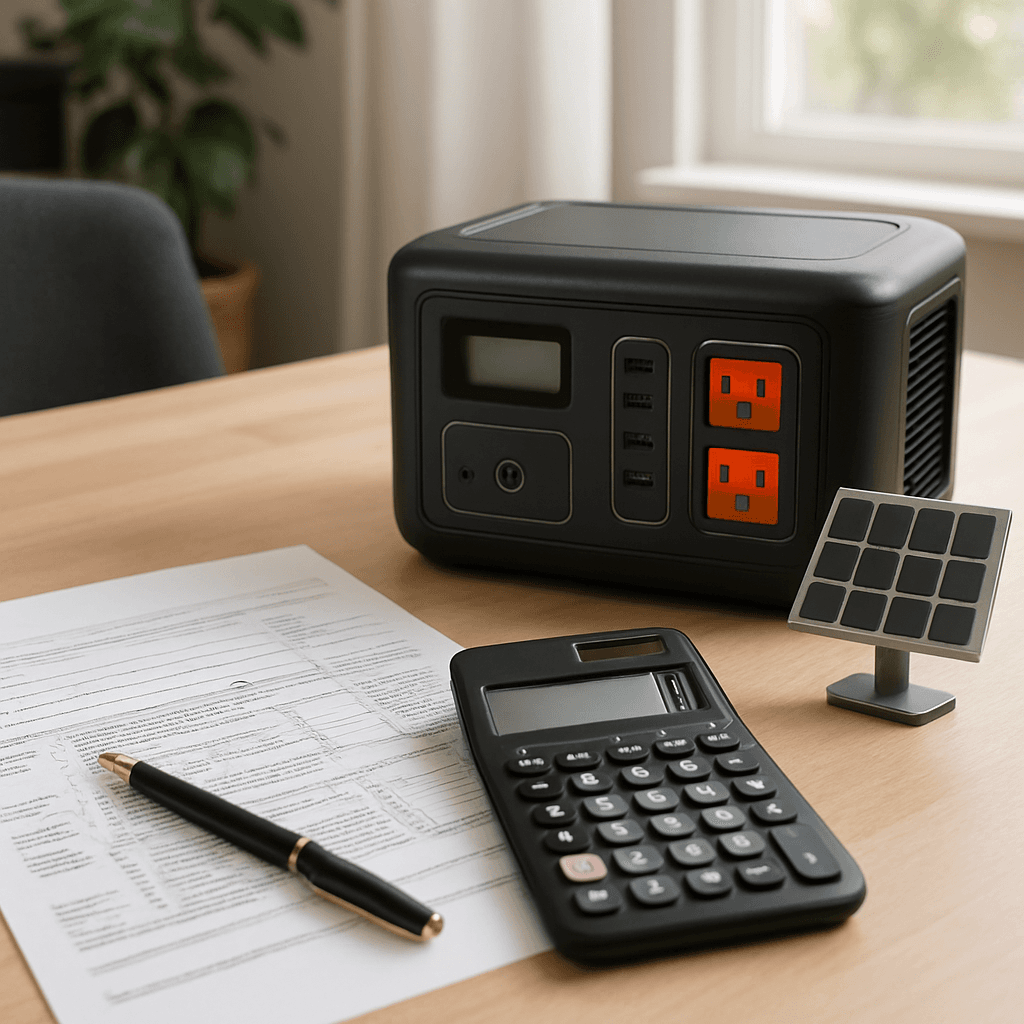
Do Portable Power Stations Qualify for Tax Credits or Rebates?
Most portable power stations don't qualify for the federal battery tax credit — here's why, which setups actually might, and where state and utility rebates can still help.
 Solar & Technical Guides
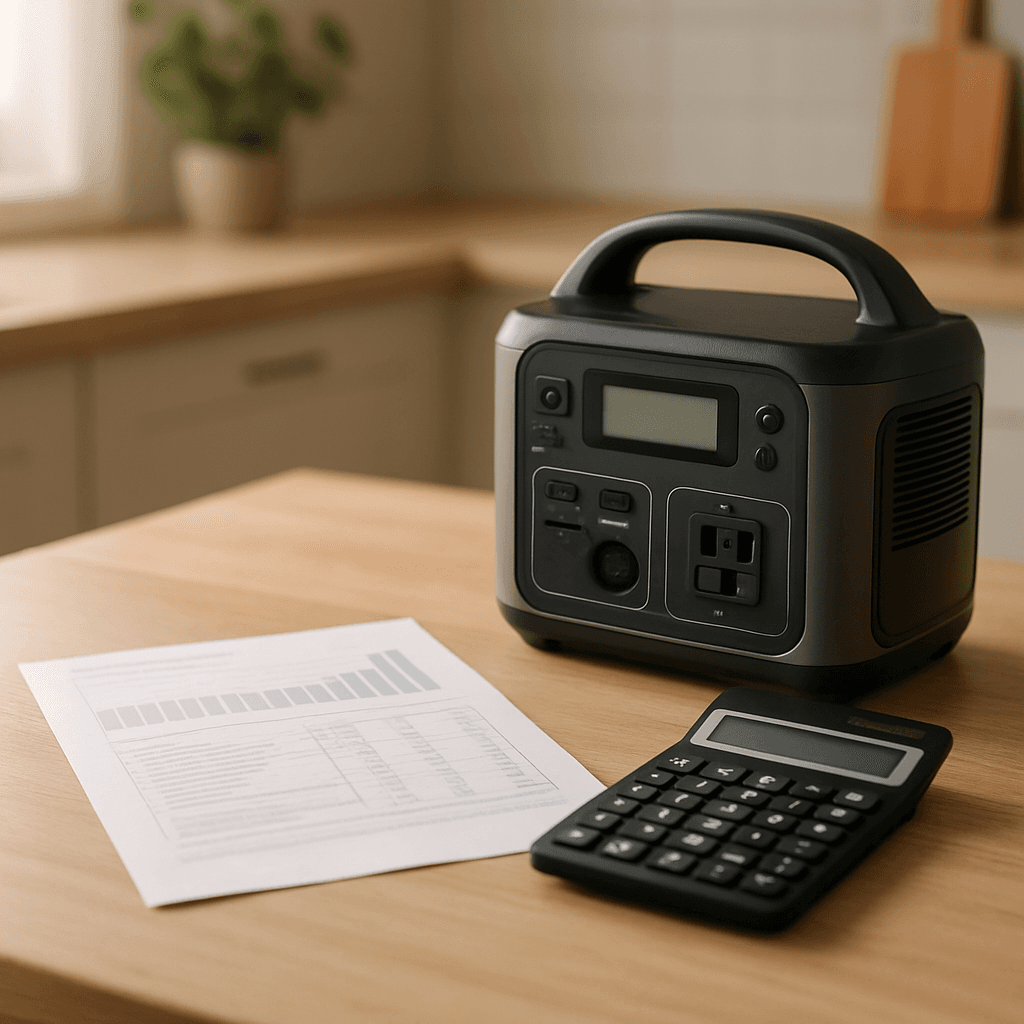
How Much Does It Actually Cost to Run a Power Station vs. Grid Electricity?
A power station doesn't generate cheaper electricity — it stores grid or solar power for later. Here's the honest math on what that actually costs you per kWh.