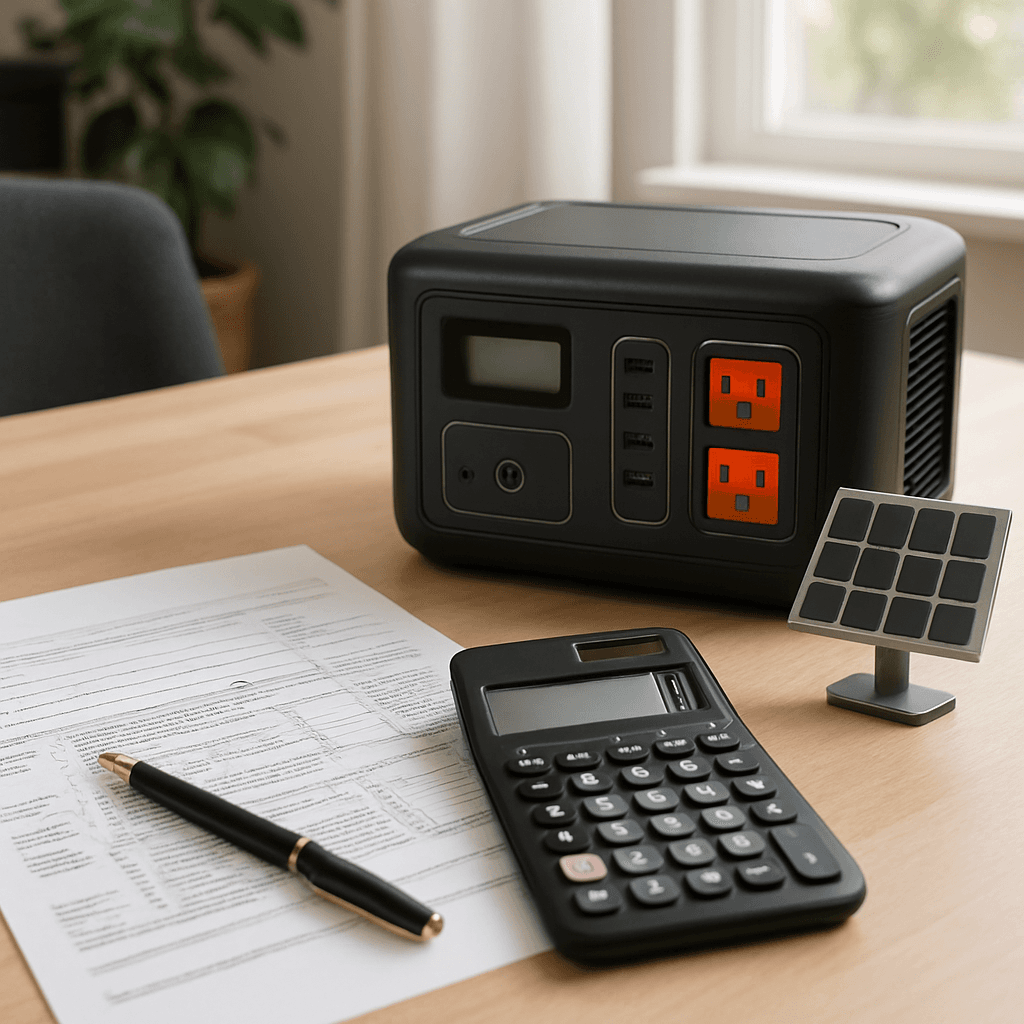
Do Portable Power Stations Qualify for Tax Credits or Rebates?
Usually, no. A standard portable power station you plug into a wall outlet doesn't qualify for the federal Residential Clean Energy Credit, because the credit requires the battery to be permanently installed as part of your home's electrical system — not just plugged in. Larger, professionally installed setups are a different story.
Why Most Portable Units Don't Qualify
The federal Residential Clean Energy Credit offers 30% back on qualifying home battery storage, but two requirements trip up most portable power station buyers:
- It must be installed, not portable. The IRS guidance is written around fixed home energy systems — a unit you carry to a campsite or unplug and move around doesn't meet the "installed" standard, even if it's technically capable of backing up your home.
- It must meet a minimum capacity threshold, generally 3 kWh (3,000Wh). Many popular portable units (245Wh–1,500Wh) fall short of this on their own.
Setups That Might Actually Qualify
- A large, expandable unit permanently wired in with a transfer switch or Smart Home Panel — something like an EcoFlow Delta Pro Ultra or EcoFlow Delta Pro 3 installed by a licensed electrician, at or above the 3kWh threshold, has a real case for qualifying — but "portable" branding doesn't disqualify it if the actual installation is fixed and meets IRS requirements.
- Any battery installed alongside a qualifying solar system, since battery storage paired with solar has a more established path to the credit than standalone battery storage.
What to Actually Do Before Assuming You Qualify
- Talk to a tax professional before you buy, not after — eligibility depends on your specific installation and how it's documented, and rules around domestic manufacturing content have gotten stricter, which can affect whether specific products qualify even when installed correctly.
- Keep every receipt and installation record if you do install a larger system, since you'll need documentation to claim the credit.
- Don't let a possible tax credit be the deciding factor for a standard plug-and-play portable power station purchase — for the vast majority of buyers in the 500Wh–2,500Wh range, it simply won't apply.
State and Utility Rebates Can Be More Realistic
Even when the federal credit doesn't apply, some states and utilities offer their own storage incentives that are worth checking regardless of how "portable" your setup is:
| Program | What It Offers |
|---|---|
| California Self-Generation Incentive Program (SGIP) | Rebates up to $1,000/kWh, higher for medically vulnerable or high-wildfire-risk households |
| Connecticut Energy Storage Solutions | Up to $16,000 per residential installation |
| New York NYSERDA | Rebates for grid-connected storage systems up to 25kWh |
Availability, amounts, and eligibility rules for programs like these change over time and vary significantly by utility territory — check your specific state energy office or utility's current program page before assuming any number here still applies.
The Honest Bottom Line
If you're buying a portable power station for camping, RV use, or general emergency backup in the sub-3kWh range, budget for it as a straightforward purchase — don't factor in a tax credit that almost certainly won't apply. If you're seriously considering a larger, professionally installed system specifically because of potential tax benefits, get a written opinion from a tax professional and your installer before committing, since the requirements are specific and the consequences of assuming incorrectly (and having a claim rejected) aren't worth the risk.
Frequently Asked Questions
Does a solar panel bundle change whether my power station qualifies for a tax credit?
Not on its own — pairing a portable power station with a solar panel doesn't make it "installed" in the IRS sense. The credit is aimed at fixed home energy systems, and a portable panel-plus-power-station combo you set up and pack away doesn't meet that bar.
Can I claim a state rebate and the federal credit at the same time?
Sometimes, depending on the specific programs — some state and utility rebates are designed to stack with the federal credit, while others reduce the federal credit's calculation base. Check both programs' current rules or ask a tax professional before assuming you can claim both in full.
Is it worth buying a bigger, installed system just to qualify for the tax credit?
Generally no — buy the system sized correctly for your actual backup needs (see our wattage sizing guide), and treat any tax credit as a possible bonus if you happen to qualify, not the reason for the purchase.
Related Articles
 Solar & Technical Guides
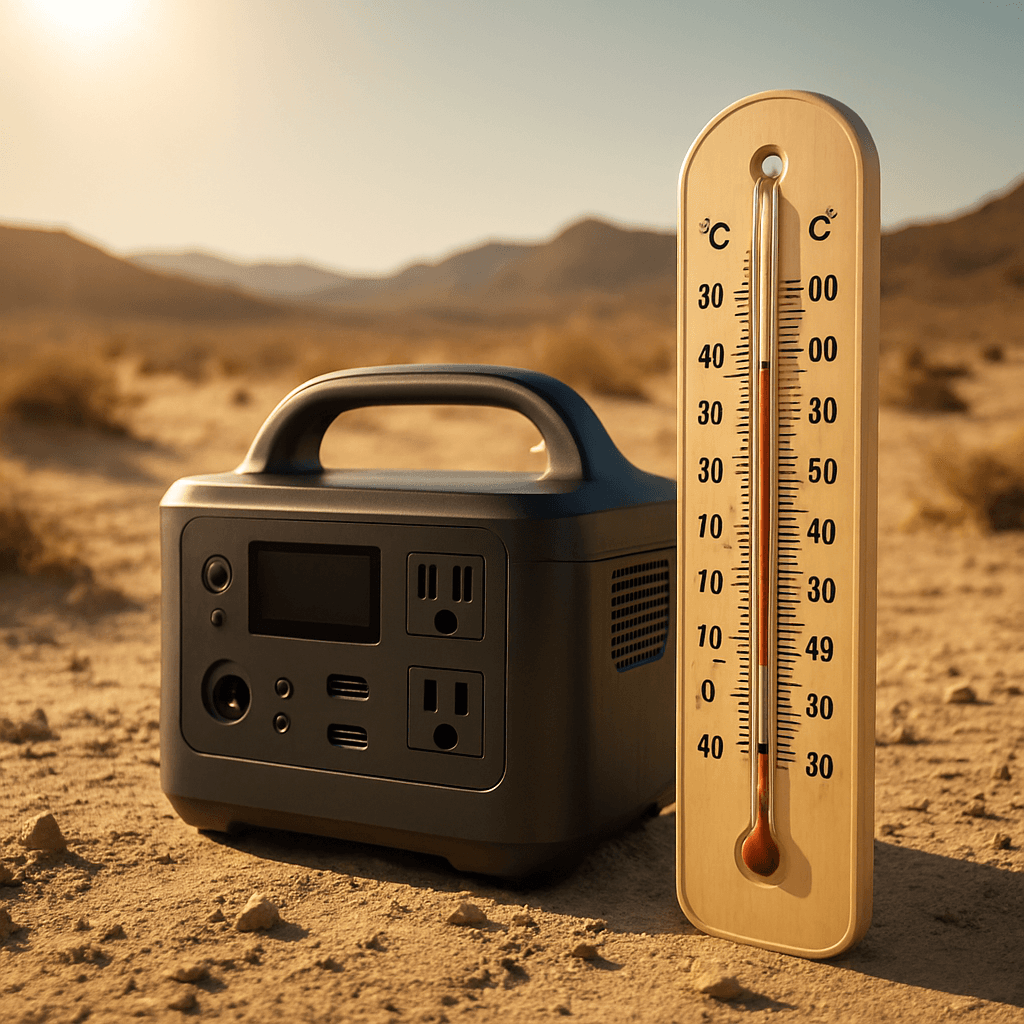
How Extreme Heat Affects Your Power Station (And What Desert Climates Need to Know)
Sustained heat above 113°F can cut a power station's usable lifespan roughly in half. Here's the real degradation math and what to actually do about it in hot climates.
 Solar & Technical Guides
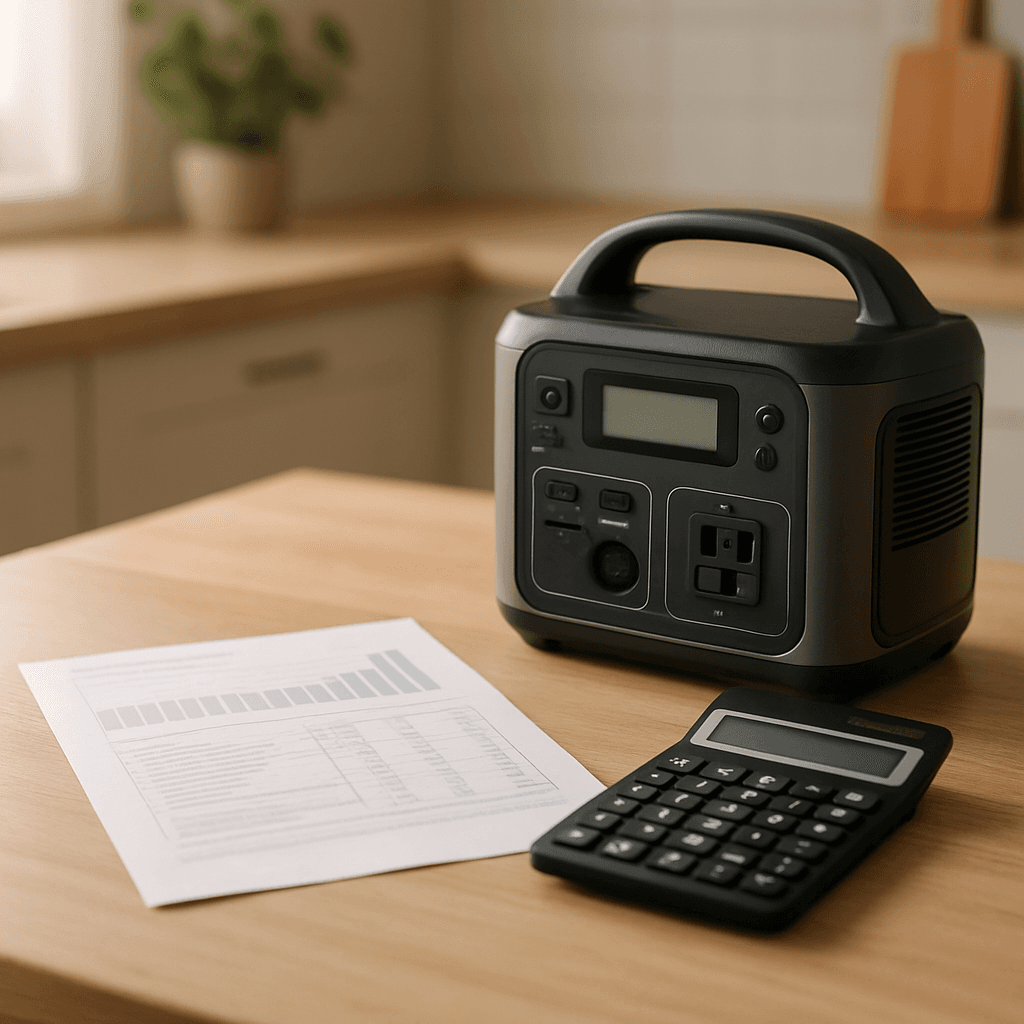
How Much Does It Actually Cost to Run a Power Station vs. Grid Electricity?
A power station doesn't generate cheaper electricity — it stores grid or solar power for later. Here's the honest math on what that actually costs you per kWh.
 Solar & Technical Guides
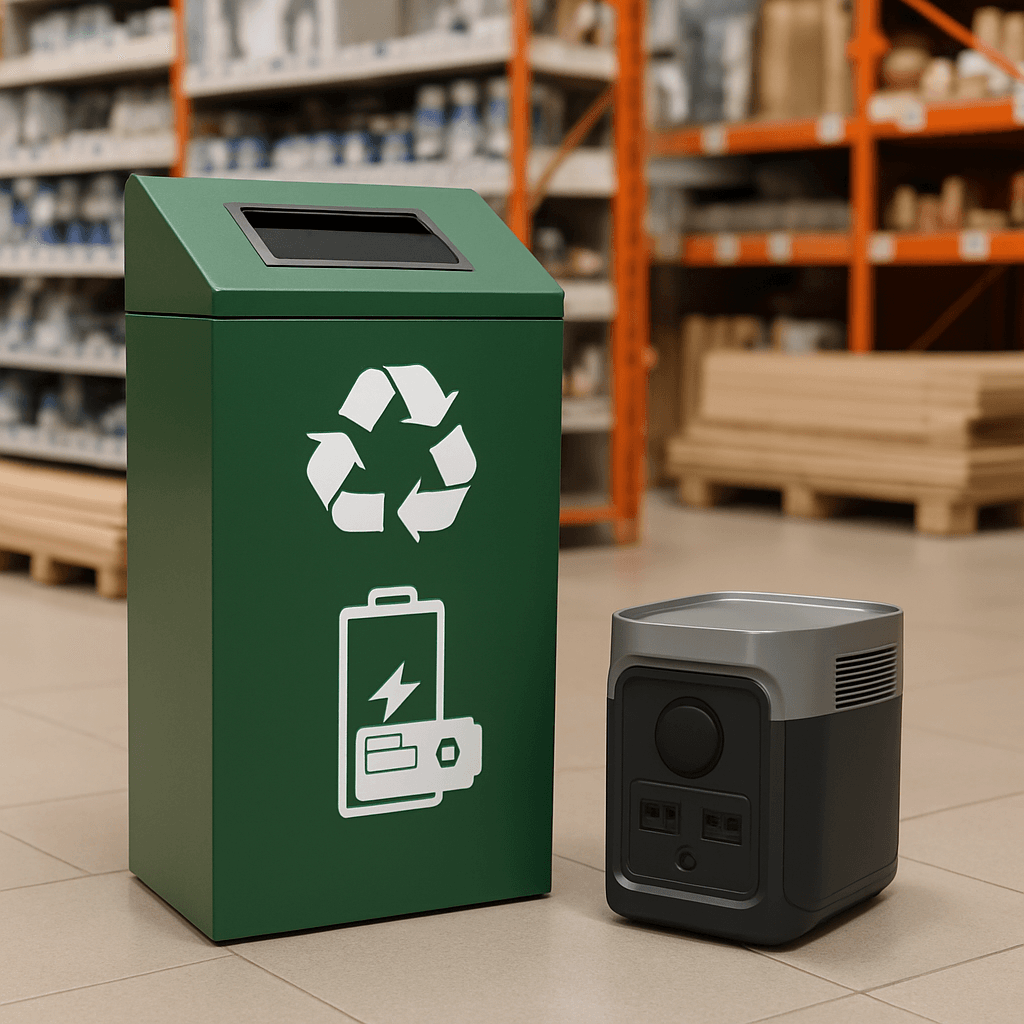
How to Safely Recycle or Dispose of a Power Station Battery
Never throw a power station in the trash or curbside recycling — lithium batteries are a real fire risk in waste systems. Here's how to actually dispose of one safely.