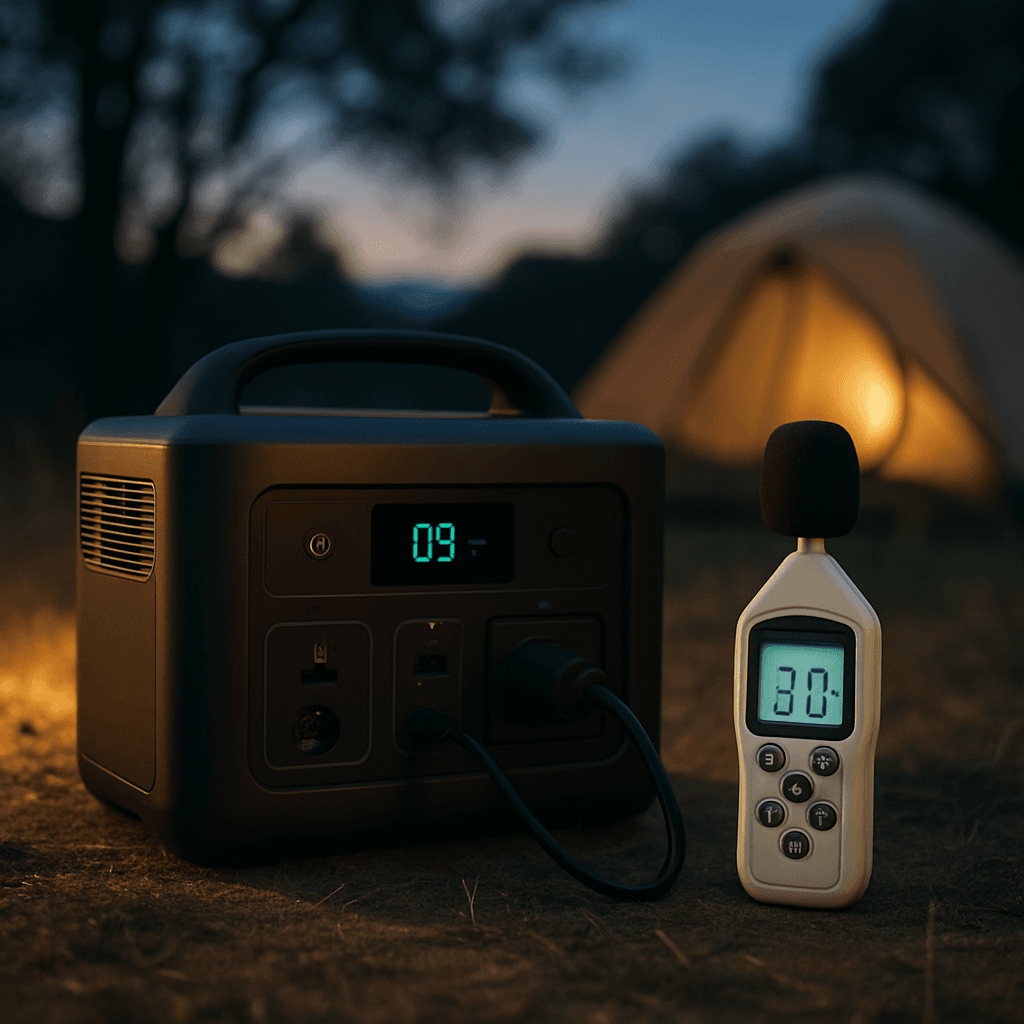
How Loud Are Portable Power Stations? Real Noise Levels Explained
Most portable power stations are genuinely silent at idle (no measurable fan noise), but the internal cooling fan typically kicks in at 35-55 decibels under moderate load and can reach 55-65 decibels during fast charging or high-output use — quiet compared to a gas generator, but not the literal silence "whisper-quiet" marketing sometimes implies. Here's what's actually happening inside the unit, and when the difference matters.
Why "Silent" Marketing Claims Are Only Half True
A power station has no combustion engine, so it's correct that it produces zero exhaust noise and no mechanical vibration the way a gas generator does. But it does have real internal electronics — an inverter and a battery management system — that generate heat, especially when converting stored DC battery power to AC output or during fast charging. Nearly every mid-to-large power station uses an active cooling fan to manage that heat, and that fan is the actual source of the noise you'll hear. At idle or light loads, many units keep the fan off entirely or run it low enough to be inaudible; push the same unit toward its rated output or a fast-charge session, and the fan often spins up noticeably.
Decibel Levels by Activity
| Activity | Typical Noise Level | Reference Comparison |
|---|---|---|
| Idle / standby (no load) | Silent to ~25dB | Quieter than a whisper |
| Light load (phone/laptop charging, small lights) | 25-35dB | Quiet library |
| Moderate load (fridge, several devices) | 35-55dB | Normal conversation |
| Heavy load or fast AC charging | 55-65dB | Vacuum cleaner |
| Gas generator (for comparison) | 60-90dB | Motorcycle to lawn mower |
These are general patterns across the category, not a guarantee for any specific model — see the CDC's noise exposure reference for how these decibel levels compare to sounds you already know, and always check a specific unit's spec sheet or independent reviews if fan noise is a deciding factor for your use case.
When Fan Noise Actually Matters
For most buyers, this is a non-issue — a few minutes of moderate fan noise during a fast charge doesn't meaningfully affect a home backup or weekend camping setup. It matters more in a few specific situations:
- Sleeping in the same room or tent as the unit, especially during an overnight fast charge — see our CPAP power guide if you're running medical equipment overnight and want the quietest possible setup.
- Shared or quiet campgrounds with noise-conscious neighbors, where even a moderate fan hum stands out against genuine outdoor silence.
- Stealth van life or overlanding setups, where staying inconspicuous is part of the point — see our van life power station setup guide for the broader setup considerations.
- Thin-walled apartments, where a unit charging overnight in a hallway closet might be audible in an adjacent bedroom.
What Manufacturers Don't Put on the Spec Sheet
Here's a genuinely useful buying signal: most power station spec sheets simply don't list a decibel rating at all, even though the fan noise is easy to measure. Brands that do publish a specific dB figure for fan noise are generally the ones confident enough in their thermal design to put a number behind the claim — treat a missing noise spec as neutral, but treat a specific, cited number as a small positive signal worth weighing alongside capacity and output when noise matters for your use case.
How to Reduce Fan Noise in Practice
- Avoid fast-charging overnight in a sleeping space — a slower standard charge often runs the fan less aggressively, at the cost of longer charge time.
- Keep the unit's vents unobstructed, since a fan working harder against blocked airflow tends to run louder, not just less effectively — see our maintenance guide for the full airflow best practices.
- Position it a few extra feet away where practical — sound intensity drops off quickly with distance, so even a short distance change makes a real difference for light sleepers.
Frequently Asked Questions
Are any portable power stations completely silent, even under load?
Very few, if any, in the mid-to-large capacity range — the physics of managing inverter and charging heat generally requires active cooling once output climbs. Smaller, lower-output units are more likely to stay fan-free longer, but check independent reviews for real-world noise reports rather than relying on "silent" marketing language alone.
Is a loud fan a sign something is wrong with my power station?
Not necessarily — fan noise that scales with load (louder during heavy use or fast charging, quiet at idle) is normal thermal management. A fan that runs loudly at idle with no load, or a noise that's grinding or irregular rather than a steady hum, is worth contacting the manufacturer about.
Related Articles
 Solar & Technical Guides
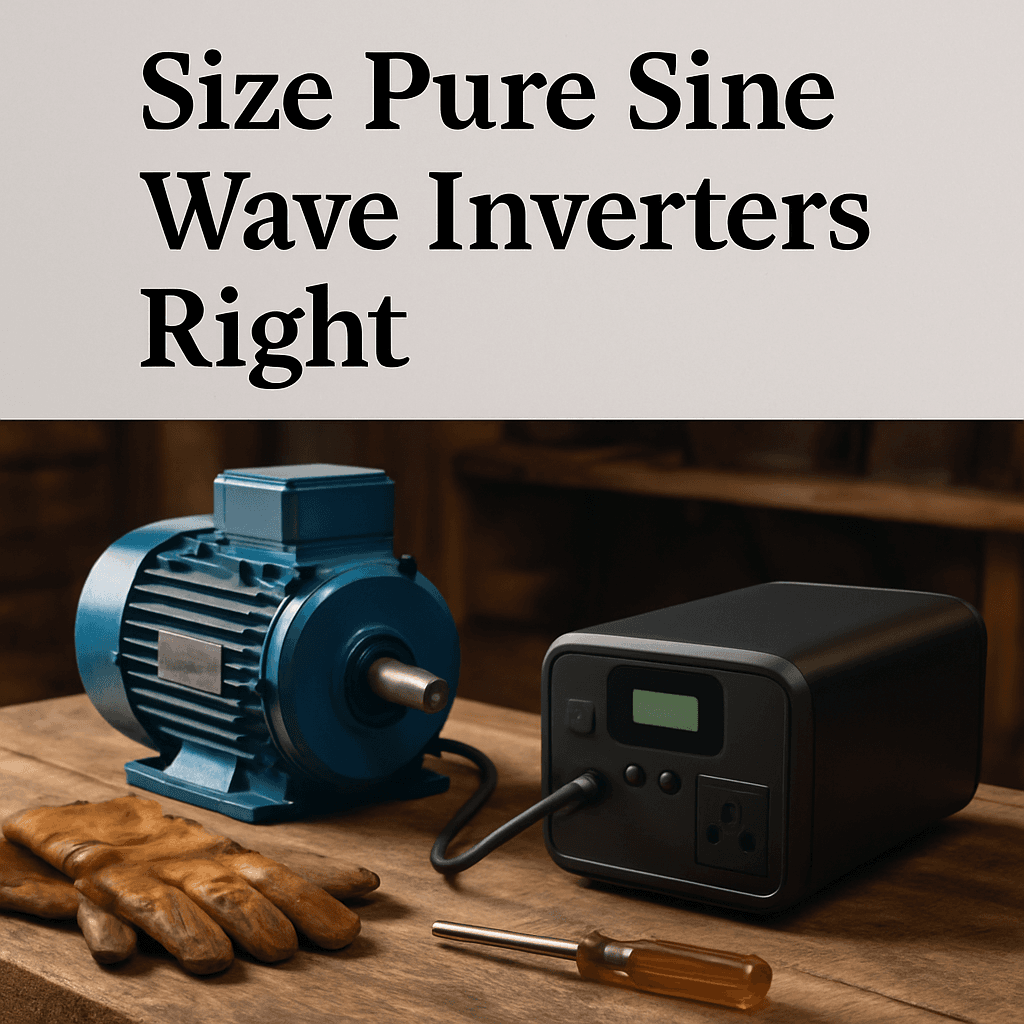
Size Pure Sine Wave Inverters Right: Use the 3-4x Surge Rule
A pure sine wave inverter needs headroom for startup surge, not just running watts. Here's how to size one correctly, and when you can skip it entirely.
 Solar & Technical Guides
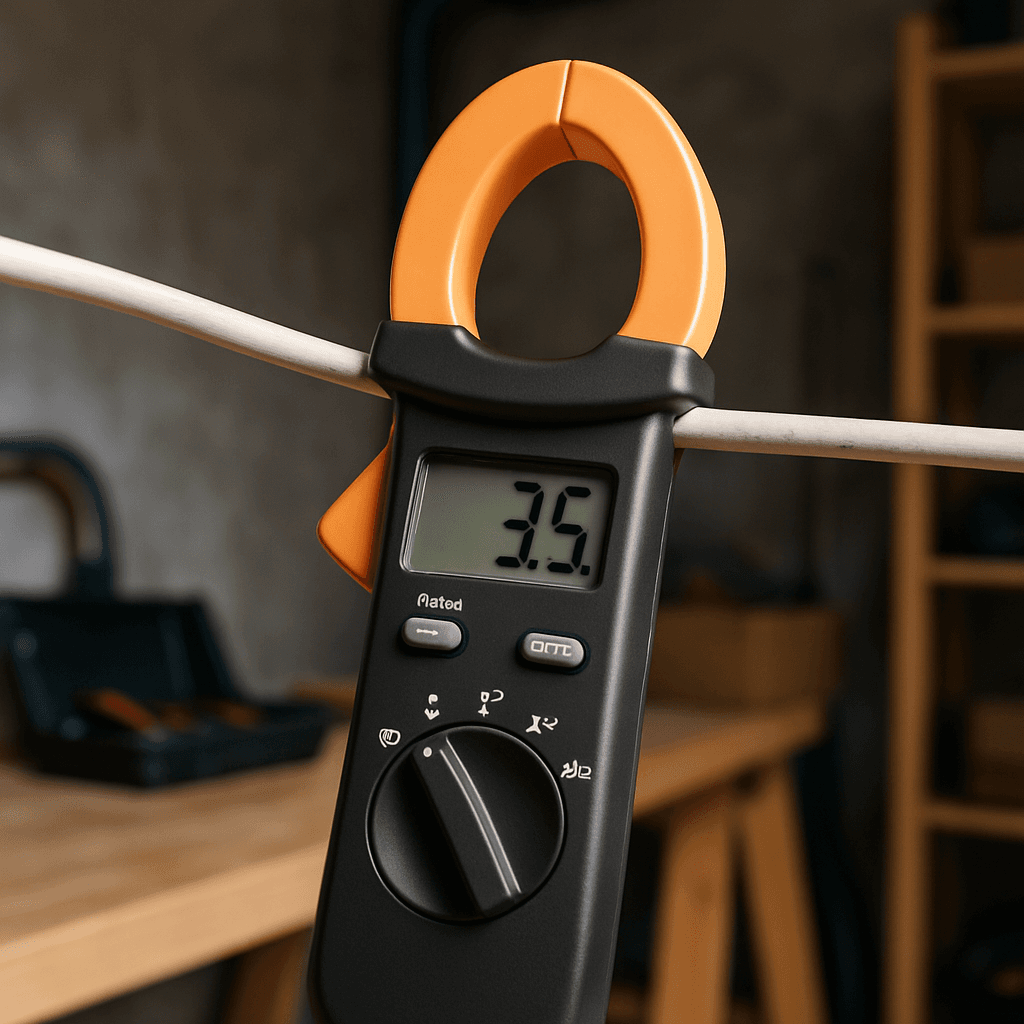
Amps to Watts: The Conversion Formula Explained (With Real Examples)
To convert amps to watts, multiply current by voltage. Here's the formula, worked examples at common voltages, and when power factor changes the math.
 Solar & Technical Guides
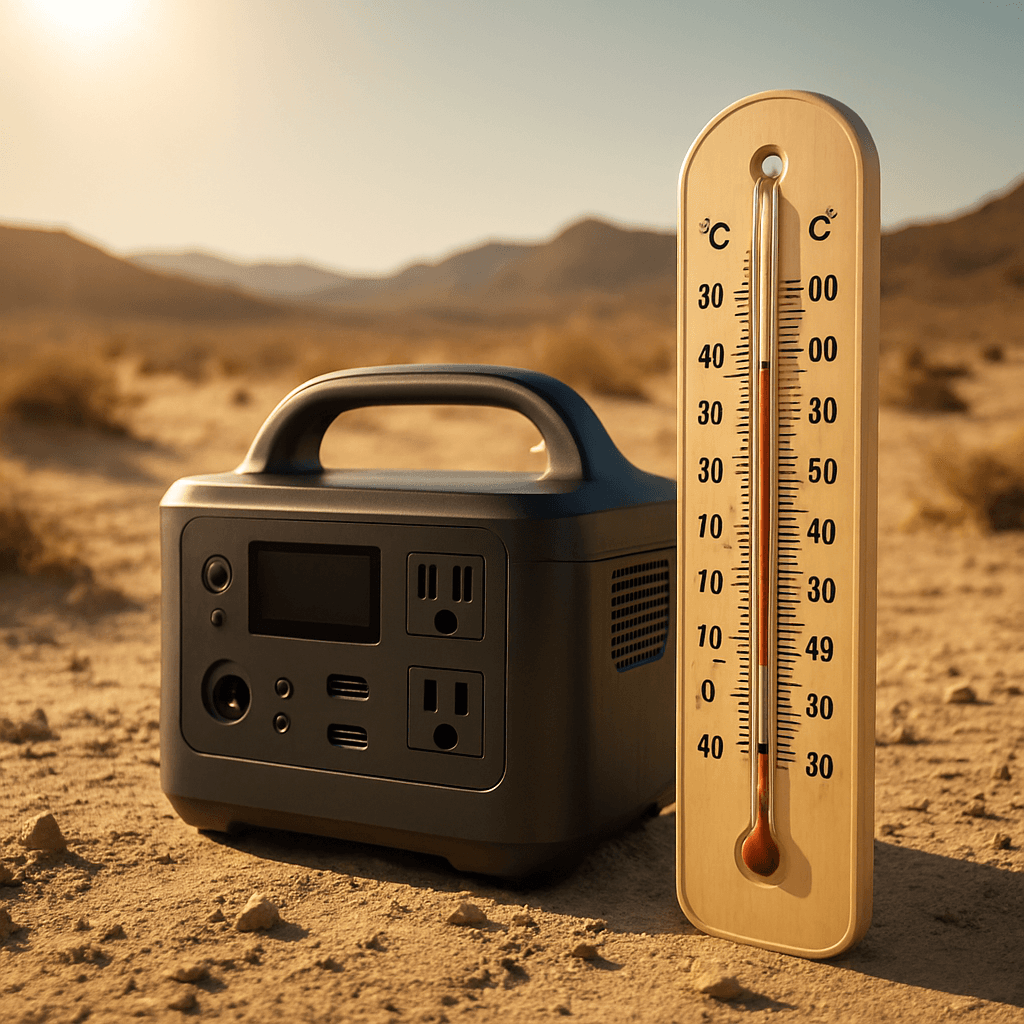
How Extreme Heat Affects Your Power Station (And What Desert Climates Need to Know)
Sustained heat above 113°F can cut a power station's usable lifespan roughly in half. Here's the real degradation math and what to actually do about it in hot climates.