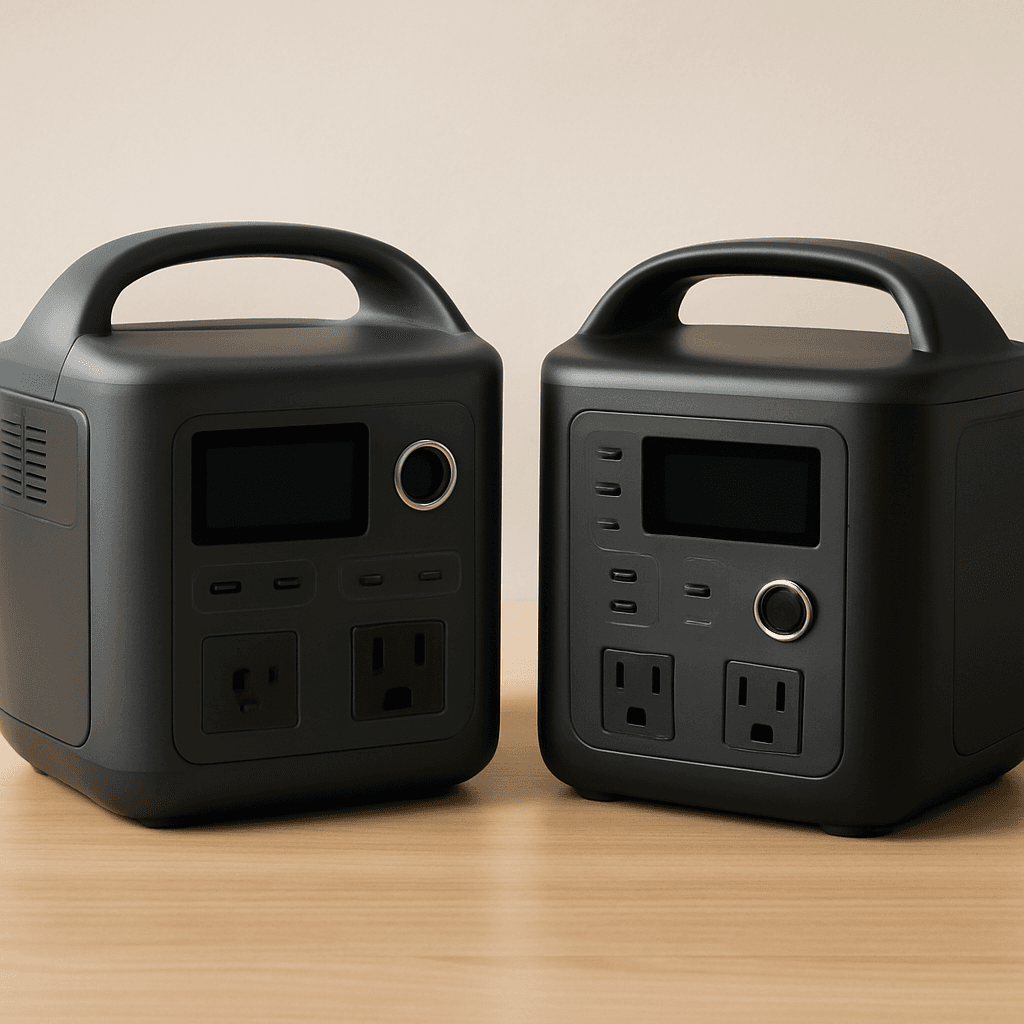
Jackery vs EcoFlow: Which Power Station Brand Is Better in 2026?
Jackery and EcoFlow are the two brands most US shoppers land on when researching portable power stations — and for good reason, both make genuinely solid products. But they take noticeably different approaches to design priorities. Here's how they actually compare.
Quick Verdict
Choose Jackery if portability, simplicity, and a slightly lower price point matter most to you. Choose EcoFlow if you want faster charging, higher output ceilings, and a system that can expand into true whole-home backup over time.
Head-to-Head: Flagship Comparable Models
| Spec | Jackery Explorer 1000 v2 | EcoFlow Delta 2 Max |
|---|---|---|
| Capacity | 1,070Wh | 2,048Wh (expandable to 6,144Wh) |
| Continuous Output | 1,500W | 2,400W (3,400W X-Boost) |
| Weight | 23.8 lbs | 50 lbs |
| Battery Chemistry | LiFePO4 | LiFePO4 |
| Full Recharge Time (AC) | ~1 hour | 80% in 43 minutes |
| Approx. Price | ~$599 | ~$849 |
Need more capacity than either of these? See our EcoFlow Delta Pro 3 review for EcoFlow's larger flagship.
Portability
Jackery consistently builds lighter, more compact units at every capacity tier. The Explorer 1000 v2 at 23.8 lbs is genuinely easy to carry one-handed; EcoFlow's comparable-capacity units tend to run heavier because of their higher-output internal components. If you're prioritizing camping and portability over raw capacity, Jackery has the edge — see our full Jackery Explorer 1000 v2 review.
Charging Speed & Expandability
This is where EcoFlow pulls ahead. The Delta 2 Max charges to 80% in 43 minutes and can expand to 6,144Wh with add-on batteries — genuinely competitive with whole-home backup systems. Jackery's expandable line (the Explorer 2000 Plus) also scales up to 12kWh, but EcoFlow's charging speed remains the faster of the two brands across most comparable tiers. Full breakdown in our EcoFlow Delta 2 Max review.
Output Power
EcoFlow's X-Boost technology pushes usable output well above the continuous rating (3,400W from a 2,400W-rated unit), which matters if you need to briefly run higher-draw appliances like a microwave or space heater. Jackery's output ratings are more conservative but consistent.
App & Smart Features
Both brands offer companion apps with Bluetooth/Wi-Fi monitoring, remote on/off, and firmware updates. EcoFlow's app ecosystem is generally considered slightly more mature, with more granular charge-limit and X-Boost controls; Jackery's app covers the essentials without extra complexity.
Price
At comparable capacity tiers, Jackery tends to launch and sell slightly cheaper than EcoFlow, though both brands run frequent, steep sales (30–50% off list price is common for both). Always compare current sale pricing rather than MSRP when deciding.
Warranty and Support
Both brands stand behind their products with multi-year warranties, though exact terms vary by model and have changed over time for both companies — always confirm the current warranty length for the specific model you're buying directly on the manufacturer's site rather than relying on older reviews. See our warranty comparison for what's typically covered across brands. Both Jackery and EcoFlow offer online support tickets, and both have active user communities (subreddits, Facebook groups) where owners troubleshoot common issues, which can be a faster first stop than official support for minor questions.
Which Should You Buy?
- Camping, van life, portability-first: Jackery
- Home backup, expandability, fastest recharge: EcoFlow
- Tightest budget: Jackery, generally the lower entry price at equivalent capacity
- Running heavier appliances briefly: EcoFlow, thanks to X-Boost
Still not sure which capacity tier you need from either brand? Start with our wattage sizing guide, or see the full field in our ranked list of the best power stations in 2026.
Frequently Asked Questions
Is EcoFlow more reliable than Jackery?
Both brands have strong overall reliability track records with 2–5 year warranties depending on the model. Neither brand has a clear reliability edge over the other based on aggregated owner feedback — the better choice depends on which feature set (portability vs. charging speed/output) matters more for your use case.
Do Jackery and EcoFlow both use LiFePO4 batteries?
Yes, across nearly their entire current 2026 lineups both brands have standardized on LiFePO4 chemistry, which offers significantly longer cycle life than older lithium-ion or NMC batteries.
Related Articles
 Comparisons & Buying Guides
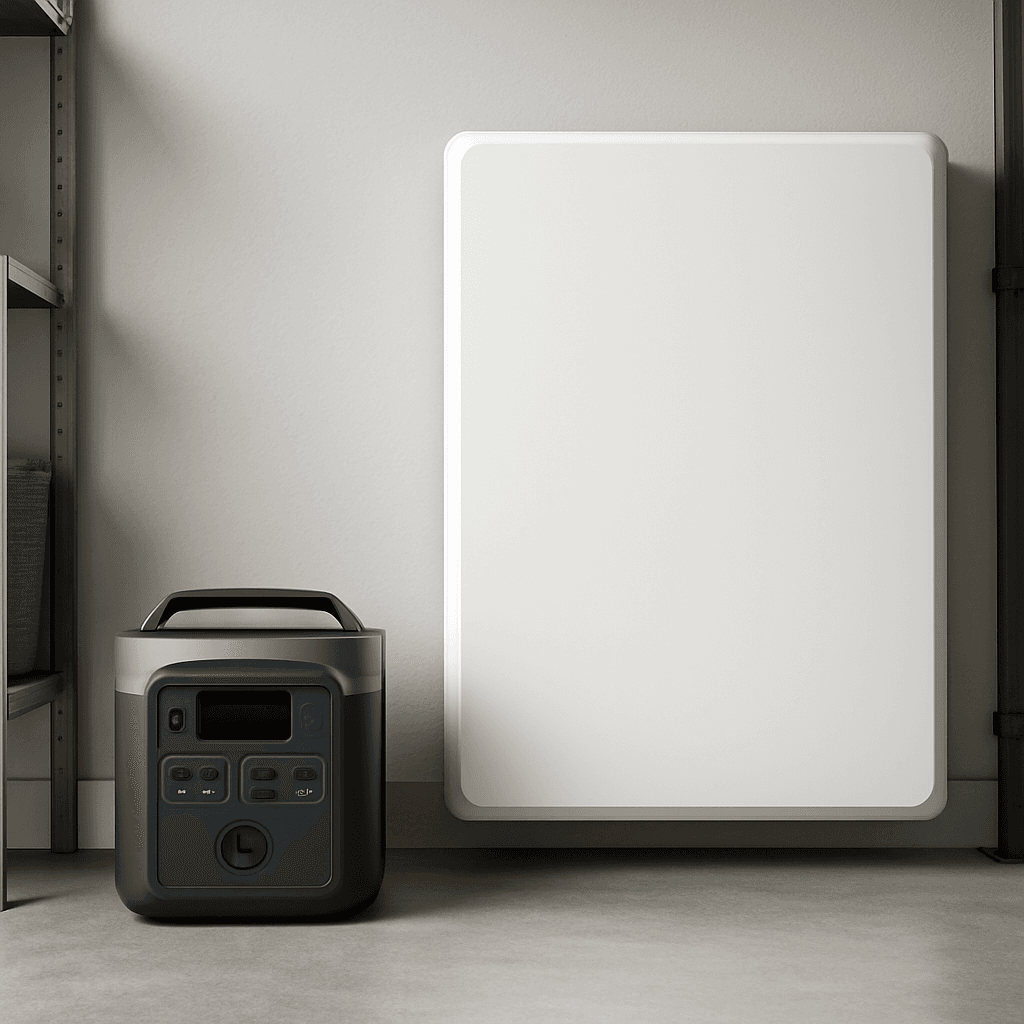
Portable Power Station vs. Whole-Home Battery System: Which Do You Actually Need?
A Tesla Powerwall costs $11,500-$16,000+ installed. A portable power station covers most of the same essentials for a fraction of that. Here's how to actually decide.
 Comparisons & Buying Guides
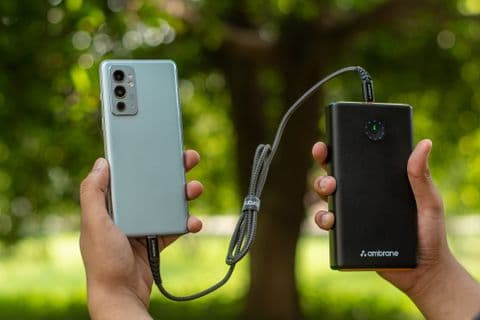
Power Bank vs. Power Station: What's the Real Difference?
They both store and dispense electricity, but a power bank and a power station aren't interchangeable. Here's what actually separates them and which one you need.
 Comparisons & Buying Guides
Can You Rent a Portable Power Station Instead of Buying One?
Renting is a real option if you only need backup power for a single trip or event. Here's where to actually rent one, real costs, and when renting beats buying.