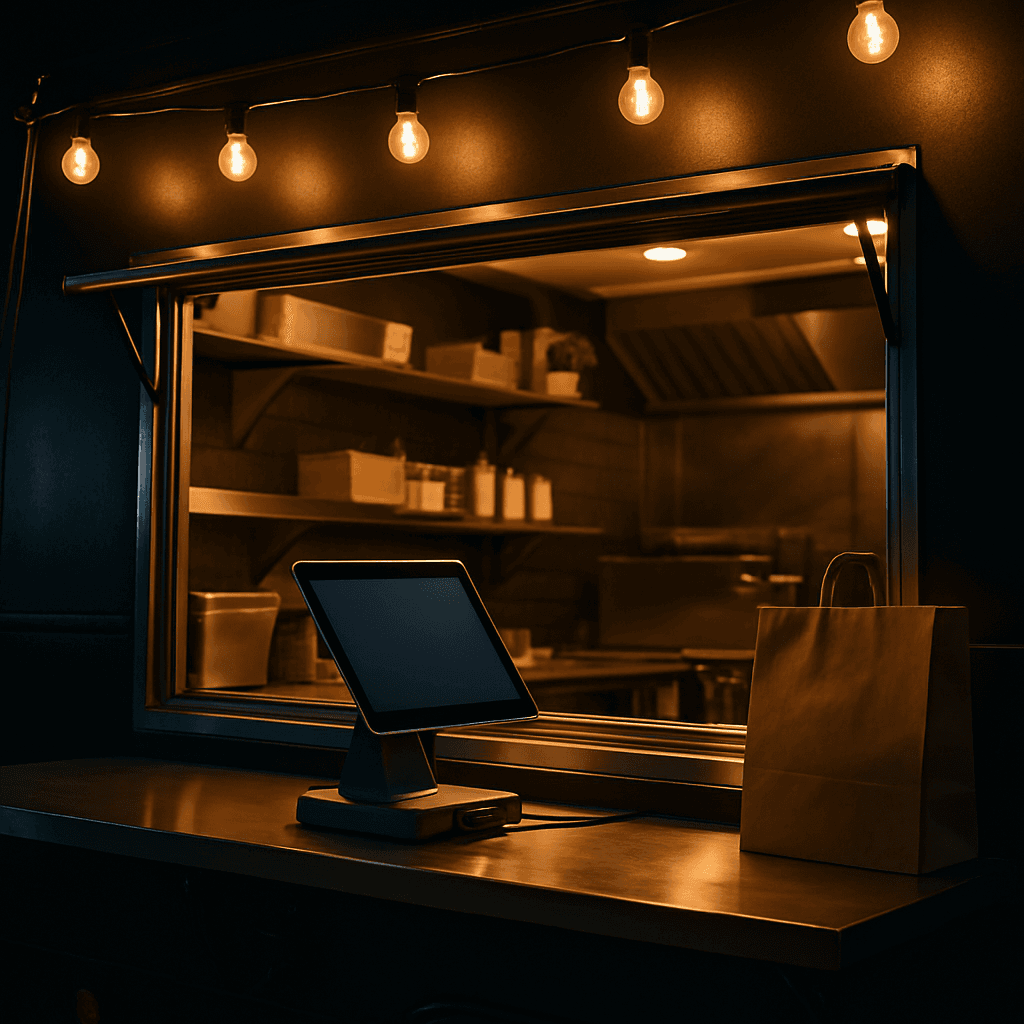
Best Power Station for Food Trucks and Vendors
Food trucks and outdoor vendors face a specific power challenge: equipment that draws real wattage (POS systems, lighting, small appliances, refrigeration) in a setting where a loud, fume-producing generator is a genuine customer-experience problem.
What Food Truck Power Actually Requires
- High continuous output to run multiple pieces of equipment simultaneously
- Silent operation — unlike a generator, customers standing at your window won't hear a power station running
- Zero emissions, which matters both for customer experience and for any local ordinances restricting generator use near food service
- Enough capacity for a full service day, or a solid recharging plan between shifts
Estimating Your Load
Add up your actual equipment wattage — POS system/tablet (10-20W), string lighting (20-50W), a small warmer or induction burner (varies widely, often 1,000W+), and a small fridge or cooler (60-150W average). Higher-draw cooking equipment (griddles, fryers) generally exceeds what any portable power station can support and should stay on propane or a dedicated generator — reserve the power station for lighting, POS, refrigeration, and small appliances. Use our wattage sizing guide to total your specific equipment list.
Our Top Picks
EcoFlow Delta 2 Max — 2,048Wh, 2,400W output, fast recharge between shifts. Handles POS, lighting, and refrigeration for a full service day with room to spare.
Jackery Explorer 2000 Plus — 2,042Wh expandable to 12kWh, very quiet. The best pick if you run longer service days or multiple events and want to scale capacity as your business grows.
Bluetti AC200L — 2,048Wh with dual AC+solar charging. Useful if you're vending at outdoor markets or festivals where solar charging between events is practical.
Recharging Between Shifts
Most vendors recharge overnight via standard AC power, which comfortably tops off a 2,000Wh-class unit before the next service day given typical charging speeds of under 2 hours for a full charge on the units above. If you're doing back-to-back events without overnight access to power, consider a second unit or expandable capacity rather than trying to stretch one unit across multiple days.
Health Department and Fire Marshal Considerations
Depending on your jurisdiction, food service inspectors and fire marshals may have specific requirements around equipment near cooking areas, cord management, and generator/battery placement relative to your service window and propane setup — check your local health department and fire code requirements before your first inspection, since these vary by city and county and aren't always intuitive. Keeping your power station and its cables clearly organized and away from cooking heat and grease isn't just good practice, it's often a literal inspection point.
Seasonal Vendors: Storage Between Seasons
If you only operate seasonally (a summer festival circuit, a holiday market schedule) rather than year-round, don't just leave your power station sitting at whatever charge level it had at the end of the season — bring it to roughly 50-60% charge for storage and check on it periodically during the off-season, the same way you'd store any LiFePO4 unit long-term. See our maintenance guide for the full storage best-practices list, so the unit is actually ready to go — not degraded — when next season starts.
Frequently Asked Questions
Can a power station run a food truck's main cooking equipment?
Generally no — high-draw cooking equipment like griddles, fryers, and large ovens typically exceeds what a portable power station can support continuously. Reserve battery power for lighting, POS, refrigeration, and small appliances, and keep cooking equipment on propane or a dedicated generator.
Is a power station legal to use at farmers markets and festivals where generators are banned?
Many outdoor markets and festivals that restrict gas generators for noise or emissions reasons do allow battery power stations, since they're silent and emission-free — but always confirm with the specific event's rules, since policies vary by venue.
Related Articles
 Comparisons & Buying Guides
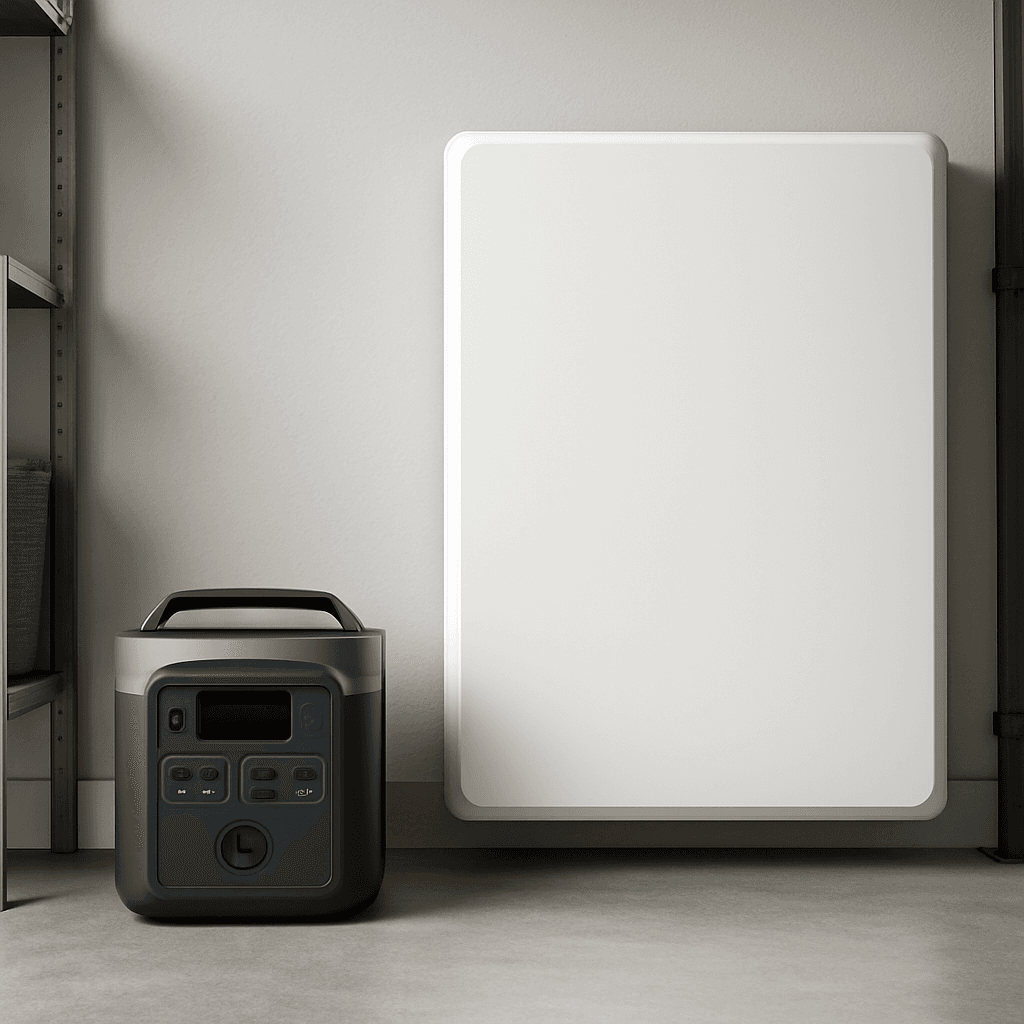
Portable Power Station vs. Whole-Home Battery System: Which Do You Actually Need?
A Tesla Powerwall costs $11,500-$16,000+ installed. A portable power station covers most of the same essentials for a fraction of that. Here's how to actually decide.
 Comparisons & Buying Guides
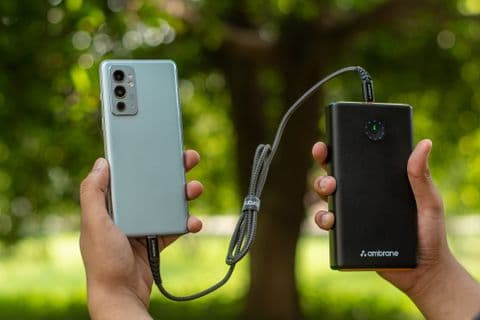
Power Bank vs. Power Station: What's the Real Difference?
They both store and dispense electricity, but a power bank and a power station aren't interchangeable. Here's what actually separates them and which one you need.
 Comparisons & Buying Guides
Can You Rent a Portable Power Station Instead of Buying One?
Renting is a real option if you only need backup power for a single trip or event. Here's where to actually rent one, real costs, and when renting beats buying.