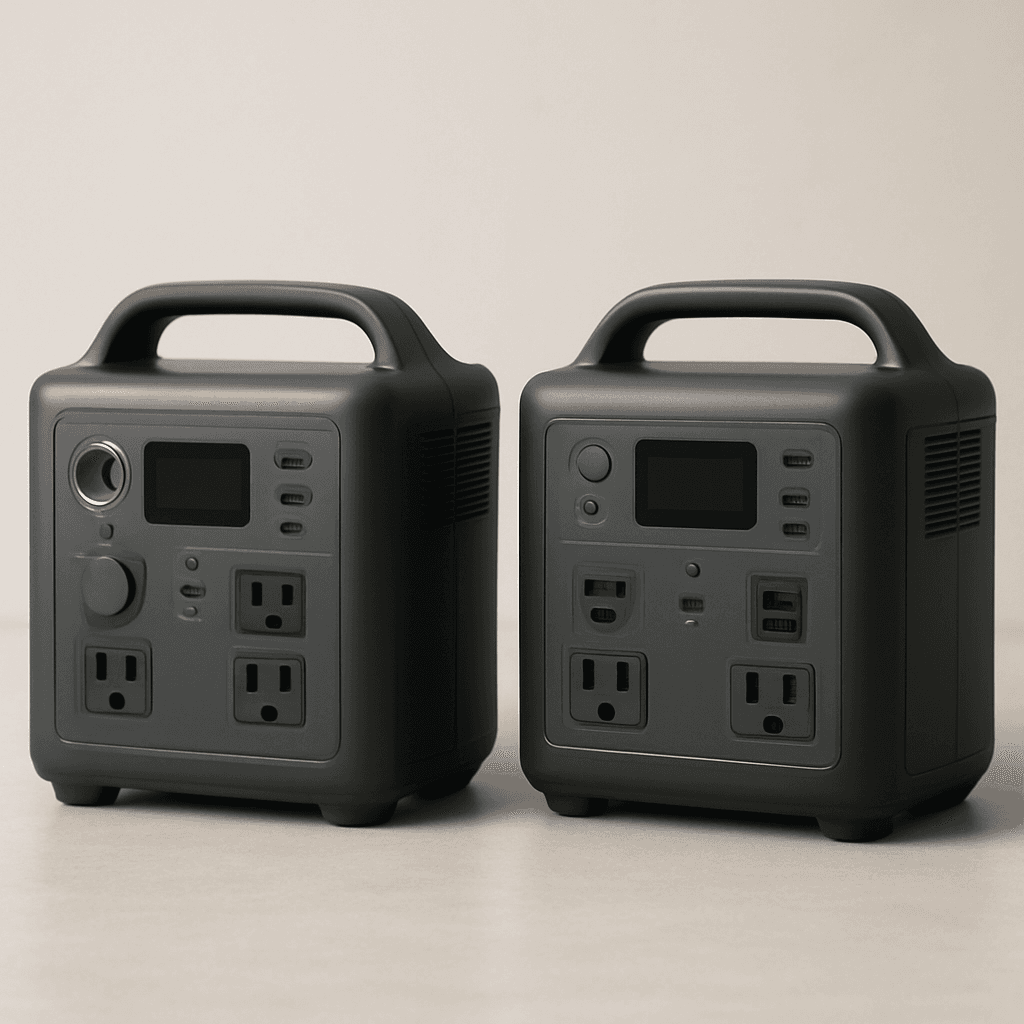
Jackery Explorer 1000 vs 1000 Plus: Full Comparison
Jackery's naming can be confusing — the Explorer 1000 v2 and the Explorer 1000 Plus sit close together in capacity but represent genuinely different products with different expansion philosophies.
Core Specs Comparison
| Spec | Explorer 1000 v2 | Explorer 1000 Plus |
|---|---|---|
| Capacity | 1,070Wh (fixed) | 1,264Wh (expandable) |
| Continuous output | 1,500W | 2,000W |
| Battery chemistry | LiFePO4 | LiFePO4 |
| Expandable | No | Yes, with add-on batteries |
| Weight | 23.8 lbs | Heavier, due to expansion architecture |
The Core Difference: Expandability
The Explorer 1000 v2, reviewed in full here, is a fixed-capacity unit — what you buy is what you get, optimized for portability and simplicity. The Explorer 1000 Plus is part of Jackery's expandable lineup, sharing its expansion battery architecture with the larger Explorer 2000 Plus, meaning you can scale capacity over time if your needs grow.
Which Should You Buy?
Choose the Explorer 1000 v2 if you want the lightest, simplest option and are confident 1,070Wh covers your needs long-term — it's the better pick for camping and portability-focused use. Choose the Explorer 1000 Plus if you want a starting point with room to grow, particularly if you're not yet sure whether you'll need more capacity down the line, since buying into the expandable ecosystem from the start avoids a full unit replacement later.
Output Difference Matters Too
The Explorer 1000 Plus's 2,000W continuous output (vs. 1,500W on the v2) gives it more headroom for higher-draw appliances like larger space heaters or power tools, independent of the expandability question. If you regularly need to run something in the 1,500-2,000W range, the 1000 Plus handles it natively where the v2 would be at its output ceiling.
Price Consideration
The Explorer 1000 v2 is generally the more budget-friendly of the two at comparable capacity, reflecting its simpler, non-expandable design. The Explorer 1000 Plus carries a premium for the expansion architecture and higher output, which is worth it specifically if you'll actually use those features.
Real-World Runtime Comparison
| Device | Explorer 1000 v2 (1,070Wh) | Explorer 1000 Plus (1,264Wh, base) |
|---|---|---|
| Mini fridge (80W avg) | ~13 hours | ~15.5 hours |
| CPAP machine (40W) | ~25+ nights | ~30+ nights |
| Space heater (1,500W, where output allows) | Not sustainable at full output | ~45 minutes at full 2,000W-adjacent draw |
The gap narrows for light loads (phone charging, laptops, lighting) where both units comfortably exceed a typical day's use — the runtime difference matters most for higher-draw devices where the Plus's larger base capacity and higher output ceiling actually come into play.
Solar Charging Differences
Both units accept solar input, but check your specific unit's max solar input rating before assuming they're interchangeable — the Explorer 1000 Plus's expansion-oriented design and higher output ceiling generally pairs with a correspondingly higher max solar input, letting a larger panel array recharge it proportionally faster. If solar is your primary charging method (van life, off-grid, extended camping), confirm the current spec for whichever model you're considering rather than assuming parity between them, since Jackery has adjusted solar input ratings across model refreshes.
Frequently Asked Questions
Can I add expansion batteries to the Explorer 1000 v2 later?
No — the Explorer 1000 v2 is a fixed-capacity design and isn't compatible with Jackery's expansion battery ecosystem. If future expandability matters to you, the Explorer 1000 Plus (or the larger Explorer 2000 Plus) is the right starting point instead.
Is the Explorer 1000 Plus heavier than the v2?
Yes — the expansion-compatible architecture and higher-output components generally add weight compared to the v2's simpler, lighter design. If portability is a top priority, factor this into your decision alongside the capacity and expandability differences.
Related Articles
 Comparisons & Buying Guides
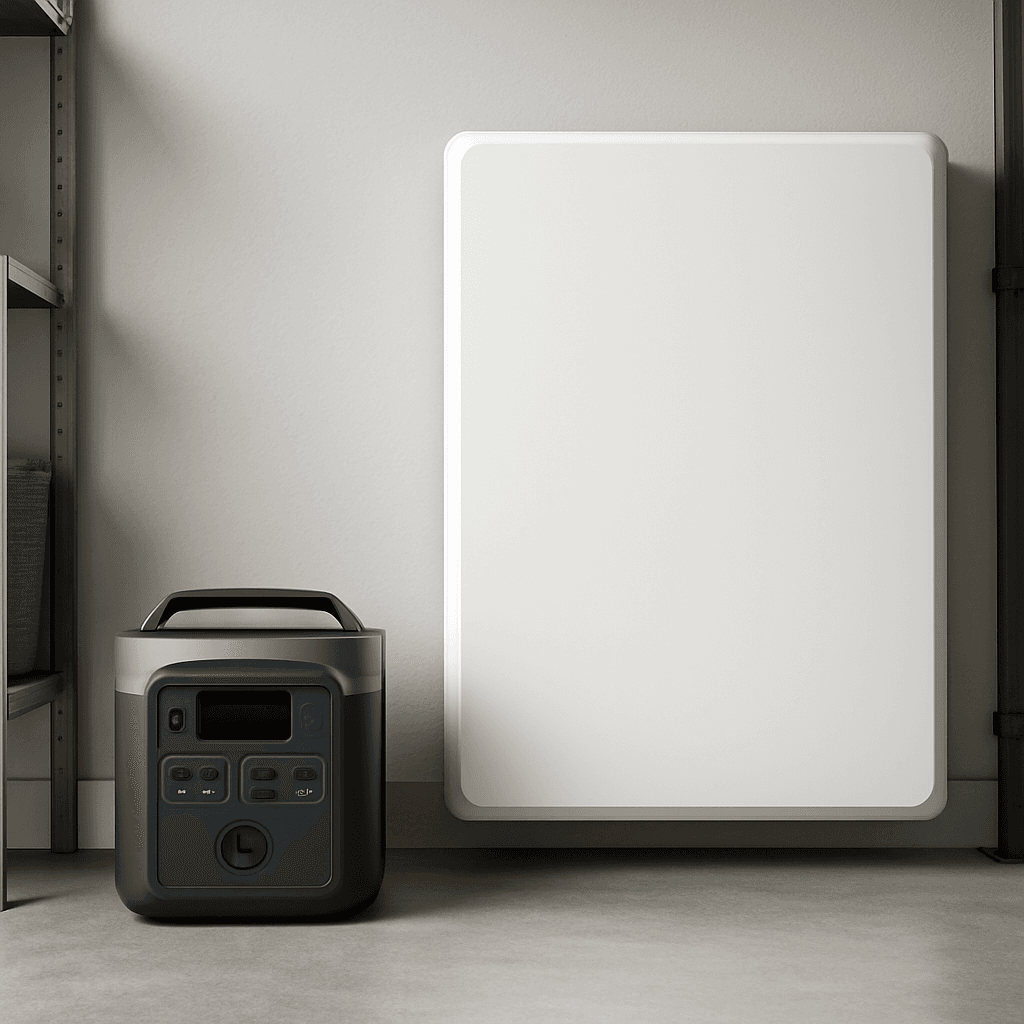
Portable Power Station vs. Whole-Home Battery System: Which Do You Actually Need?
A Tesla Powerwall costs $11,500-$16,000+ installed. A portable power station covers most of the same essentials for a fraction of that. Here's how to actually decide.
 Comparisons & Buying Guides
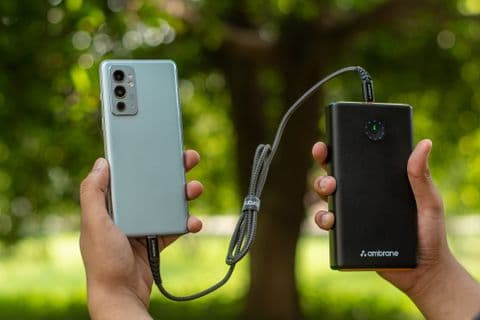
Power Bank vs. Power Station: What's the Real Difference?
They both store and dispense electricity, but a power bank and a power station aren't interchangeable. Here's what actually separates them and which one you need.
 Comparisons & Buying Guides
Can You Rent a Portable Power Station Instead of Buying One?
Renting is a real option if you only need backup power for a single trip or event. Here's where to actually rent one, real costs, and when renting beats buying.