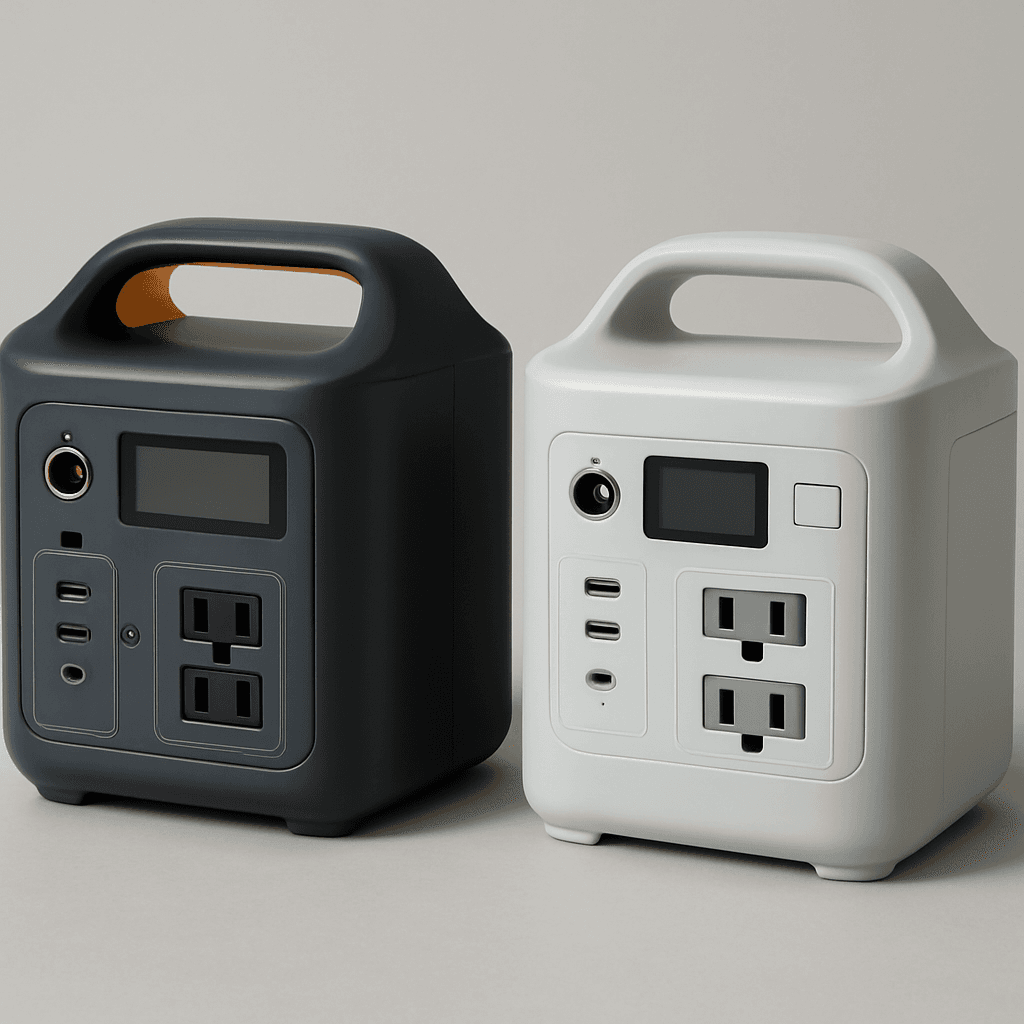
Bluetti and Anker SOLIX both target the same buyer: someone who wants a genuinely capable home backup unit, not just a camping accessory. Here's how the two brands actually stack up.
Brand Positioning
Bluetti built its reputation on raw capacity and expandability, with units like the AC200L and Elite 200 V2 emphasizing dual-input charging and industry-leading cycle life. Anker SOLIX, backed by Anker's broader consumer electronics ecosystem, leans harder into charging speed — its SOLIX F2000 HyperFlash technology is among the fastest in its capacity class.
Head-to-Head at Similar Capacity
| Category | Bluetti | Anker SOLIX |
|---|---|---|
| Flagship comparable unit | AC200L / Elite 200 V2 (2,048-2,073Wh) | SOLIX F2000 (2,048Wh) |
| Charging speed | 0-80% in 43-50 min (Elite 200 V2) | 0-80% in ~1 hour (HyperFlash) |
| Cycle life | Up to ~6,000 cycles (Elite 200 V2) | ~3,000 cycles (10-year rated) |
| Dual AC+solar charging | Yes (AC200L) | No |
| Max solar input | Up to 1,000W | Up to 1,000W |
Where Bluetti Wins
Bluetti's Elite 200 V2 has a genuine edge on raw battery longevity — its ~6,000-cycle rating roughly doubles what most competitors offer at similar capacity. The AC200L's simultaneous AC+solar charging is also a real practical advantage for anyone recharging during an active outage with intermittent sun.
Where Anker SOLIX Wins
Anker SOLIX's HyperFlash charging is marginally faster in raw 0-80% time, and Anker's broader ecosystem (smart plugs, other home electronics) gives it an edge for buyers already invested in Anker products. Anker also tends to run more frequent, deeper sales given its dominant Amazon retail presence.
Price and Value
Both brands price their comparable-capacity flagships similarly at MSRP, with Anker generally running steeper and more frequent Amazon-specific discounts, while Bluetti's sales tend to be concentrated around major shopping events. Neither brand has a consistent, unconditional price edge — check current pricing at time of purchase.
Which Should You Buy?
Choose Bluetti if maximum battery longevity or simultaneous dual-input charging matters most to your use case — particularly for hurricane season prep where recharging speed during intermittent power matters. Choose Anker SOLIX if you want the fastest possible single-input recharge and value Anker's broader ecosystem integration. For a full field of options beyond just these two brands, see our best portable power stations of 2026 ranking.
App and Smart Home Integration
Both brands offer companion apps for remote monitoring and control (checking charge level, toggling outputs, tracking usage history), but Anker's app benefits from tighter integration with the company's broader smart-plug and smart-home product line if you already own other Anker devices. Bluetti's app is functionally solid for monitoring and control but doesn't extend into a wider smart-home ecosystem the same way — a genuine consideration if you're already invested in one brand's connected-device lineup versus starting from scratch with either.
Noise and Physical Design
Both brands' flagship units run quiet during normal operation, with fan noise increasing under heavy load or fast charging on either brand — neither has a clear, consistent advantage here across their full lineups. Physically, Bluetti's units tend toward a more utilitarian, boxy design while Anker SOLIX leans into a sleeker, more consumer-electronics-styled look — a genuinely subjective factor, but worth considering if the unit will sit visibly in a living space rather than tucked in a closet or garage.
Frequently Asked Questions
Which brand has better customer support, Bluetti or Anker?
Both brands maintain active US customer support and warranty programs; neither has a clear, consistent advantage — check current reviews and warranty terms at time of purchase, since support quality can shift over time.
Can I mix Bluetti and Anker SOLIX accessories?
No — solar panels, expansion batteries, and charging cables are generally brand-specific and not cross-compatible without third-party adapters, so plan your accessory purchases around whichever brand's core unit you choose.
Related Articles
 Comparisons & Buying Guides
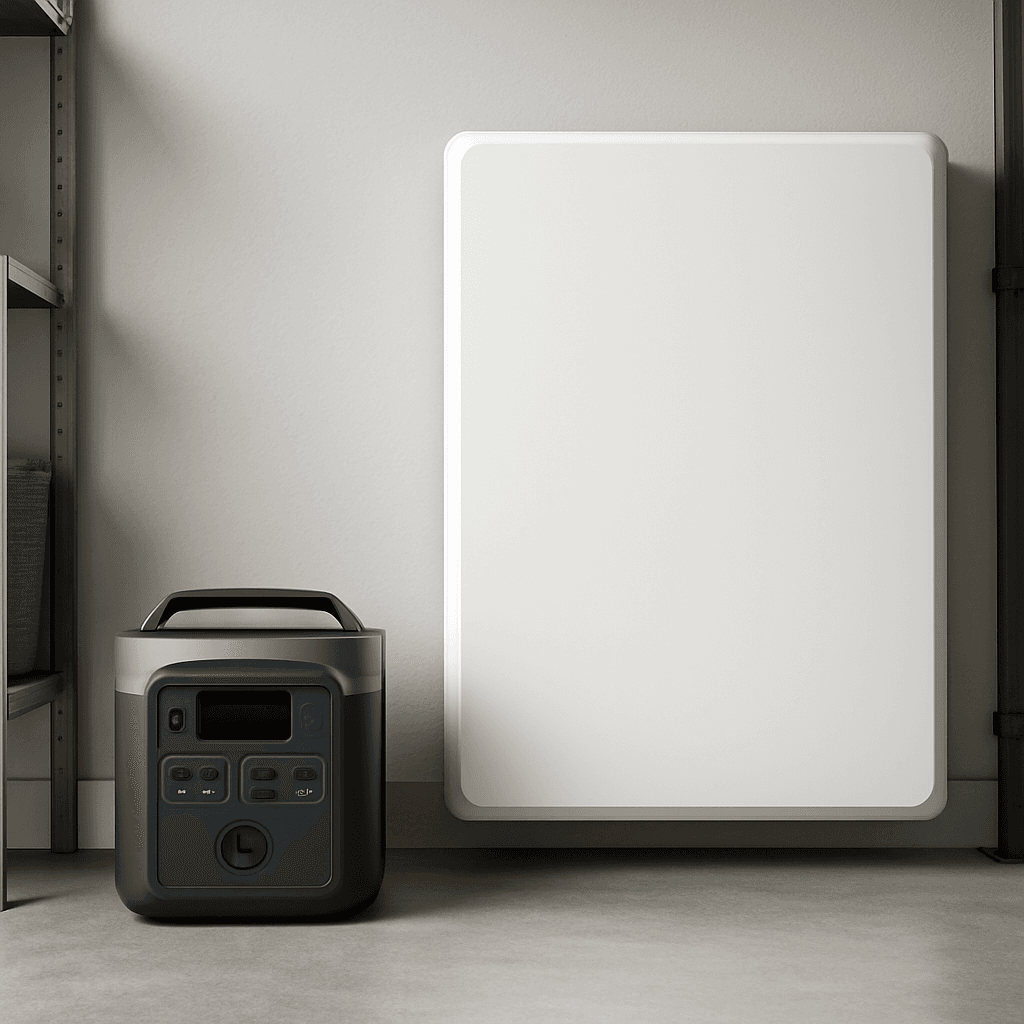
Portable Power Station vs. Whole-Home Battery System: Which Do You Actually Need?
A Tesla Powerwall costs $11,500-$16,000+ installed. A portable power station covers most of the same essentials for a fraction of that. Here's how to actually decide.
 Comparisons & Buying Guides
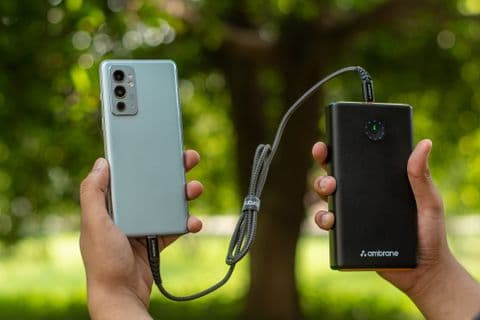
Power Bank vs. Power Station: What's the Real Difference?
They both store and dispense electricity, but a power bank and a power station aren't interchangeable. Here's what actually separates them and which one you need.
 Comparisons & Buying Guides
Can You Rent a Portable Power Station Instead of Buying One?
Renting is a real option if you only need backup power for a single trip or event. Here's where to actually rent one, real costs, and when renting beats buying.