
Can a Power Station Work as a UPS for Your Computer or Router?
Yes — most modern power stations offer a UPS/EPS mode that switches to battery power within 10–30 milliseconds of an outage, fast enough that routers and desktop computers rarely notice the gap, though it's slightly slower than a dedicated UPS. Losing internet or a running computer the instant the power drops is a real problem for remote work, home servers, and anything mid-task. Many power stations now advertise a "UPS mode" or "EPS mode" for exactly this — here's what it actually does and where it has real limits.
How UPS Mode Works
In UPS (uninterruptible power supply) mode, the power station sits between the wall outlet and your device, passing through AC power normally while keeping its battery topped up. The moment it detects the power drop, it switches to battery output automatically — typically within 10–30 milliseconds on units built for this, fast enough that most devices never notice the gap.
What It's Genuinely Good For
- Routers and modems — keeping your internet connection alive through brief outages or grid blips, especially valuable if you work from home.
- Desktop computers — avoiding an abrupt shutdown that can cause data loss or file corruption mid-task.
- Smart home hubs and security systems — keeping cameras and alarm systems online during a blackout.
- Combined with our home office blackout guide, UPS mode is what actually prevents the interruption in the first place, rather than just providing backup power after the fact.
Where It Falls Short of a Dedicated UPS
Purpose-built UPS units are designed and tested specifically for near-zero switchover time and extremely sensitive electronics. Power station UPS/EPS modes are a genuine convenience feature, but the switchover window is typically longer than what a dedicated UPS offers, and not every power station's UPS mode performs identically — some higher-end desktop setups or servers with strict tolerances may still notice a brief flicker or reboot. For truly mission-critical equipment, a dedicated UPS remains the safer choice.
What to Check Before Relying on It
- Confirm the unit actually has UPS/EPS mode — not every power station includes it, and it's sometimes a setting you need to enable manually rather than a default behavior.
- Check the manufacturer's stated switchover time — this varies by brand and model, and isn't always published clearly, so it's worth checking directly if your use case is sensitive.
- Test it before you need it — unplug the unit from wall power intentionally once during setup to confirm your specific devices handle the switch cleanly.
Frequently Asked Questions
Will my computer definitely not shut off if the power goes out?
For most desktops and routers, a power station's UPS mode prevents a hard shutdown during brief outages. It's not a 100% guarantee for every device — some highly sensitive equipment may still reboot — so test your specific setup rather than assuming.
Do I need a special power station model for UPS mode, or does every unit have it?
Not every power station includes UPS/EPS mode — check the specific model's spec sheet, since it's a distinct feature from basic pass-through charging and isn't universal across brands or price tiers.
Related Articles
 Use Cases
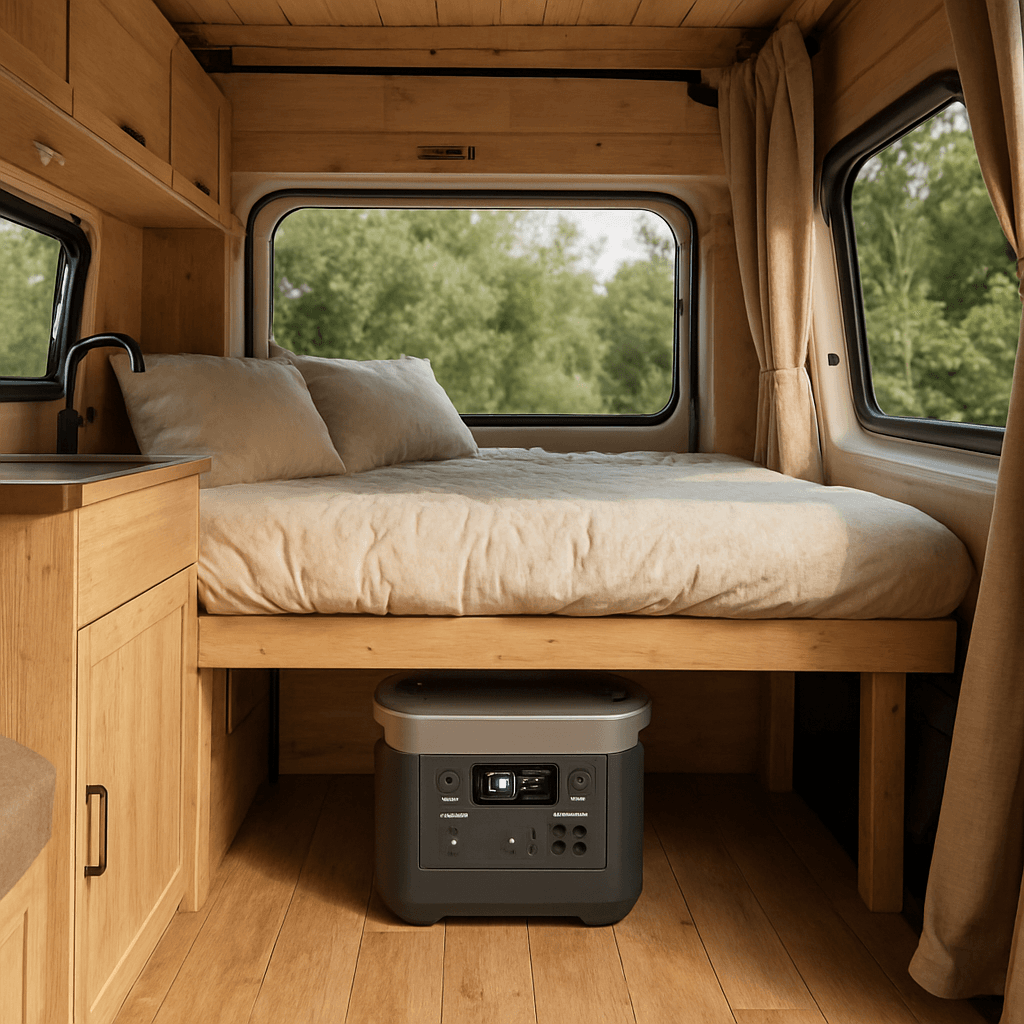
Portable Power Stations for Van Life: Complete Setup Guide
Everything you need to know to build a reliable power system for van life or full-time RV living, from sizing to solar to daily habits that make it last.
 Use Cases
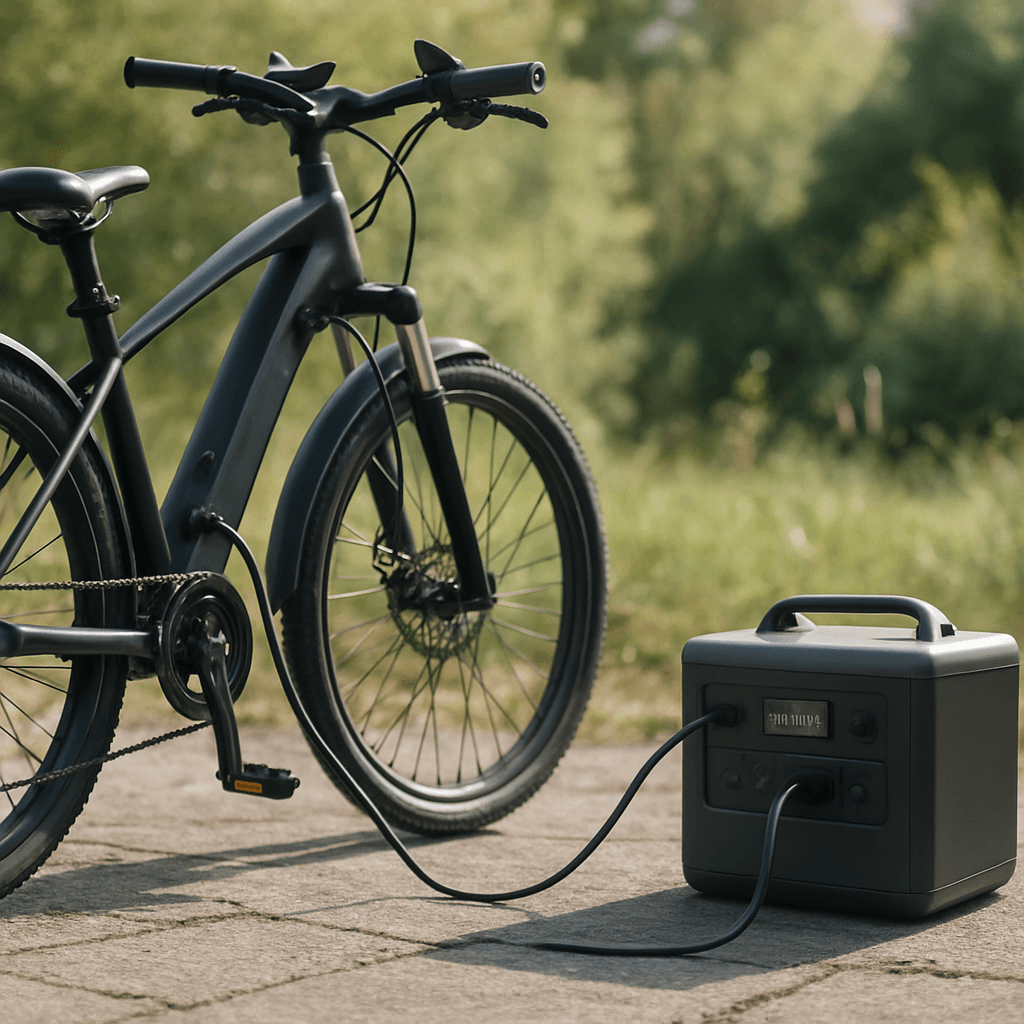
Using a Power Station to Charge an Electric Bike
E-bike charging away from home outlets is easier than you'd think with the right power station. Here's how to size one for your specific e-bike battery.
 Use Cases
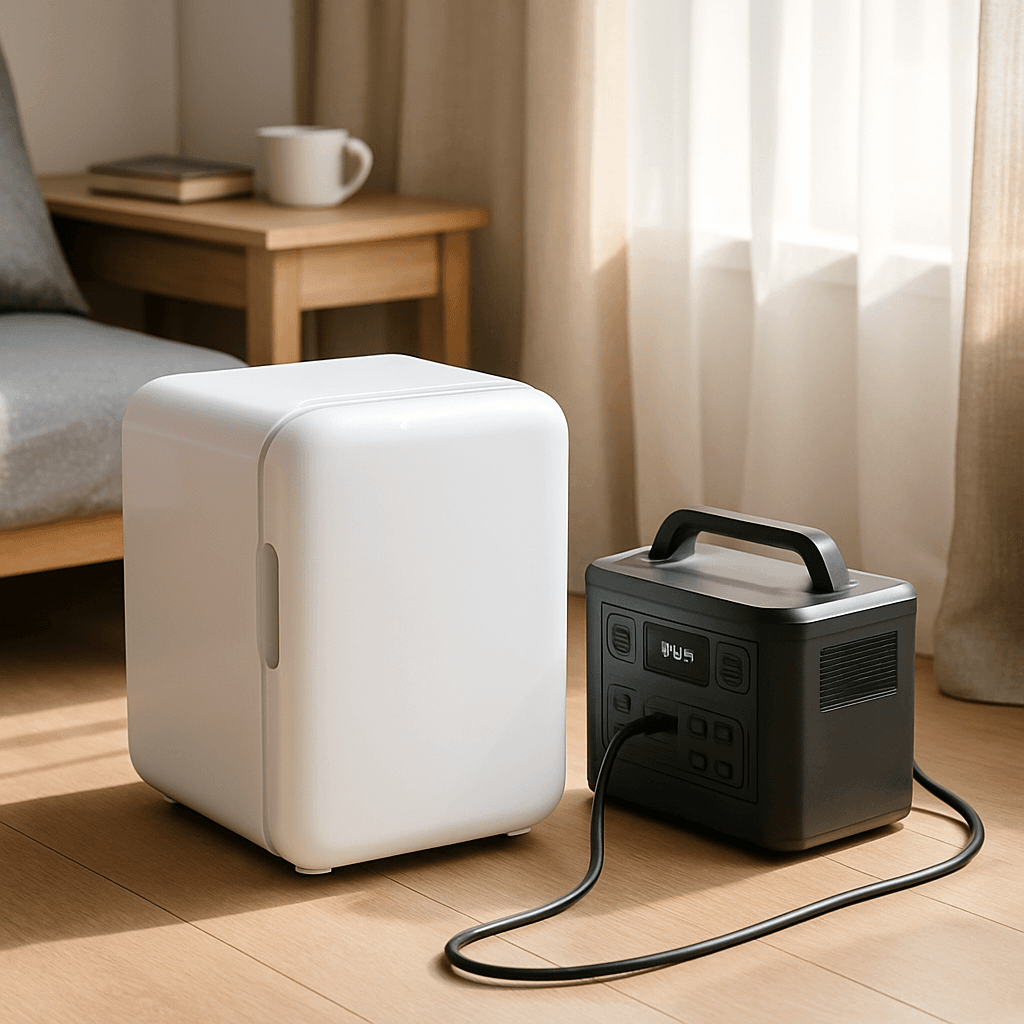
Running a Mini Fridge on a Portable Power Station: What You Need
Mini fridges cycle on and off rather than drawing power continuously. Here's how to correctly calculate runtime and pick the right power station size.