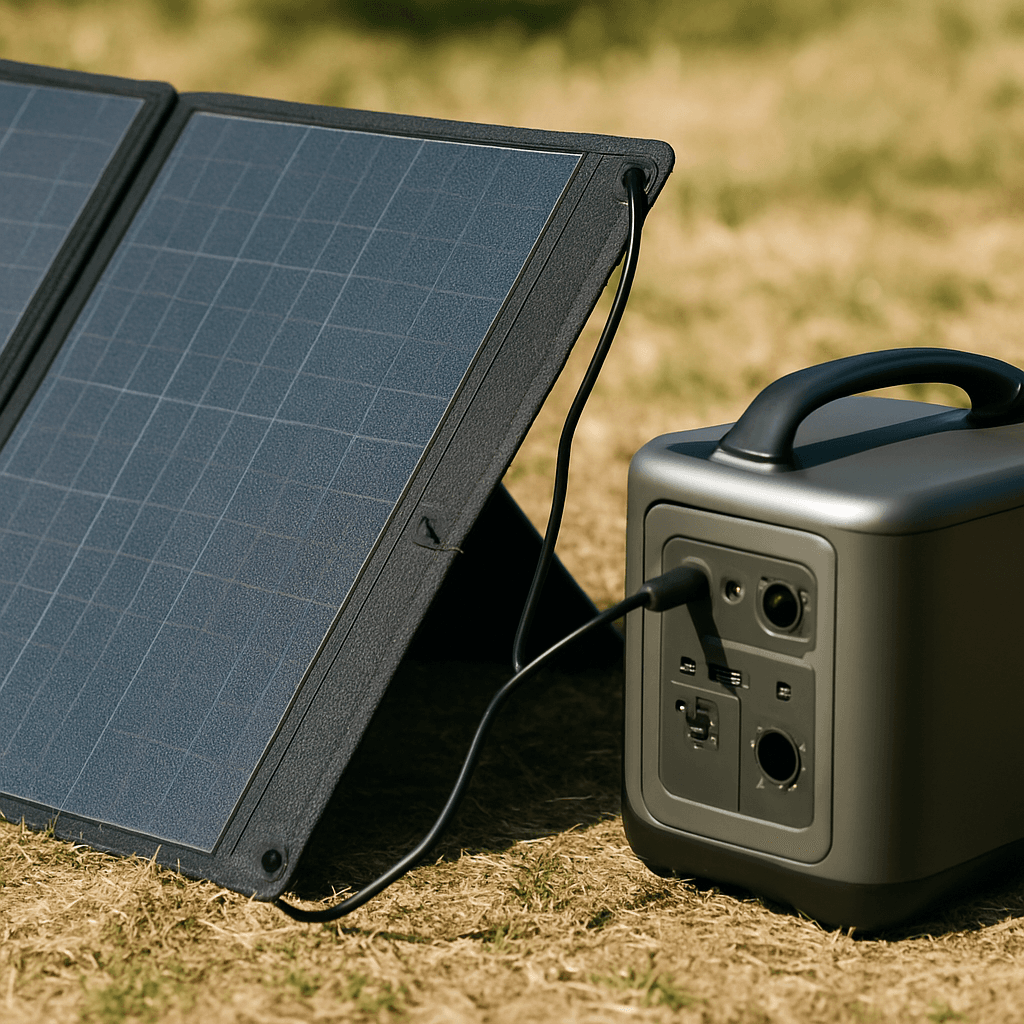
Best Solar Panels to Pair With Your Power Station
Pairing your power station with the right solar panel comes down to three things: matching wattage to your power station's max solar input, choosing the right form factor for your use case, and confirming connector compatibility.
Matching Wattage to Your Power Station
Check your power station's max solar input rating (found in its spec sheet), and choose a panel or panel array that gets reasonably close to that number without exceeding it — an undersized panel simply charges slower, while significantly oversizing wastes money on capacity your unit can't use. See our solar recharge time calculation guide for the exact formula.
Panel Types by Use Case
Foldable/portable panels (100-220W typical): Best for camping, van life, and anywhere you need to pack the panel away between uses. Lighter and more compact, at a slightly higher cost per watt than rigid panels.
Rigid panels (fixed mount): Best for semi-permanent setups — cabins, RVs with roof mounting, or a home backup system with a dedicated outdoor location. Generally more cost-effective per watt but not designed to be packed up and moved.
Multi-panel arrays: For larger power stations with high max solar input (600W+), combining multiple panels reaches higher wattages than a single panel typically offers — see our connecting multiple panels guide for wiring considerations.
Brand-Matched vs. Third-Party Panels
Sticking with your power station brand's own panel lineup (Jackery's SolarSaga, EcoFlow's panels, etc.) guarantees voltage and connector compatibility and is the simplest path for most buyers. Pairing panels with a permanently installed battery system? See our tax credit and rebate guide — solar-paired storage has a more established path to incentives than standalone batteries. Third-party panels can work with the right adapter, but verify voltage and connector compatibility carefully before buying — see our power station and solar panel bundle guide for bundled options that remove the guesswork.
What Affects Real-World Solar Charging Speed
- Panel angle relative to the sun — direct perpendicular exposure charges significantly faster than a flat or poorly-angled panel
- Cloud cover — even light cloud cover meaningfully reduces output compared to full sun
- Panel cleanliness — dust or debris on the panel surface reduces efficiency; wipe clean periodically
- Ambient temperature — extreme heat can slightly reduce panel efficiency, counterintuitively
Frequently Asked Questions
Can I use any solar panel with any power station?
Not directly — voltage and connector type need to be compatible, or you'll need an adapter. Sticking with your power station brand's own panels, or verified third-party options, avoids compatibility headaches.
Is a higher-wattage panel always better?
Only up to your power station's max solar input rating — beyond that point, additional panel wattage doesn't translate to faster charging, since the power station's charging circuitry caps the input regardless of how much the panel could theoretically deliver.
Related Articles
 Solar & Technical Guides
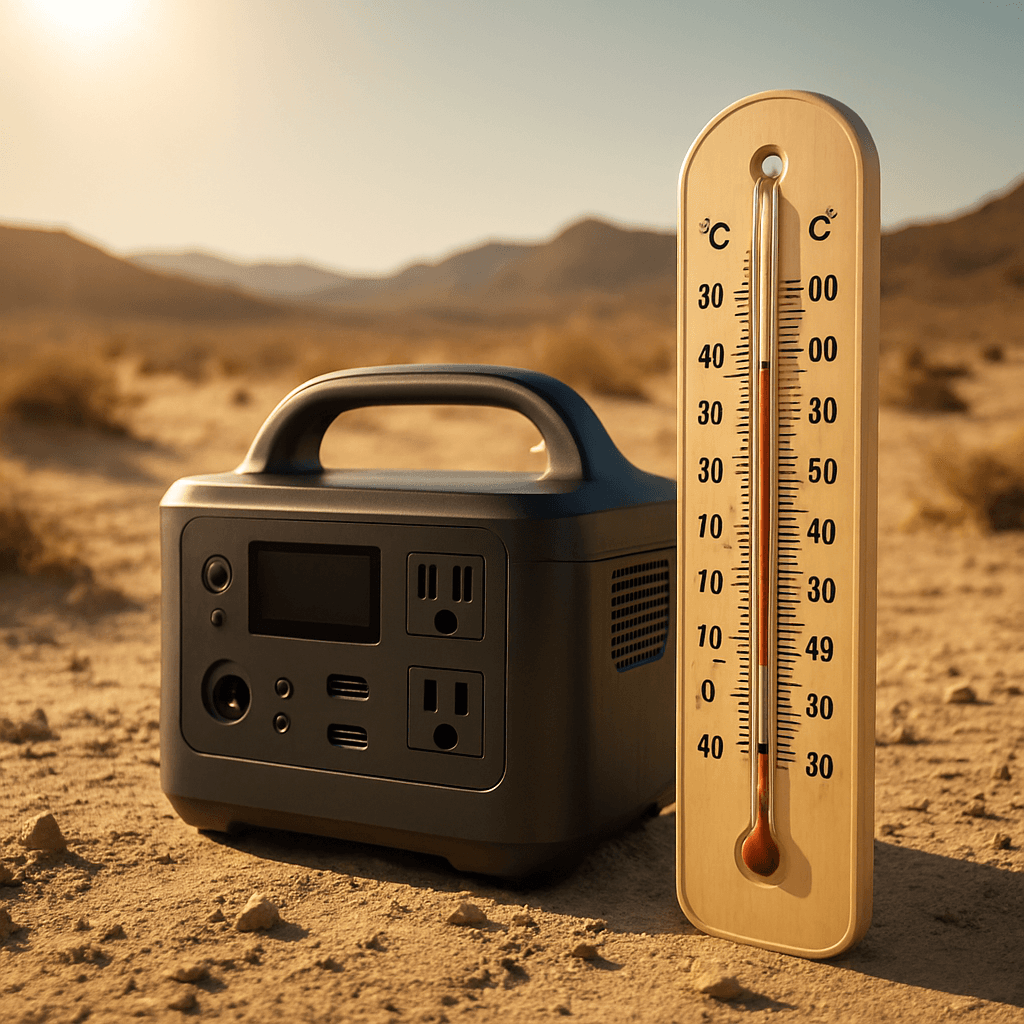
How Extreme Heat Affects Your Power Station (And What Desert Climates Need to Know)
Sustained heat above 113°F can cut a power station's usable lifespan roughly in half. Here's the real degradation math and what to actually do about it in hot climates.
 Solar & Technical Guides
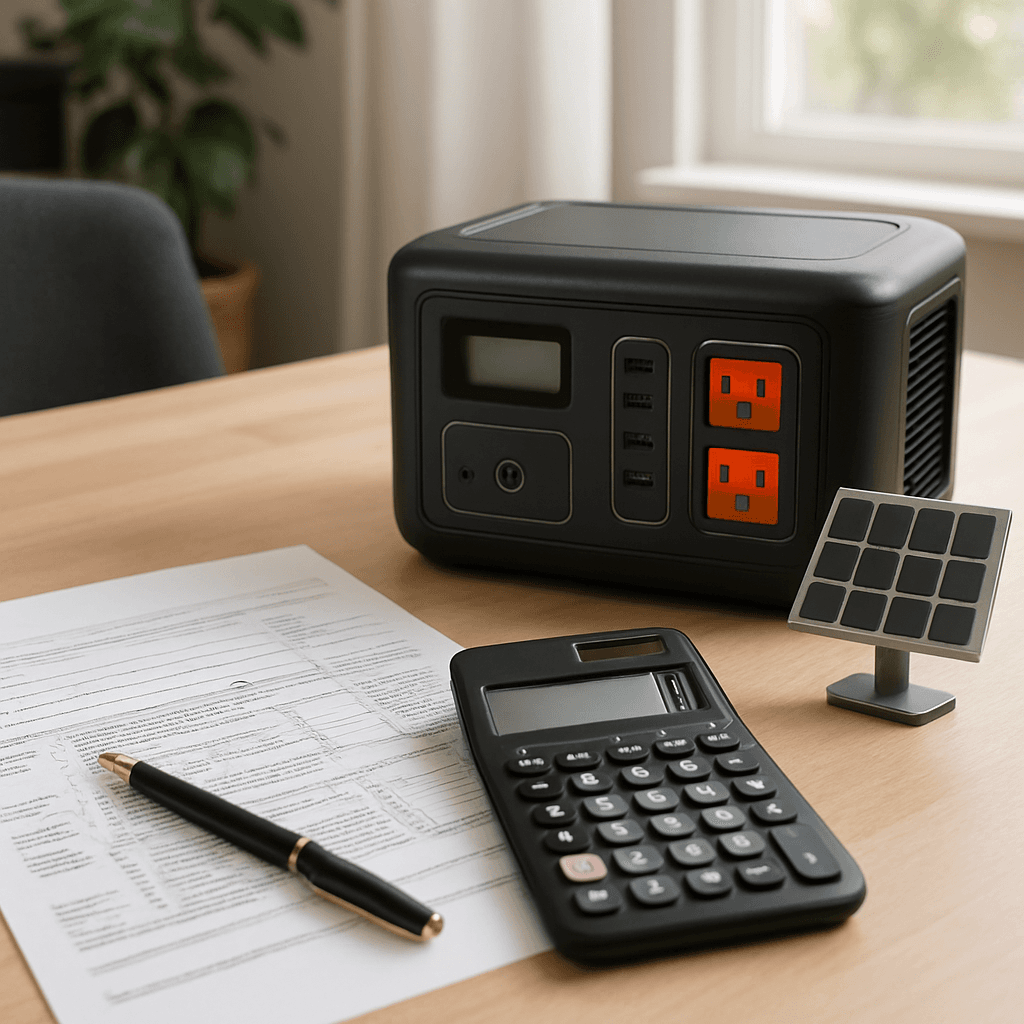
Do Portable Power Stations Qualify for Tax Credits or Rebates?
Most portable power stations don't qualify for the federal battery tax credit — here's why, which setups actually might, and where state and utility rebates can still help.
 Solar & Technical Guides
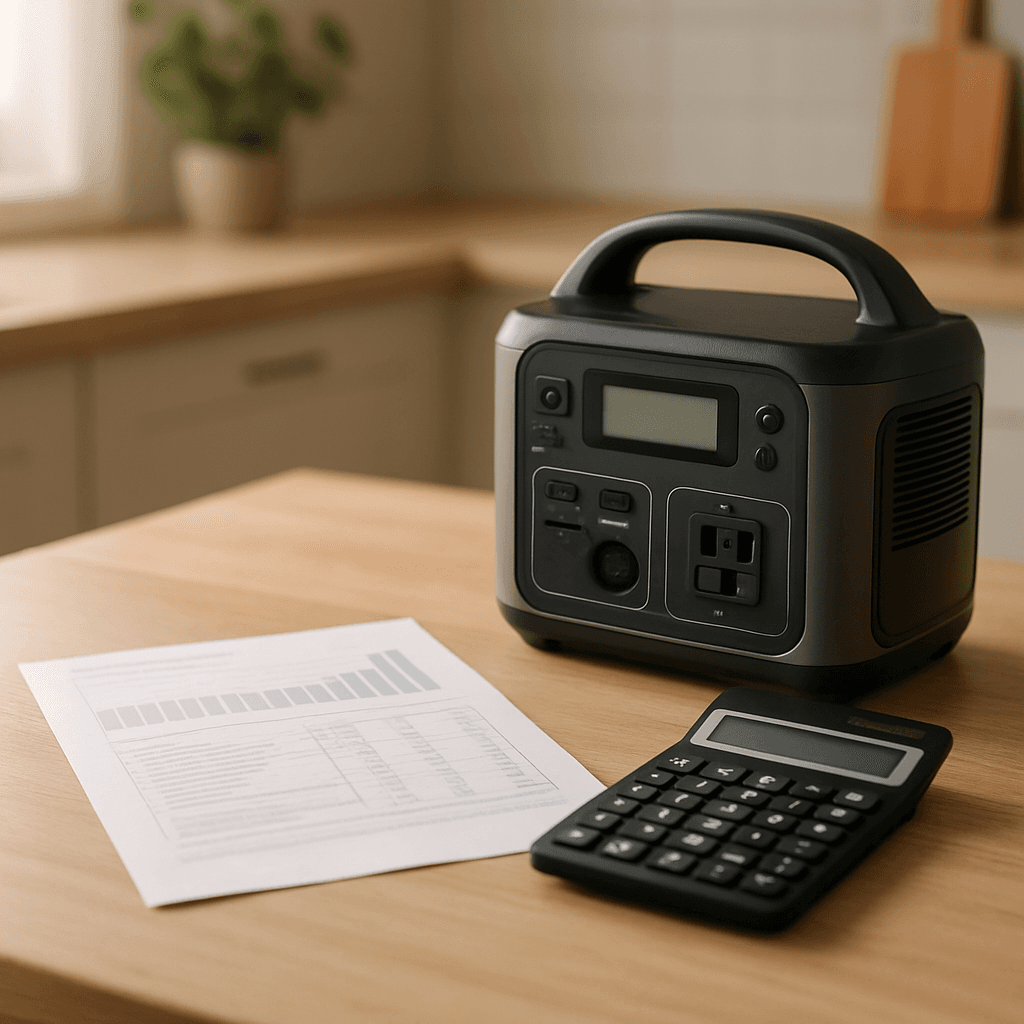
How Much Does It Actually Cost to Run a Power Station vs. Grid Electricity?
A power station doesn't generate cheaper electricity — it stores grid or solar power for later. Here's the honest math on what that actually costs you per kWh.