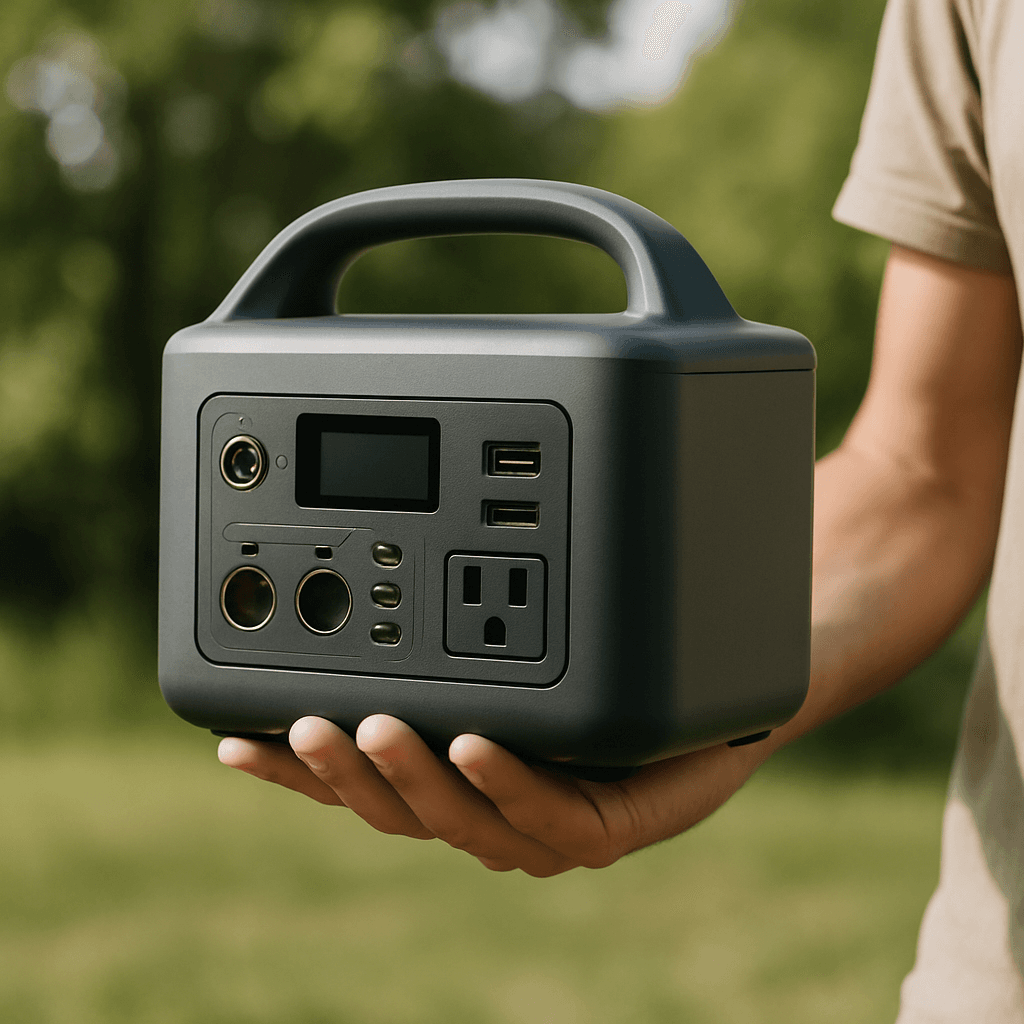
Jackery Explorer 300 Plus Review: Best Mini Power Station?
Update for 2026: the Jackery Explorer 300 Plus has been discontinued and is no longer sold new through Jackery or major retailers. We're keeping this page up because it still ranks for people researching the model secondhand, but if you're shopping today, skip to our recommended alternatives below.
What the Explorer 300 Plus Offered
| Spec | Value |
|---|---|
| Capacity | 288Wh |
| Continuous AC Output | 300W (600W peak) |
| Battery Chemistry | LiFePO4 |
| Weight | ~7.5 lbs |
| AC Recharge Time | ~2 hours (0–100%) |
For its time, the Explorer 300 Plus was a genuinely compact mini power station — small enough for a backpack, with enough capacity for phones, a laptop, and small electronics over a weekend. Its 300W continuous output ruled out anything power-hungry, but that was never the point of a unit this size.
Why It's Discontinued
Jackery has shifted its entry-level lineup toward newer models with faster charging and marginally higher capacity at similar price points, which is typical in this market — as we cover in our power station lifespan and update cycle guide, manufacturers in this space refresh their lineups every 12–18 months. If you find a genuinely new (not used) unit at a steep discount, the hardware itself is still sound LiFePO4 technology — but you won't get a manufacturer warranty on old stock in most cases, so verify before buying.
What to Buy Instead
If you liked the size class the Explorer 300 Plus occupied, two current options cover the same niche well:
- EcoFlow River 3 — similar ultra-portable footprint at 245Wh, with faster charging (full charge in about an hour vs. roughly two) and a lower typical street price.
- Bluetti AC70 — a step up in capacity (768Wh) if you want more headroom for a mini fridge or multiple devices while staying under $500.
Both are current-production units with active manufacturer warranties and support. See our full budget power station roundup for more options across every price point.
How the Category Has Moved Since the 300 Plus
Mini power stations under 300Wh have gotten meaningfully better on two fronts since the Explorer 300 Plus's era: charging speed and price. Where a roughly two-hour full recharge was standard for this size class, current entry-level units routinely charge in about an hour, and street prices for comparable capacity have generally trended down as the underlying LiFePO4 cell costs have fallen. If you're specifically drawn to this size class for its portability, the practical experience of owning one is genuinely better today than it was when the 300 Plus launched — faster top-offs mean less planning around when you'll next have outlet access.
If You Already Own One
For existing Explorer 300 Plus owners, there's no need to replace a unit that's still working normally — LiFePO4 batteries in this size class are typically rated for 3,000+ cycles, and light, occasional use (its most common use case) means most owners are nowhere near end-of-life. Keep following standard maintenance practices (avoid full-empty storage, keep it out of extreme heat) to get the most years out of it, and only consider replacing it when it stops meeting your actual power needs, not simply because a newer model exists.
Frequently Asked Questions
Is it safe to buy a used Jackery Explorer 300 Plus?
The LiFePO4 battery chemistry is inherently safe and long-lasting, but a used unit won't carry a manufacturer warranty, and you can't verify cycle count or storage history from a listing alone. If the price isn't significantly below a comparable new unit like the EcoFlow River 3, buying new is usually the better value.
What replaced the Explorer 300 Plus in Jackery's lineup?
Jackery's current entry-level lineup has shifted toward its newer Explorer series; check Jackery's official site for the current model list, since exact naming changes with each product refresh.
Related Articles
 Power Station Reviews
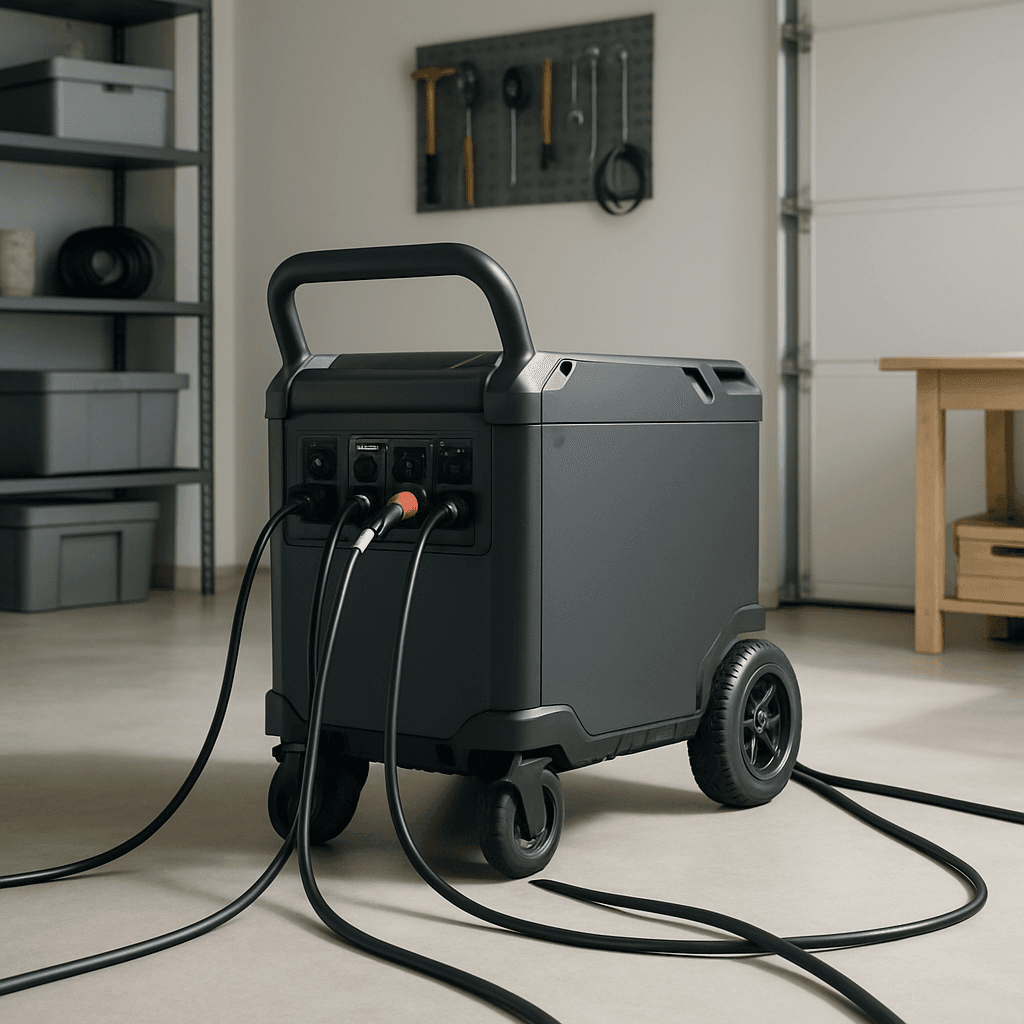
EcoFlow Delta Pro 3 Review: EcoFlow's New Flagship Tested
4,096Wh, 4,000W continuous output, and a starting price that's already dropped from $3,699 to $1,999. Here's the full breakdown of EcoFlow's new flagship power station.
 Power Station Reviews
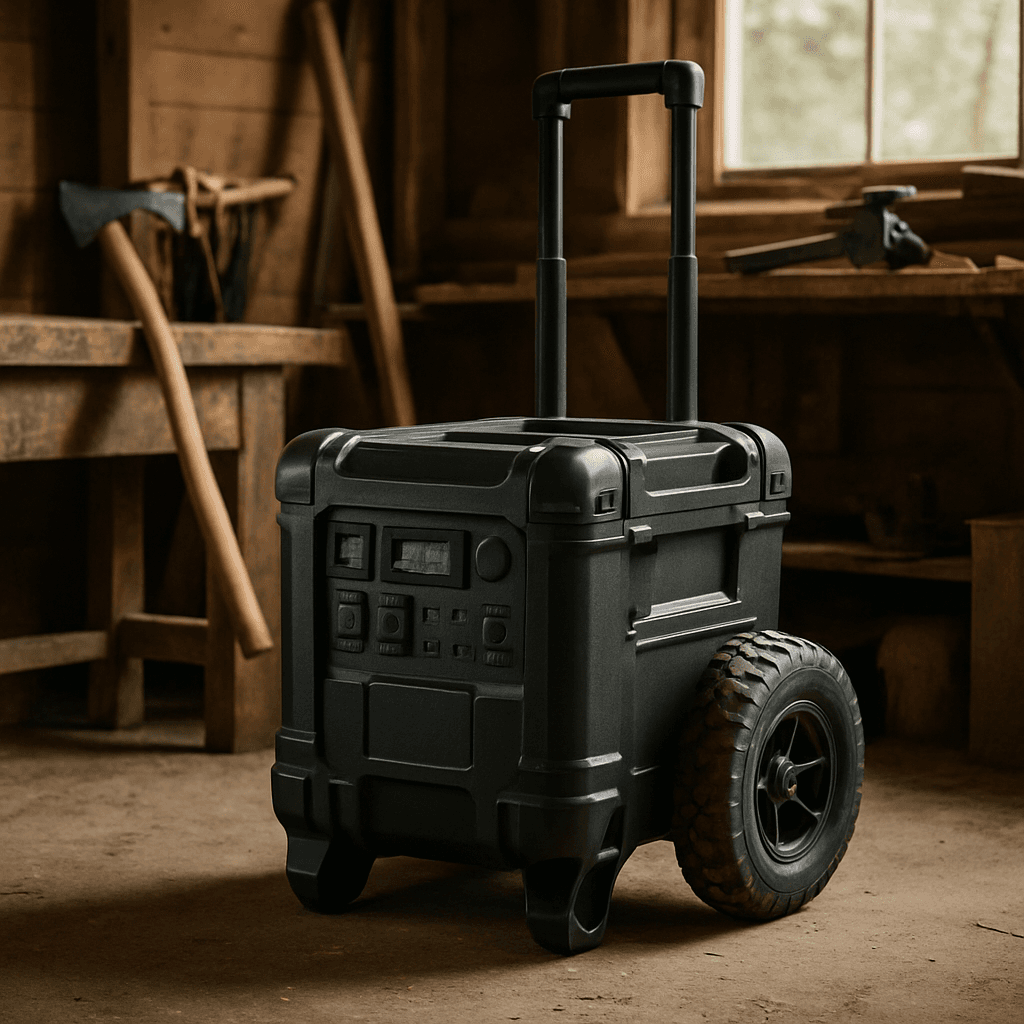
Renogy Lycan 5000 Review: Off-Grid Power Tested
The Renogy Lycan 5000 pairs a wheeled, rugged design with expandable capacity for serious off-grid use. Full specs, real-world runtime, and who it's for.
 Power Station Reviews
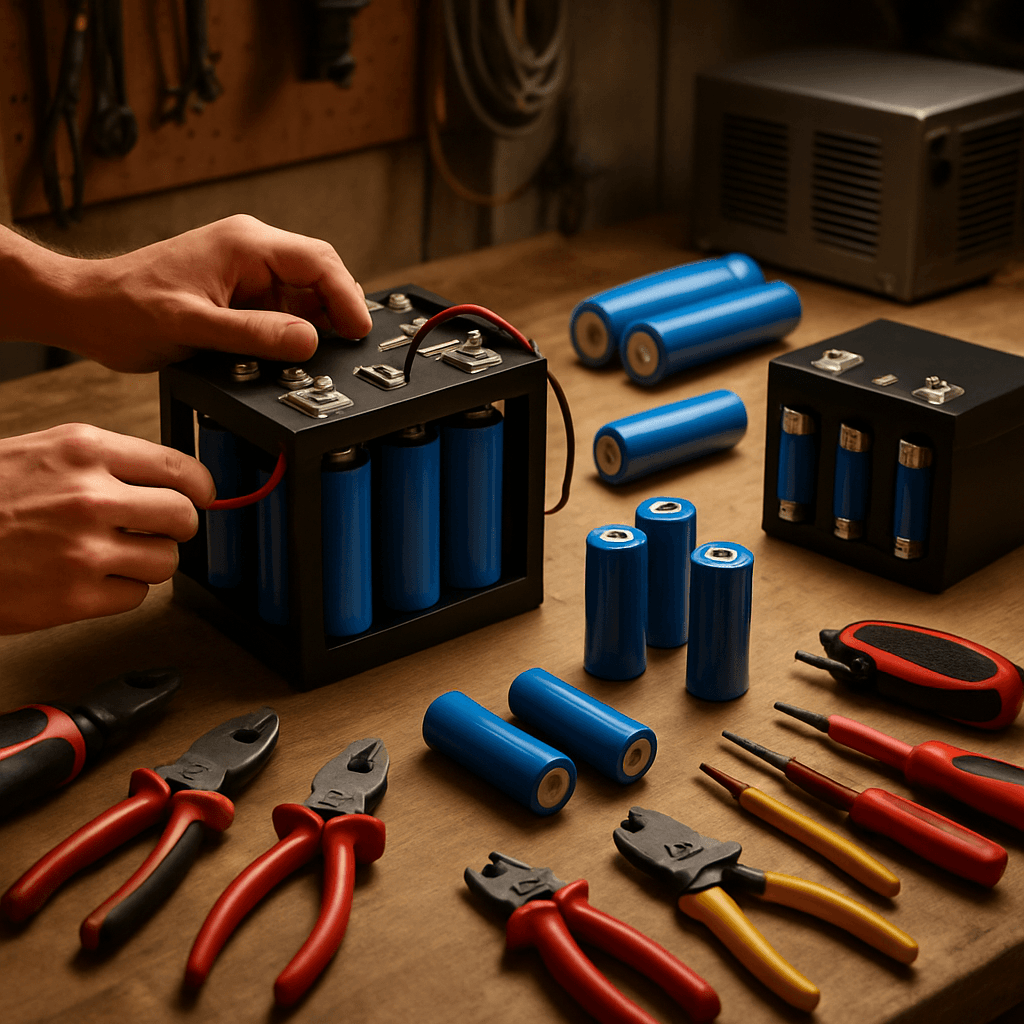
Point Zero Energy Titan Review: DIY Solar Generator
The Point Zero Energy Titan is built for modular, DIY-friendly expansion. Full specs, real-world runtime, and who this off-grid-focused power station is for.