If this is your first portable power station, the sheer number of specs and models can feel overwhelming. Here's a simplified framework and a shortlist that covers the vast majority of first-time buyer needs without requiring an engineering degree to decide.
The Only Two Numbers That Matter at First
You really only need to understand two things starting out:
- Watt-hours (Wh) = how much total energy it stores (the "tank size")
- Watts (W) = how fast it can deliver power (the "pipe size")
Our beginner-friendly watt-hours vs. watts guide breaks this down further, but for a first purchase, matching these two numbers to a rough use case is enough to get a good result.
Beginner-Friendly Picks by Use Case
"I just want backup for my phone, laptop, and some lights": EcoFlow River 3 — 245Wh, under $250, simple to use, fast to recharge.
"I want to cover a short power outage at home without overthinking it": Jackery Explorer 1000 v2 — 1,070Wh, handles a mini fridge, CPAP, and device charging together, widely reviewed and easy to find support for.
"I want real home backup and I'm willing to spend more": EcoFlow Delta 2 Max — 2,048Wh, fast charging, and room to expand later if your needs grow.
What Beginners Should NOT Worry About Yet
- Solar panel compatibility — unless you already know you want solar charging, don't let this drive your first purchase decision. AC (wall outlet) charging works fine to start.
- Expandable battery ecosystems — a nice-to-have for later, not a first-purchase requirement.
- Marginal differences in surge wattage — for a first purchase, continuous output and total capacity matter far more than peak/surge numbers.
A Simple Beginner Buying Checklist
- Confirm it uses LiFePO4 battery chemistry (nearly all current mainstream models do — verify if in doubt)
- Pick a capacity based on your top 2-3 use cases, not every hypothetical scenario
- Check that the continuous output covers your biggest single device (a mini fridge needs roughly 100-150W continuous; see our running a mini fridge guide)
- Buy from a brand with an active US warranty and support — Jackery, EcoFlow, Bluetti, and Anker are all safe choices for a first purchase. See our warranty comparison for what each brand actually covers.
When to Upgrade From Your First Unit
Most first-time buyers realize they need more capacity within the first year of ownership, once they've used the unit through a real outage or trip and know their actual needs better. That's normal — buying a smaller unit first to learn your usage patterns, then upgrading, is a completely reasonable strategy rather than overbuying upfront.
Frequently Asked Questions
What's the single best "no research needed" first power station?
For most first-time buyers, the Jackery Explorer 1000 v2 hits the best balance of capacity, portability, and price for a genuinely useful all-around first unit.
Do I need to read the full watt-hours vs. watts explanation before buying?
It helps, but it's not required — matching one of the use-case picks above to your situation is enough for a solid first purchase. You can learn the deeper technical details later.
Related Articles
 Deals & Best Of
Best Power Stations With Fast Charging (Under 1 Hour)
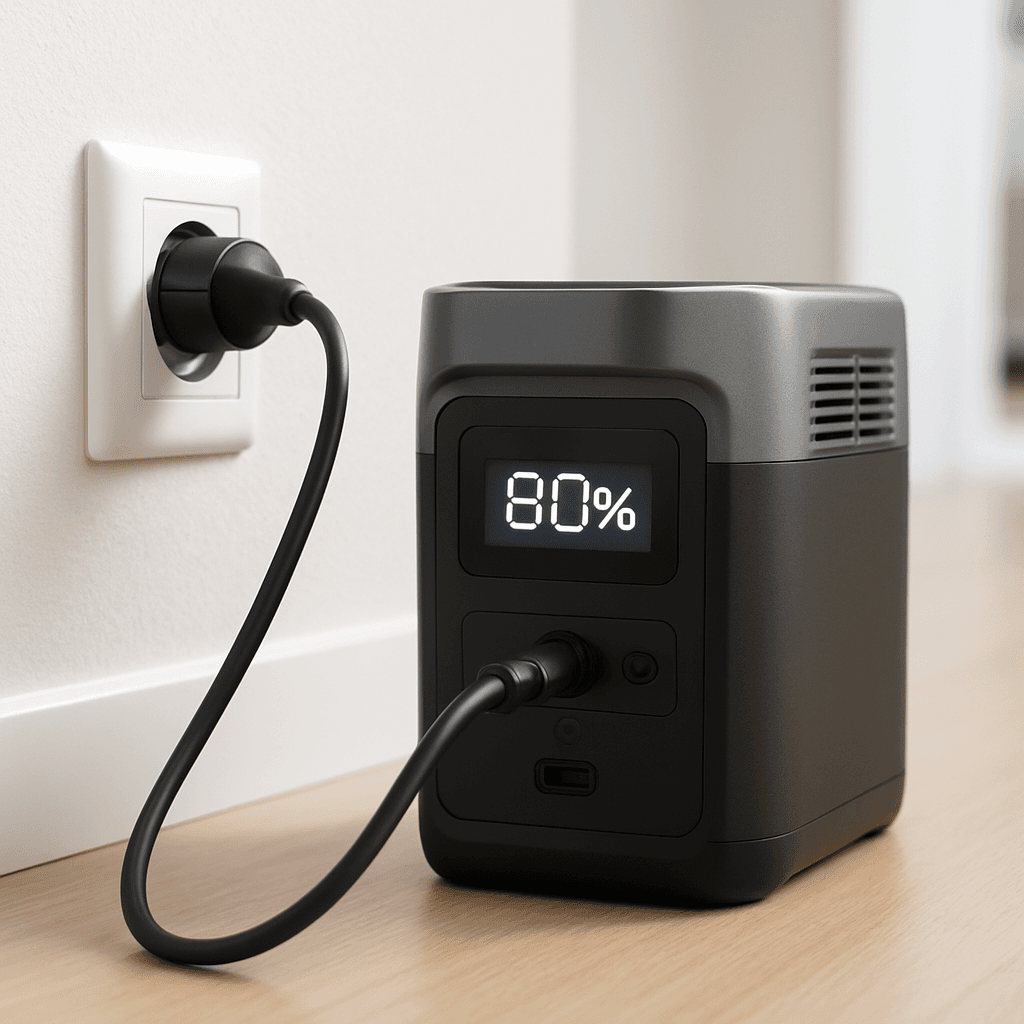
For buyers who need to recharge quickly between uses or outages, here are the power stations that genuinely hit sub-1-hour charging, tested and compared.
 Deals & Best Of
Best Power Station and Solar Panel Bundles
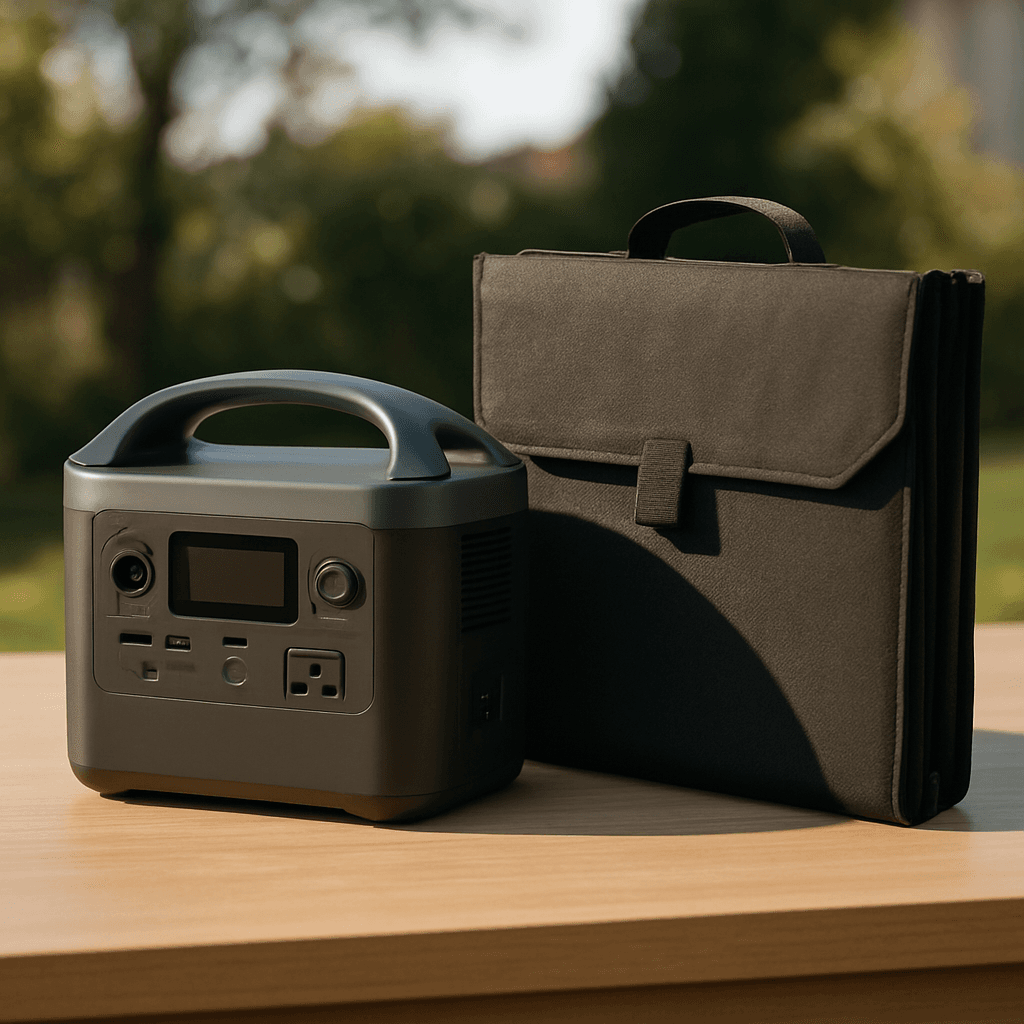
Buying a power station and solar panel together as a bundle is usually cheaper than buying separately. Here's how to pick the right bundle for your needs.
 Deals & Best Of
Best Power Station Deals This Black Friday
Black Friday and Cyber Monday are the best time of year to buy a portable power station. Here's how to shop the sales smart and what discounts to expect.